














How does protein affect your weight?
When you think protein, you think muscle. Increasing your protein intake may help support muscle development in the right conditions. But could it also make you fat? The answer to that is also yes, in the right conditions. And the reason for that can be summed up in one word - calories.
Calories in vs Calories out
This is the very basic equation of weight loss and weight gain. Although there are more things to consider, such as metabolic adaptation and macro nutrients, the simple fact remains that to lose weight you need to expend more calories than you are taking in. And the opposite is true of gaining weight. In order to gain weight you need to provide your body with excess food to store - either in the form of muscle or fat.
Excess calories can lead to weight gain
Will protein powder make me fat? If you are adding several protein shakes into your diet and have found the scales going up - then your protein habit COULD be the culprit! When adding protein shakes to your diet, it is best to adjust your calories elsewhere to avoid weight gain.
Just tell me straight - is my protein powder making me fat?
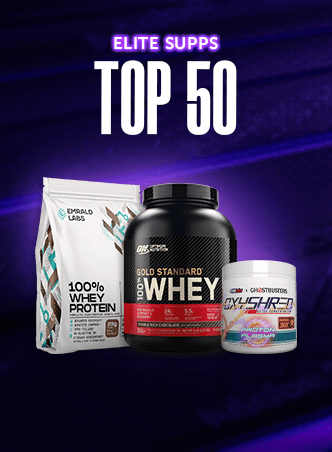
Sorry, but that depends on what the rest of your diet is like. Protein powder on its own is unlikely to make you fat. Let's put it simply. You would have to drink 10 serves of Emrald Labs 100% Whey to consume 1200 calories, and this is the minimum intake for a small woman just to stay alive! Therefore, it is not whey shakes that are making you fat - it is FOOD. In fact, consuming protein in the form of whey based shakes may help support weight management as part of a calorie-controlled diet. Whaaaat??

Does protein powder help with fat loss?
Drinking protein shakes may help support weight management as part of a calorie-controlled diet. This works in several ways. Firstly, consuming protein may support your metabolism, due to the energy it takes your body to digest it. Secondly, consuming lean protein in the form of a whey shake may help support lean muscle mass as part of a balanced diet and exercise program. Supporting muscle mass may contribute to general health and wellbeing.
A study from 2004 also showed that a 2004 study suggested that participants on a higher-protein diet may have experienced greater changes in body composition than those on a lower-protein diet. Protein shakes are a convenient way to increase your daily protein intake, and when combined with a calorie-controlled diet, may help support your weight management goals.
Which protein powder is best for weight loss?
The best protein powders for weight loss have two things in common - high protein content and low calorie content. This will get you the most bang for your buck protein wise, but there are other things to consider. A very highly concentrated protein isolate will have the highest protein content, but will not fill you up for very long. This is due to the fact that they are very rapidly absorbed. A casein protein is the opposite. Per gram it has a lower protein content, but takes the body 4 to 6 hours to digest, which is great for keeping you full between meals. The main point is though, increasing your protein intake may help support weight management as part of a balanced diet, so adding a quality protein powder to your routine is worth considering.
Can too much protein powder make you fat?
Protein powder will not cause you to gain weight unless you are exceeding your daily calorie needs. That goes for any food. You could subsist on a diet of M and M's and not get fat, as long as you were eating the correct amount of calories. We aren't sure if that's a life worth living, but it is possible.
To break it down further, let's look at exactly how many protein shakes you would need to gain weight, for an average sized male and female. The average male in Australia is about 85kg and the average female weighs about 70kg. Let's assume that these imaginary average people are completely sedentary. That is, they do no physical activity at all.
The man would need to consume about 2100 calories to maintain his weight. On average a scoop of protein powder is about 120 calories. Our imaginary man would need to consume 17.5 protein shakes just to maintain his weight, yet alone increase it. Our woman would need to consume roughly 1700 calories to maintain her weight. That makes about 14 protein shakes for her before she starts packing on the pounds.
The point we are trying to make is - protein shakes alone are unlikely to make you gain weight. What a relief!
How do I know how much protein I need?
There are a few things to consider when working out your protein intake. Firstly, what are your goals? Secondly is your current weight and level of activity. Head over to our handy guide to protein and weight loss for an extensive rundown. The short answer though is a minimum 0.8 grams per kg of bodyweight and 2.2 grams per kg if you are trying to gain muscle.
So in summary, if you have suspected your protein shake of the cardinal sin of making you fat - chances are it's not. Your best bet is to take a look at your diet and make sure that your beloved protein shakes aren't putting you into a calorie surplus.