

Protect Your Orderi
from Loss, Damage Or Stolen A$2.09
(scroll down to see all)



Shop mass gainer protein at Elite Supps. If you struggle to eat enough to grow, a mass gainer makes it easy - high in calories, protein and carbohydrate to fuel muscle growth, recovery and strength in one convenient shake. It is the simplest way to hit a calorie surplus without eating around the clock. Every member of our team is a certified nutritionist, so you can choose with confidence.
Mass gainers suit "hard gainers" - people with fast metabolisms or small appetites who find it hard to gain weight, as well as athletes burning huge amounts of energy. If you are gaining steadily on whole foods, a regular protein may be all you need; a gainer is for when extra calories are the bottleneck.
Building muscle requires a calorie surplus - taking in more energy than you burn (1, 4) - alongside enough protein and resistance training to steer that surplus toward muscle rather than fat (11). Protein supplementation supports gains in muscle mass and strength (2, 3), and multi-ingredient formulas like gainers, which pair protein with carbohydrate, can be an effective way to add quality size (5).
Have a serve between meals or after training to add calories without a big meal. Gainers range from moderate (mix with water or milk for flexibility) to high-calorie formulas providing over 1,000 calories per serve - match the calories to your goal and appetite. They work best alongside meals and resistance training, not as a replacement for food.
Compare whey protein, browse creatine for strength, or see our top 10 protein powders. Our certified nutritionists can help. References for the research cited above are listed below.
A high-calorie protein powder with added carbohydrate, designed to make hitting a calorie surplus easier for building muscle and gaining weight.
Whey tops up protein; a mass gainer adds significant calories and carbs. Choose a gainer if eating enough to grow is your main challenge.
Between meals or after training to add calories without a full meal. Match the serving size to your calorie goal and appetite.
It adds calories, so pair it with resistance training and a sensible surplus to gain muscle rather than excess fat. Adjust the serve to your needs.
Right here at Elite Supplements. Our certified nutritionists can help. Shop online or visit any of our 140+ stores.
Mass gainer and whey protein powders are both easy ways to increase your protein intake, but there are some key differences.
Whey protein powders typically contain a high proportion of protein (up to 95% by weight) with a small amount of carbohydrates and fats. This means most whey protein powders are relatively low calorie and are a great way to add extra protein to your diet and build muscle while still staying lean.
Mass gainers, on the other hand, have similar amounts of protein as normal but are higher in fats, carbohydrates, and calories. They're ideal for anyone looking for an easy way to increase their calorie intake, reach their daily macronutrient goals of carbs, fats, and proteins, and put on weight. (5)
Males and females have different calorie and protein needs, but biological gender is just one factor that affects your daily macronutrient requirements. (6, 7, 8).
There are a few things you should consider when choosing a protein powder for weight gain, such as your fitness goals, calorie needs, and dietary restrictions. If you're a female looking to build muscle or increase your protein intake, check out our selection of protein powder for women.
If you stop taking mass gainers, you may lose some of the muscle and weight that you've gained, this will also depend on if you continue or stop training as well. This is because mass gainers provide an easy way to consume extra calories, and when you're not taking them, it's more difficult to reach your calorie goals. (9, 10).
If you're new to using mass gainers, we recommend trying one with a moderate calorie content (around 500-700 calories per serving). This will help you gradually increase your calorie intake and avoid any uncomfortable digestive issues.
Once you've been using mass gainers for a while, you can experiment with different formulas to find one that works.
You can also check out our list of the top 10 protein powders we sell, all of which are a great choice for beginners.
The best time to take mass gainer will depend on your fitness goals and daily routine.
If you're looking to build muscle, you may want to take mass gainer immediately after your workout. This will help you to refuel your muscles and promote recovery. (11).
For those with a busy lifestyle who tend to skip meals, you may want to take mass gainer first thing in the morning to ensure you have enough energy for the day. Or, you can just have a shake at any time during the day when you don't have time to eat a full meal.
If you're looking to gain weight quickly, you may want to consider using a mass gainer protein powder. Mass gainers are high in calories and nutrients, making it easier for you to reach a calorie surplus.
You can also try eating more frequently throughout the day or adding healthy fats and carbs to your meals to increase your calorie intake.
There is no scientific evidence to suggest that using mass gainers will cause acne. However, if you find that you're breaking out after drinking a whey mass gainer shake, it may be because you're sensitive to milk proteins. (12).
If you're experiencing issues with your skin after you start taking a mass gainer powder, try switching to a different brand or a lactose-free vegan or plant-based protein powder. For any issues or concerns you have ensure you consult a healthcare or nutrition professional.
As mass gainers are high in calories and contain a more balanced mixture of macronutrients than protein powders, they can be used as a meal replacement. (13).
To make your mass gainer shake more nutritious, you can add other ingredients such as nut butters, avocado, fruits, and oats.
However, it's important to note that mass gainers are not designed to be a complete meal and do not contain all the vitamins and minerals you need for good health. If you're looking for a complete meal replacement, we recommend checking out our selection of meal replacement shakes.
The type of protein in mass gainers can vary depending on the brand and product. However, most mass gainer powders contain a blend of whey and casein protein, as well as carbohydrates, fats, vitamins, and minerals.
Some of the other protein powder supplements you might consider to help you reach your nutrition and fitness goals include:
1. Howell, S., & Kones, R. (2017). "Calories in, calories out" and macronutrient intake: the hope, hype, and science of calories. American journal of physiology. Endocrinology and metabolism, 313(5), E608–E612. https://doi.org/10.1152/ajpendo.00156.2017
2. Pasiakos, S. M., McLellan, T. M., & Lieberman, H. R. (2015). The effects of protein supplements on muscle mass, strength, and aerobic and anaerobic power in healthy adults: a systematic review. Sports medicine (Auckland, N.Z.), 45(1), 111–131. https://doi.org/10.1007/s40279-014-0242-2
3. Mertz, K. H., Reitelseder, S., Bechshoeft, R., Bulow, J., Højfeldt, G., Jensen, M., Schacht, S. R., Lind, M. V., Rasmussen, M. A., Mikkelsen, U. R., Tetens, I., Engelsen, S. B., Nielsen, D. S., Jespersen, A. P., & Holm, L. (2021). The effect of daily protein supplementation, with or without resistance training for 1 year, on muscle size, strength, and function in healthy older adults: A randomized controlled trial. The American journal of clinical nutrition, 113(4), 790–800. https://doi.org/10.1093/ajcn/nqaa372
4. Horton, T. J., Drougas, H., Brachey, A., Reed, G. W., Peters, J. C., & Hill, J. O. (1995). Fat and carbohydrate overfeeding in humans: different effects on energy storage. The American journal of clinical nutrition, 62(1), 19–29. https://doi.org/10.1093/ajcn/62.1.19
5. Naclerio, F., & Larumbe-Zabala, E. (2016). Effects of Whey Protein Alone or as Part of a Multi-ingredient Formulation on Strength, Fat-Free Mass, or Lean Body Mass in Resistance-Trained Individuals: A Meta-analysis. Sports medicine (Auckland, N.Z.), 46(1), 125–137. https://doi.org/10.1007/s40279-015-0403-y
6. Bennett, E., Peters, S., & Woodward, M. (2018). Sex differences in macronutrient intake and adherence to dietary recommendations: findings from the UK Biobank. BMJ open, 8(4), e020017. https://doi.org/10.1136/bmjopen-2017-020017
7. Lemon P. W. (2000). Beyond the zone: protein needs of active individuals. Journal of the American College of Nutrition, 19(5 Suppl), 513S–521S. https://doi.org/10.1080/07315724.2000.10718974
8. Bergia, R. E., 3rd, Hudson, J. L., & Campbell, W. W. (2018). Effect of whey protein supplementation on body composition changes in women: a systematic review and meta-analysis. Nutrition reviews, 76(7), 539–551. https://doi.org/10.1093/nutrit/nuy017
9. Cava, E., Yeat, N. C., & Mittendorfer, B. (2017). Preserving Healthy Muscle during Weight Loss. Advances in nutrition (Bethesda, Md.), 8(3), 511–519. https://doi.org/10.3945/an.116.014506
10. Chappell, A. J., Simper, T., & Barker, M. E. (2018). Nutritional strategies of high level natural bodybuilders during competition preparation. Journal of the International Society of Sports Nutrition, 15, 4. https://doi.org/10.1186/s12970-018-0209-z
11. Jäger, R., Kerksick, C. M., Campbell, B. I., Cribb, P. J., Wells, S. D., Skwiat, T. M., Purpura, M., Ziegenfuss, T. N., Ferrando, A. A., Arent, S. M., Smith-Ryan, A. E., Stout, J. R., Arciero, P. J., Ormsbee, M. J., Taylor, L. W., Wilborn, C. D., Kalman, D. S., Kreider, R. B., Willoughby, D. S., Hoffman, J. R., … Antonio, J. (2017). International Society of Sports Nutrition Position Stand: protein and exercise. Journal of the International Society of Sports Nutrition, 14, 20. https://doi.org/10.1186/s12970-017-0177-8
12. Silverberg N. B. (2012). Whey protein precipitating moderate to severe acne flares in 5 teenaged athletes. Cutis, 90(2), 70–72.
13. Röhling, M., Stensitzky, A., Oliveira, C., Beck, A., Braumann, K. M., Halle, M., Führer-Sakel, D., Kempf, K., McCarthy, D., Predel, H. G., Schenkenberger, I., Toplak, H., & Berg, A. (2021). Effects of a Protein-Rich, Low-Glycaemic Meal Replacement on Changes in Dietary Intake and Body Weight Following a Weight-Management Intervention-The ACOORH Trial. Nutrients, 13(2), 376. https://doi.org/10.3390/nu13020376
Funnel
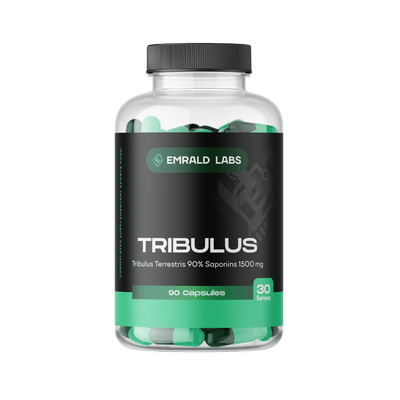
Tribulus
Smelling Salts - Low Strength
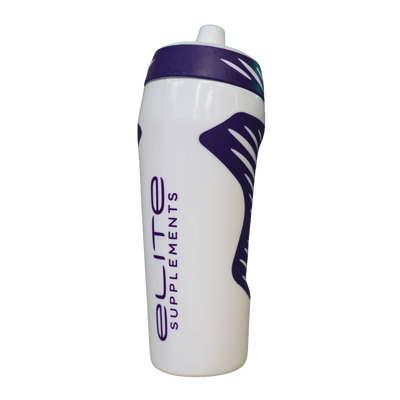
Sports Water Bottle
Wrist Lanyard
Don't stress! If something happens to your parcel we'll cover the costs!