

Protect Your Orderi
from Loss, Damage Or Stolen A$2.09
(scroll down to see all)



Shop protein powder at Elite Supps. Protein is the foundation of building and recovering muscle, and a good powder is the easiest, most cost-effective way to hit your daily target. With one of Australia's biggest ranges - whey, isolate, concentrate, casein, vegan and mass gainer - there is a protein here for every goal, diet and budget. Every member of our team is a certified nutritionist, so you can choose with confidence.
Resistance training creates tiny tears in your muscle fibres; protein provides the amino acids your body uses to repair them stronger. This process - muscle protein synthesis - is switched on by training and amplified when you eat protein afterward (7, 11). The amino acid leucine plays a key triggering role (10), which is why higher-quality, leucine-rich proteins like whey are so effective. Studies consistently show that pairing a quality protein with resistance training improves strength and lean body composition over time (9, 13).
The main difference between protein types is how fast they digest. Whey is fast-absorbing - amino acids hit your bloodstream quickly, making it ideal around training (7, 11). Casein digests slowly, feeding muscles over several hours, which suits overnight recovery and longer gaps between meals (3, 12). Hydrolysed whey is pre-digested for the fastest absorption and has been shown to support faster recovery of muscle force after hard sessions (8). Many people use whey around workouts and casein before bed - and a blend of the two gives you both.
Protein is the most filling of the three macronutrients. Whey in particular has been shown to increase satiety and reduce appetite compared with carbohydrate, casein or soy (1, 2, 4), and a higher-protein intake can support fat loss and better body composition while preserving muscle in a calorie-controlled diet (12, 14, 15). That is why a lean protein shake is such a useful tool when you are cutting - it helps you stay full and hit your protein target on fewer calories.
Whey is often called the gold standard for muscle building, but modern plant proteins have closed the gap. A blend of pea and rice protein delivers an amino acid response comparable to whey (16), and pea protein has been shown to build muscle thickness during resistance training on par with whey (20). Pea is also linked to good digestion and healthy blood pressure (18, 19), while hemp offers a wholefood profile with fibre and omega fats (17). If you are dairy-free, vegan, or simply find whey heavy, a quality plant blend is a genuinely effective choice - browse our full vegan and plant-based range.
A common evidence-based guide for active people is around 1.6 to 2.2 grams of protein per kilo of body weight a day, with higher total intake supporting better body composition alongside training (14). Most people get some from food and top up the rest with one or two shakes of 20 to 25 grams each. Protein powder is a convenient supplement to a balanced diet, not a replacement for whole foods.
Start with your goal. Building muscle on a budget? A whey blend or concentrate. Cutting or watching carbs? A lean whey isolate. Plant-based or dairy-free? A vegan blend. Struggling to gain weight? A mass gainer. Then check the protein per serve (aim for 20-25g), the sugar, and any dietary needs - and pick a flavour you will actually enjoy, because consistency is what gets results. If you are unsure, our certified nutritionists can match one to your goal in-store or online.
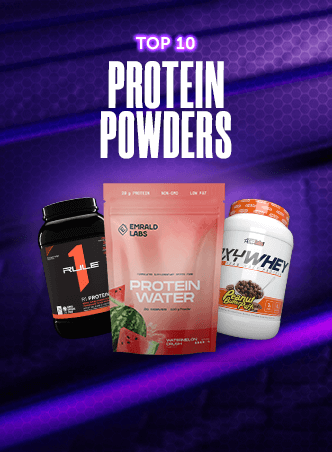
Not sure where to start? See our top 10 protein powders, or browse protein bars and ready-to-drink protein. Our certified nutritionists can help. References for the research cited above are listed below.
It depends on your goal. Whey is the most popular all-rounder and a gold standard for muscle building thanks to its fast absorption and high leucine content (7, 11); a lean whey isolate suits cutting; casein is best overnight; and modern vegan blends build muscle comparably to whey (20). See our dietitian-reviewed top 10 for standouts in each.
A common evidence-based guide for active people is around 1.6 to 2.2 grams of protein per kilo of body weight a day, with higher total intake supporting better body composition alongside training (14). Most people use one or two scoops of 20-25g a day to top up what they get from food.
Muscle protein synthesis is heightened after resistance training, so a fast-absorbing whey around your workout is a popular choice (7, 11). That said, total daily protein matters most - any time you need to top up works, including a slow-release casein before bed for overnight recovery.
Both build muscle effectively. Whey is fast-absorbing and excellent value; a quality plant blend (such as pea and rice) delivers a comparable amino acid response and muscle-building result (16, 20), and suits dairy-free and plant-based diets. Choose by your diet, digestion and taste.
Right here at Elite Supplements, with one of the country's biggest ranges of whey, isolate, casein, vegan and mass gainer. Our certified nutritionists can help you choose. Shop online for fast delivery and same-day dispatch, or visit any of our 140+ stores nationwide.
The range of protein powder in Australia has grown to include many new options for those looking for alternatives to regular whey protein in recent years. This range has been developed to suit allergies such as dairy or lactose intolerance, for dietary choices such as veganism, or even simply those prone to stomach cramps. Our collection of non-dairy protein powders includes:
As with many plant-based products in the market, finding the right balance of protein sources is vitally important to successful protein supplementation. Though whey protein is considered to be the optimal protein powder when it comes to supporting muscle protein synthesis, a comparative study using plant-based, and a combination of pea and rice protein powder, produced results in relation to important amino acids, similar to those seen as a result of using whey protein (16).
With the recent rise in popularity and legalisation of hemp-based food products taking place in Australia in 2017, hemp protein is a relatively new introduction to the Australian market. A recent study in Canada shows that hemp food products such as protein powder offer full amino acid profiles which are beneficial in adjusting body composition. Hemp protein is derived from the Sativa strain of cannabis, which has shown remarkable effects on an extensive range of health and wellness issues around the world (17).
As is the case with many protein supplements on the market, pea-based protein is useful in much more than just losing weight or gaining muscle. Recent studies have shown that the use of pea protein powder can have positive health benefits in many areas including gastric digestion and lowering blood pressure. When compared with the success of whey protein in building muscle thickness in combination with resistance training, it has been concluded that pea protein is a perfectly viable substitute for whey protein with minimal differences recorded in the results achieved (18, 19, 20).
Rice protein powder is known to contain many beneficial amino acids. We offer a full range of rice-based protein options, including brown rice protein, which is proven to contain high levels of cysteine, known to enhance lung health and promote detoxification in the body, in addition to boosting energy levels for workouts. As an easily digestible plant-based product, rice protein powder is favoured by many who struggle with flavour and allergies.
Though one of the largest selling points of vegan protein supplementation is that it contains no animal products, many choose to use our vegan options as a solution to allergies they have experienced with other protein powders on the market. Studies have shown that vegan protein supplements work in similar ways to their whey and casein counterparts and effectively build muscle and reduce fat stores in the body.
With a range of lactose, dairy, keto-friendly, and cruelty-free supplements available from Elite Supps you can take care of all your protein supplementation needs, knowing that you are providing the best for your body. It's important to research a protein powder that's suitable for your diet and sensitive stomach. Bear in mind, protein powder is usually not recommended for pregnant or breastfeeding women.
Protein rich foods should always be the first choice. However the difference between using a protein supplement and foods is generally the amount of protein you will absorb from certain foods, the total calories you consume in a meal and how easy it is to measure your protein intake. When we eat protein as part of a meal there are other nutrients involved which may impact our absorption rate and generally speaking absorption is faster with a protein powder supplement. Many people prefer to get their daily protein requirements from supplements as they can easily measure their intake and monitor the number of calories consumed at the same time. For those who prefer to gain their daily protein intake from foods, we have a range of protein bars, bites, cookies, and chips available to use intermittently during the day to gain a more consistent protein intake or a slow-release protein option for those who are wanting to use their protein supplements to stem their appetite.
Depending on your fitness goals, some protein supplements may be more preferable than others. Many people choose their preferred protein powder by flavour. Our selection of protein powder online comes in a wide range of flavours to enhance the taste which are perfect for your pre or post-workout shakes. Our selection of flavours include:
Finding the right taste and effectiveness for you is often a system of trial and error, which is why we offer trial packs of protein powder online for you to try before committing to buying a larger amount.
You can find the nutritional content of protein supplements on the back of their packaging or tub.
At Elite Supps, we try our best to provide our customers with full transparency on our products' nutritional content and ingredients. As a result, we add the ingredients and nutritional content of our protein powders under the 'nutritional information' tab on all of our product pages. Alternatively, you can contact our customer service team for more nutritional details on a specific protein powder you're after.
1. Chungchunlam, S. M., et al (2014). Effect of whey protein and glycomacropeptide on measures of satiety in normal-weight adult women. Appetite, 78, 172–178.
https://doi.org/10.1016/j.appet.2014.03.027
2. Veldhorst, M. A., et al (2009). Dose-dependent satiating effect of whey relative to casein or soy. Physiology & behavior, 96(4-5), 675–682.
https://doi.org/10.1016/j.physbeh.2009.01.004
3. Bendtsen, L. Q., et al (2014). Effects of hydrolysed casein, intact casein and intact whey protein on energy expenditure and appetite regulation: a randomised, controlled, cross-over study. The British journal of nutrition, 112(8), 1412–1422.
https://doi.org/10.1017/S000711451400213X
4. Pal, S., & Ellis, V. (2010). The acute effects of four protein meals on insulin, glucose, appetite and energy intake in lean men. The British journal of nutrition, 104(8), 1241–1248.
https://doi.org/10.1017/S0007114510001911
5. Pal, S., Ellis, V., & Ho, S. (2010). Acute effects of whey protein isolate on cardiovascular risk factors in overweight, post-menopausal women. Atherosclerosis, 212(1), 339–344.
https://doi.org/10.1016/j.atherosclerosis.2010.05.032
6. Sheikholeslami Vatani, D., & Ahmadi Kani Golzar, F. (2012). Changes in antioxidant status and cardiovascular risk factors of overweight young men after six weeks supplementation of whey protein isolate and resistance training. Appetite, 59(3), 673–678.
https://doi.org/10.1016/j.appet.2012.08.005
7. Tipton, K. D., Elliott, T. A., Cree, M. G., Wolf, S. E., Sanford, A. P., & Wolfe, R. R. (2004). Ingestion of casein and whey proteins result in muscle anabolism after resistance exercise. Medicine and science in sports and exercise, 36(12), 2073–2081.
8. Buckley, J. D., et al (2010). Supplementation with a whey protein hydrolysate enhances recovery of muscle force-generating capacity following eccentric exercise. Journal of science and medicine in sport, 13(1), 178–181.
https://doi.org/10.1016/j.jsams.2008.06.007
9. Cribb, P. J., Williams, A. D., Carey, M. F., & Hayes, A. (2006). The effect of whey isolate and resistance training on strength, body composition, and plasma glutamine. International journal of sport nutrition and exercise metabolism, 16(5), 494–509.
https://doi.org/10.1123/ijsnem.16.5.494
10. Kimball, S. R., & Jefferson, L. S. (2006). Signaling pathways and molecular mechanisms through which branched-chain amino acids mediate translational control of protein synthesis. The Journal of nutrition, 136(1 Suppl), 227S–31S.
https://doi.org/10.1093/jn/136.1.227S
11. Tang, J. E., et al (2009). Ingestion of whey hydrolysate, casein, or soy protein isolate: effects on mixed muscle protein synthesis at rest and following resistance exercise in young men. Journal of applied physiology (Bethesda, Md. : 1985), 107(3), 987–992.
https://doi.org/10.1152/japplphysiol.00076.2009
12. Pal, S., Radavelli-Bagatini, S., Hagger, M., & Ellis, V. (2014). Comparative effects of whey and casein proteins on satiety in overweight and obese individuals: a randomized controlled trial. European journal of clinical nutrition, 68(9), 980–986.
https://doi.org/10.1038/ejcn.2014.84
13. Sharp, M., et al (2015). The effects of beef protein isolate and whey protein isolate supplementation on lean mass and strength in resistance trained individuals - a double blind, placebo controlled study. Journal of the International Society of Sports Nutrition, 12(Suppl 1), P11.
https://doi.org/10.1186/1550-2783-12-S1-P11
14. Campbell, W. W., Kim, J. E., Amankwaah, A. F., Gordon, S. L., & Weinheimer-Haus, E. M. (2015). Higher Total Protein Intake and Change in Total Protein Intake Affect Body Composition but Not Metabolic Syndrome Indexes in Middle-Aged Overweight and Obese Adults Who Perform Resistance and Aerobic Exercise for 36 Weeks. The Journal of nutrition, 145(9), 2076–2083.
https://doi.org/10.3945/jn.115.213595
15. Baer, D. J., et al (2011). Whey protein but not soy protein supplementation alters body weight and composition in free-living overweight and obese adults. The Journal of nutrition, 141(8), 1489–1494.
https://doi.org/10.3945/jn.111.139840
16. Minevich, J., et al (2015). Digestive enzymes reduce quality differences between plant and animal proteins: a double-blind crossover study. Journal of the International Society of Sports Nutrition, 12(Suppl 1), P26.
https://doi.org/10.1186/1550-2783-12-S1-P26
17. House, J. D., Neufeld, J., & Leson, G. (2010). Evaluating the quality of protein from hemp seed (Cannabis sativa L.) products through the use of the protein digestibility-corrected amino acid score method. Journal of agricultural and food chemistry, 58(22), 11801–11807.
https://doi.org/10.1021/jf102636b
18. Overduin, J., Guérin-Deremaux, L., Wils, D., & Lambers, T. T. (2015). NUTRALYS(®) pea protein: characterization of in vitro gastric digestion and in vivo gastrointestinal peptide responses relevant to satiety. Food & nutrition research, 59, 25622.
https://doi.org/10.3402/fnr.v59.25622
19. Li, H., et al (2011). Blood pressure lowering effect of a pea protein hydrolysate in hypertensive rats and humans. Journal of agricultural and food chemistry, 59(18), 9854–9860.
https://doi.org/10.1021/jf201911p
20. Babault, N., et al (2015). Pea protein oral supplementation promotes muscle thickness gains during resistance training: a double-blind, randomized, Placebo-controlled clinical trial vs. Whey protein. Journal of the International Society of Sports Nutrition, 12(1), 3.
https://doi.org/10.1186/s12970-014-0064-5
Funnel
Tribulus
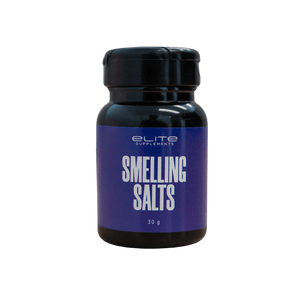
Smelling Salts - Low Strength
Sports Water Bottle
Wrist Lanyard
Don't stress! If something happens to your parcel we'll cover the costs!