

Protect Your Orderi
from Loss, Damage Or Stolen A$2.09
(scroll down to see all)



Shop whey protein concentrate at Elite Supps. WPC is the original, best-value whey - around 80% protein with a balanced amount of fats and carbs, and a creamy taste many people prefer. It is a brilliant all-rounder for building muscle, supporting recovery and topping up your protein without stretching the budget. Every member of our team is a certified nutritionist, so you can choose with confidence.
Concentrate is around 80% protein and keeps a little more of the natural fats and carbs (and beneficial milk compounds), at a lower price. Isolate is filtered further to around 90% protein with less fat, carbs and lactose, at a higher price. For everyday muscle-building on a budget, WPC is hard to beat; for cutting or lactose sensitivity, choose WPI. Meta-analyses find concentrate, isolate and hydrolysate deliver similar body-composition results, so the more affordable concentrate is a smart pick for most people (7).
Whey concentrate delivers the full spectrum of whey's amino acids to support muscle protein synthesis and recovery after resistance training (2, 9). A higher-protein intake also supports satiety and appetite control when you are managing your weight (5), and active people generally need more protein than sedentary people to support their training (10).
WPC suits anyone wanting an effective, affordable daily protein - from beginners to seasoned lifters - who does not need the extra-lean profile of isolate. It also bakes and blends well into smoothies.
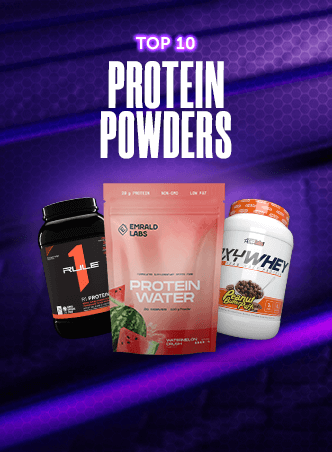
Compare whey isolate and whey blends, or see our top 10 protein powders. Our certified nutritionists can help. References for the research cited above are listed below.
A whey protein that is around 80% protein with some natural fats and carbs - the original, best-value form of whey, with a creamy taste.
Concentrate is better value and balanced; isolate is leaner and lower in carbs and lactose. Both build muscle - choose by budget and dietary needs.
Yes - it is a complete, high-quality protein that supports muscle growth and recovery alongside training, at a friendly price.
It contains more lactose than isolate. If you are lactose sensitive, a WPI or lactose-free protein may suit you better.
Right here at Elite Supplements. Our certified nutritionists can help. Shop online or visit any of our 140+ stores.
Whey protein is made from milk and is very safe to consume. It's fine to drink it every day as long as you're eating a balanced diet as well.
The recommended amount of protein you should consume each day depends on your age, gender, and activity level. The Australian government recommends that adult males consume 0.84g per kilogram of body weight and adult females consume 0.75g per kilogram of body weight.
If you're pregnant or breastfeeding, you may need more protein. Athletes and people who exercise regularly also often require more protein than sedentary individuals. (10)
To get the most out of WPC, consume it alongside regular exercise and a balanced diet. If you're looking to build muscle, take whey protein before and after your workouts. And if you're trying to lose weight, drink a shake for breakfast or as a snack between meals. You can also add whey powder to pancakes, muffins, and other recipes to increase your daily protein intake.
You can drink a whey protein concentrate shake at any time of the day to help regulate your appetite and meet your daily protein goal.
However, if you're trying to build muscle or have optimal recovery, it's best to consume whey concentrate protein within one hour of finishing your workout. This can help repair and rebuild your muscles after exercise and ensure you get the maximum benefit from the protein. (11)
Whey is naturally gluten-free. However, some whey protein products may contain traces of gluten if they are manufactured in a facility that also processes gluten-containing foods.
If you're sensitive to gluten or have coeliac disease, it's important to check the label of your whey protein powder to make sure it doesn't contain any traces of gluten.
WPC is made from milk and contains lactose. If you're lactose-intolerant, it's best to choose a whey protein isolate instead of WPC. Whey isolate is a purer form of whey protein that contains less lactose than whey concentrate.
Alternatively, you could opt for a vegan protein powder that uses plant-based ingredients.
In its basic form, concentrate protein powder doesn't taste like much (it's similar to watered-down milk). However, whey protein powders come in a variety of delicious flavours, including chocolate, vanilla, and strawberry. You can also add whey powder to smoothies and other recipes to change up the flavour.
The shelf life of whey protein concentrate varies depending on the manufacturer. However, most WPC powders will last for 9 to 19 months after opening, as long as they are stored in a cool, dry place.
Whey protein should be safe for kids to consume if they need a protein supplement. However, you should always consult your doctor before giving WPC to a child.
Most whey protein concentrates are designed for the nutritional needs of adults. However, some brands have now created protein products specifically for kids, such as the Obvi Kids Complete Protein, which we sell at Elite Supplements.
Protein shakes make a great meal replacement if you're looking to lose weight. They're high in protein and low in calories, making them a good option for people who are trying to slim down. (12)
You can also drink a whey protein shake as a snack between meals if you're feeling hungry. If you're trying to increase your calorie intake or want to boost the nutritional content of your shake, you can add fresh or frozen fruit, yoghurt, nuts, and seeds.
It's important to do your research and find a whey protein powder that matches your dietary needs and flavour preferences.
At Elite Supplements, we offer a wide variety of brands and flavours so you can find the perfect WPC whey protein for you. Some of our best-selling brands include BioTechUSA's 100% Whey, Max's Anabolic Night Slow-Release Protein, ON Whey Concentrate, and Nitrovol Lean Muscle Recovery Protein.
For some people, protein powder may be easier to digest than meat. This is because protein powder is a concentrated source of protein and doesn't contain the tough fibres found in meat that can be difficult to digest. (13, 14).
However, some people do find protein powder can cause digestive issues such as bloating, gas, and diarrhoea. If you have trouble digesting protein powder, try a different brand or consider opting for a plant-based protein powder instead.
Elite Supplements stocks several popular brands of whey concentrate powder, including Emerald Labs, BioTechUSA, EHP Labs, and more. As Australia's favourite fitness supplements store, we offer a wide range of protein products to suit your individual needs. You can shop online or in-store at one of our convenient locations across Australia.
1. Cintineo, H. P., Arent, M. A., Antonio, J., & Arent, S. M. (2018). Effects of Protein Supplementation on Performance and Recovery in Resistance and Endurance Training. Frontiers in nutrition, 5, 83. https://doi.org/10.3389/fnut.2018.00083
2. McGlory, C., Devries, M. C., & Phillips, S. M. (2017). Skeletal muscle and resistance exercise training; the role of protein synthesis in recovery and remodeling. Journal of applied physiology (Bethesda, Md. : 1985), 122(3), 541–548. https://doi.org/10.1152/japplphysiol.00613.2016
3. Yang, J., Wang, H. P., Tong, X., Li, Z. N., Xu, J. Y., Zhou, L., Zhou, B. Y., & Qin, L. Q. (2019). Effect of whey protein on blood pressure in pre- and mildly hypertensive adults: A randomized controlled study. Food science & nutrition, 7(5), 1857–1864. https://doi.org/10.1002/fsn3.1040
4. Frid, A. H., Nilsson, M., Holst, J. J., & Björck, I. M. (2005). Effect of whey on blood glucose and insulin responses to composite breakfast and lunch meals in type 2 diabetic subjects. The American journal of clinical nutrition, 82(1), 69–75. https://doi.org/10.1093/ajcn.82.1.69
5. Leidy, H. J., Tang, M., Armstrong, C. L., Martin, C. B., & Campbell, W. W. (2011). The effects of consuming frequent, higher protein meals on appetite and satiety during weight loss in overweight/obese men. Obesity (Silver Spring, Md.), 19(4), 818–824. https://doi.org/10.1038/oby.2010.203
6. Helms, E. R., Aragon, A. A., & Fitschen, P. J. (2014). Evidence-based recommendations for natural bodybuilding contest preparation: nutrition and supplementation. Journal of the International Society of Sports Nutrition, 11, 20. https://doi.org/10.1186/1550-2783-11-20
7. A Castro, L. H., S de Araújo, F. H., M Olimpio, M. Y., B de B Primo, R., T Pereira, T., F Lopes, L. A., B S de M Trindade, E., Fernandes, R., & A Oesterreich, S. (2019). Comparative Meta-Analysis of the Effect of Concentrated, Hydrolyzed, and Isolated Whey Protein Supplementation on Body Composition of Physical Activity Practitioners. Nutrients, 11(9), 2047. https://doi.org/10.3390/nu11092047
8. Graf, S., Egert, S., & Heer, M. (2011). Effects of whey protein supplements on metabolism: evidence from human intervention studies. Current opinion in clinical nutrition and metabolic care, 14(6), 569–580. https://doi.org/10.1097/MCO.0b013e32834b89da
9. Park, Y., Park, H. Y., Kim, J., Hwang, H., Jung, Y., Kreider, R., & Lim, K. (2019). Effects of whey protein supplementation prior to, and following, resistance exercise on body composition and training responses: A randomized double-blind placebo-controlled study. Journal of exercise nutrition & biochemistry, 23(2), 34–44. https://doi.org/10.20463/jenb.2019.0015
10. Lemon P. W. (1995). Do athletes need more dietary protein and amino acids?. International journal of sport nutrition, 5 Suppl, S39–S61. https://doi.org/10.1123/ijsn.5.s1.s39
11. Aragon, A. A., & Schoenfeld, B. J. (2013). Nutrient timing revisited: is there a post-exercise anabolic window?. Journal of the International Society of Sports Nutrition, 10(1), 5. https://doi.org/10.1186/1550-2783-10-5
12. Davis, L. M., Coleman, C., Kiel, J., Rampolla, J., Hutchisen, T., Ford, L., Andersen, W. S., & Hanlon-Mitola, A. (2010). Efficacy of a meal replacement diet plan compared to a food-based diet plan after a period of weight loss and weight maintenance: a randomized controlled trial. Nutrition journal, 9, 11. https://doi.org/10.1186/1475-2891-9-11
13. Hoffman, J. R., & Falvo, M. J. (2004). Protein - Which is Best?. Journal of sports science & medicine, 3(3), 118–130. https://www.ncbi.nlm.nih.gov/pmc/articles/PMC3905294/
14. Bax, M. L., Buffière, C., Hafnaoui, N., Gaudichon, C., Savary-Auzeloux, I., Dardevet, D., Santé-Lhoutellier, V., & Rémond, D. (2013). Effects of meat cooking, and of ingested amount, on protein digestion speed and entry of residual proteins into the colon: a study in minipigs. PloS one, 8(4), e61252. https://doi.org/10.1371/journal.pone.0061252
Funnel
Tribulus
Smelling Salts - Low Strength
Sports Water Bottle
Wrist Lanyard
Don't stress! If something happens to your parcel we'll cover the costs!