

Protect Your Orderi
from Loss, Damage Or Stolen A$2.09
(scroll down to see all)



Shop whey protein isolate at Elite Supps. WPI is the leanest, purest form of whey - up to 90% protein by weight, with very low fat and carbs and most of the lactose removed. That makes it the go-to for lean muscle, cutting, and anyone watching their macros or sensitive to lactose. Every member of our team is a certified nutritionist, so you can choose with confidence.
Whey isolate is filtered further than concentrate, stripping out most of the fat, carbs and lactose to leave a high-protein, low-calorie powder. You get more protein per calorie, faster absorption, and a lighter feel - ideal when every macro counts. It is naturally rich in branched-chain amino acids (BCAAs) to support muscle repair and growth (9).
Whey is rapidly digested and rich in the amino acid leucine, which drives muscle protein synthesis and recovery after training (1, 3). Because it is high in protein and low in calories, whey isolate is especially useful when dieting - supplementation has been shown to increase fat loss while sparing lean muscle (13) and to help preserve muscle during weight loss (14). More broadly, protein supplements support gains in muscle mass and strength when paired with resistance training (16, 17), and while nutrient timing matters less than once believed, a serve around your workout fits the post-exercise period naturally (7, 8).
WPI suits anyone cutting or watching calories, those chasing lean muscle, and people who find regular whey heavy or are mildly lactose intolerant - most of the lactose is removed during processing (12). If you would rather have a balanced, better-value all-rounder, a whey concentrate or blend may suit you better.
A scoop after training is popular for fast recovery, when protein synthesis is at its peak, but WPI also works as a low-calorie protein top-up any time of day or as part of a meal. Follow the label for serve size.
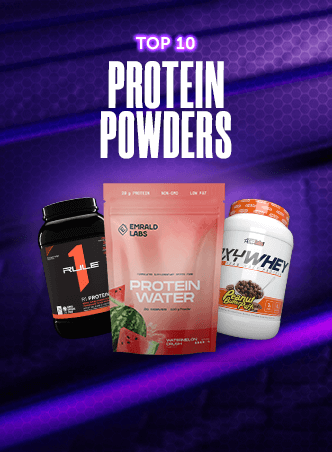
Compare whey concentrate and whey blends, browse lactose-free protein, or see our top 10 protein powders. Our certified nutritionists can help. References for the research cited above are listed below.
The purest form of whey - up to 90% protein with very low fat, carbs and lactose. It delivers more protein per calorie than concentrate.
It is leaner and lower in carbs and lactose, which is better for cutting and sensitive stomachs. Concentrate is a better-value all-rounder. Both build muscle effectively.
It is high in protein and low in calories, which helps you stay full and preserve muscle in a calorie deficit. Overall calorie balance still drives weight loss.
Most of the lactose is removed, so WPI suits many people with mild intolerance. For complete avoidance, check our lactose-free range.
Right here at Elite Supplements. Our certified nutritionists can help. Shop online or visit any of our 140+ stores.
Yes, whey protein isolate is considered lactose-free. Whey protein contains some lactose because it's derived from milk, but the process of purifying whey to make whey isolate removes most of the lactose.
However, if you're allergic to milk or if you're extremely sensitive to trace amounts of dairy, it may still cause an adverse reaction. You should also be aware that whey protein isolate is processed in facilities that also handle milk products.
Whey protein is also gluten-free, making it suitable for people with celiac disease or gluten intolerance. (12)
Yes, taking whey protein isolate can support your weight loss efforts. Whey is a high-quality complete protein that contains all nine of the essential amino acids your body needs to stay healthy.
When you're on a reduced-calorie diet or simply adopting healthier choices to try lose weight, using a protein supplement like whey protein isolate can help you to reduce muscle loss and make it easier for your body to burn fat. It's also an effective way to curb your appetite, as protein is highly satiating and helps regulate blood sugar levels.
Finally, as our WPI powders come in delicious flavours like chocolate, salted caramel, vanilla, and cookies & cream but are low in fat, carbs, and sugar, this is an ideal way to satisfy your sweet tooth without blowing your diet. (13, 14).
Yes, whey protein isolate is safe for most people (including women) to use. There are no major side effects associated with this type of supplement.
Whey protein supplements have even been shown to improve health markers in some clinical studies. It can help lower blood pressure and inflammation and improve cardiovascular health.
However, consuming excessive amounts of protein power can lead to gastrointestinal problems such as bloating, cramps, flatulence and diarrhea. People who eat very high protein diets (including from dietary sources like beef and eggs) also have a higher risk of kidney stones. As long as you make sure you are consuming protein within recommended limits, you should be fine.
If you have any pre-existing medical conditions or are taking any medications, then check with your doctor before using an isolate whey protein powder supplement. (15).
There are many ways to incorporate whey protein isolate into your diet. You can either drink it as a shake mixed with water or milk, or use it as a protein source in healthy smoothies, stir it into oatmeal, or add it when making pancakes or brownies.
Whey protein has been shown to be particularly beneficial for bodybuilders because it contains high levels of essential amino acids and is low in fat and carbohydrates.
There are several types of protein powder, including:
One of the least processed forms of whey protein supplement that contains higher levels of lactose and carbohydrates.
A form of whey that has been purified with additional filtration steps to minimise the levels of fat, lactose and carbs.
The most processed form of whey protein supplement. It is broken down into smaller pieces to make it faster-acting and easier to digest.
A combination of whey protein concentrate, isolate and/or hydrolysed forms of whey. Some blends also contain casein protein, another type of high-quality protein, and may have added ingredients such as vitamins and minerals or collagen to provide additional health benefits.
One of the two main proteins found in milk. It is slower to digest than whey, meaning it keeps you feeling fuller for longer.
A protein powder that has been designed to help people who are trying to gain significant weight, usually in the form of lean muscle. It contains a high level of calories from carbohydrates and fat so you can consume more calories per day.
A type of protein powder that contains a blend of different proteins. It has a slower release rate of over several hours to help maintain muscle growth and repair.
All of these protein powders can help you build muscle when used in conjunction with an effective workout routine. The particular version of the protein supplement you choose will depend on your personal preferences and goals. (16, 17).
Elite Supplements is Australia's most trusted online supplement store. We stock a range of protein powders and sports supplements from the best supplements brands, including Optimum Nutrition, Emrald Labs, ATP Science, and Prana.
You can buy whey protein isolate from us, as well as a huge range of other health and fitness supplements, at great prices.
1. West, D., Abou Sawan, S., Mazzulla, M., Williamson, E., & Moore, D. R. (2017). Whey Protein Supplementation Enhances Whole Body Protein Metabolism and Performance Recovery after Resistance Exercise: A Double-Blind Crossover Study. Nutrients, 9(7), 735. https://doi.org/10.3390/nu9070735
2. Ha, E., & Zemel, M. B. (2003). Functional properties of whey, whey components, and essential amino acids: mechanisms underlying health benefits for active people (review). The Journal of nutritional biochemistry, 14(5), 251–258. https://doi.org/10.1016/s0955-2863(03)00030-5
3. Cooke, M.B., Rybalka, E., Stathis, C.G. et al. Whey protein isolate attenuates strength decline after eccentrically-induced muscle damage in healthy individuals. J Int Soc Sports Nutr 7, 30 (2010). https://doi.org/10.1186/1550-2783-7-30
4. Sharp, M., Shields, K., Lowery, R., Lane, J., Partl, J., Holmer, C., Minevich, J., Souza, E. D., & Wilson, J. (2015). The effects of beef protein isolate and whey protein isolate supplementation on lean mass and strength in resistance trained individuals - a double blind, placebo controlled study. Journal of the International Society of Sports Nutrition, 12(Suppl 1), P11. https://doi.org/10.1186/1550-2783-12-S1-P11
5. Hoffman, J. R., & Falvo, M. J. (2004). Protein - Which is Best?. Journal of sports science & medicine, 3(3), 118–130. https://www.ncbi.nlm.nih.gov/pmc/articles/PMC3905294/
6. Kårlund, A., Gómez-Gallego, C., Turpeinen, A. M., Palo-Oja, O. M., El-Nezami, H., & Kolehmainen, M. (2019). Protein Supplements and Their Relation with Nutrition, Microbiota Composition and Health: Is More Protein Always Better for Sportspeople?. Nutrients, 11(4), 829. https://doi.org/10.3390/nu11040829
7. Aragon, A. A., & Schoenfeld, B. J. (2013). Nutrient timing revisited: is there a post-exercise anabolic window?. Journal of the International Society of Sports Nutrition, 10(1), 5. https://doi.org/10.1186/1550-2783-10-5
8. Schoenfeld, B. J., Aragon, A. A., & Krieger, J. W. (2013). The effect of protein timing on muscle strength and hypertrophy: a meta-analysis. Journal of the International Society of Sports Nutrition, 10(1), 53. https://doi.org/10.1186/1550-2783-10-53
9. Wolfe R. R. (2017). Branched-chain amino acids and muscle protein synthesis in humans: myth or reality?. Journal of the International Society of Sports Nutrition, 14, 30. https://doi.org/10.1186/s12970-017-0184-9
10. Kim, D. H., Kim, S. H., Jeong, W. S., & Lee, H. Y. (2013). Effect of BCAA intake during endurance exercises on fatigue substances, muscle damage substances, and energy metabolism substances. Journal of exercise nutrition & biochemistry, 17(4), 169–180. https://doi.org/10.5717/jenb.2013.17.4.169
11. VanDusseldorp, T. A., Escobar, K. A., Johnson, K. E., Stratton, M. T., Moriarty, T., Cole, N., McCormick, J. J., Kerksick, C. M., Vaughan, R. A., Dokladny, K., Kravitz, L., & Mermier, C. M. (2018). Effect of Branched-Chain Amino Acid Supplementation on Recovery Following Acute Eccentric Exercise. Nutrients, 10(10), 1389. https://doi.org/10.3390/nu10101389
12. Facioni, M. S., Raspini, B., Pivari, F., Dogliotti, E., & Cena, H. (2020). Nutritional management of lactose intolerance: the importance of diet and food labelling. Journal of translational medicine, 18(1), 260. https://doi.org/10.1186/s12967-020-02429-2
13. Frestedt, J. L., Zenk, J. L., Kuskowski, M. A., Ward, L. S., & Bastian, E. D. (2008). A whey-protein supplement increases fat loss and spares lean muscle in obese subjects: a randomized human clinical study. Nutrition & metabolism, 5, 8. https://doi.org/10.1186/1743-7075-5-8
14. Smith, G. I., Commean, P. K., Reeds, D. N., Klein, S., & Mittendorfer, B. (2018). Effect of Protein Supplementation During Diet-Induced Weight Loss on Muscle Mass and Strength: A Randomized Controlled Study. Obesity (Silver Spring, Md.), 26(5), 854–861. https://doi.org/10.1002/oby.22169
15. Lam, F. C., Bukhsh, A., Rehman, H., Waqas, M. K., Shahid, N., Khaliel, A. M., Elhanish, A., Karoud, M., Telb, A., & Khan, T. M. (2019). Efficacy and Safety of Whey Protein Supplements on Vital Sign and Physical Performance Among Athletes: A Network Meta-Analysis. Frontiers in pharmacology, 10, 317. https://doi.org/10.3389/fphar.2019.00317
16. Pasiakos, S. M., McLellan, T. M., & Lieberman, H. R. (2015). The effects of protein supplements on muscle mass, strength, and aerobic and anaerobic power in healthy adults: a systematic review. Sports medicine (Auckland, N.Z.), 45(1), 111–131. https://doi.org/10.1007/s40279-014-0242-2
17. Cintineo, H. P., Arent, M. A., Antonio, J., & Arent, S. M. (2018). Effects of Protein Supplementation on Performance and Recovery in Resistance and Endurance Training. Frontiers in nutrition, 5, 83. https://doi.org/10.3389/fnut.2018.00083
Funnel
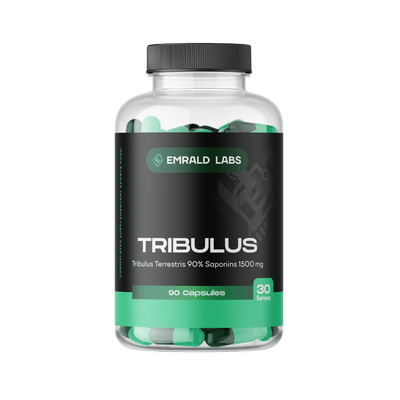
Tribulus
Smelling Salts - Low Strength
Sports Water Bottle
Wrist Lanyard
Don't stress! If something happens to your parcel we'll cover the costs!