

Protect Your Orderi
from Loss, Damage Or Stolen A$2.09
(scroll down to see all)



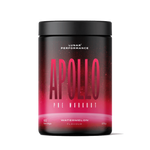
Shop Australia's range of pre-workout supplements and pre-workout powder at Elite Supps. We stock the leading pre-workout brands, from caffeine-free and low-stimulant blends to high-stimulant formulas, plus capsules and ready-to-drink options, chosen to support your training and energy goals alongside good nutrition. Every member of our team, online and in all our stores, is a certified nutritionist, so you can choose your pre-workout with expert guidance.
Pick a stimulant level to match your caffeine tolerance and the time of day you train:
Looking for a specific active? Browse pre-workouts built around popular performance ingredients:
From classic powders to grab-and-go formats, and options tailored to your goal:
Pre-workout supplements are designed to support your energy, focus and performance during training; they work best alongside a balanced diet and a consistent program, not on their own. Common ingredients include caffeine, which may support energy, focus and perceived effort; beta-alanine, which may support muscular endurance; and citrulline malate, which may support blood flow during exercise. Stimulant-free and caffeine-free options are available if you train late or are sensitive to caffeine. Always follow the label, take your pre-workout around 20 to 30 minutes before training, and if you are sensitive to caffeine, pregnant or breastfeeding, or have a health condition, talk to your healthcare professional first.
Explore the full range of pre-workout supplements, choose the formula that suits your training, and enjoy fast delivery anywhere in Australia. Shop now, or chat with our certified nutritionists in-store or online for a recommendation.
Pre-workout supplements are a sports supplement designed to support your energy, focus and performance while you train, so you can get more out of each session. They are usually sold as a powder, similar to protein powder, but you will also find capsulated pre-workouts and ready-to-drink pre-workouts.
Not exactly. Pre-workouts are broadly designed to support your performance during a workout, but there is a wide variety of formulations to suit specific goals. If you are training for a pump, you might prefer a Pump pre-workout; if your focus is weight loss, other options may suit you better. You may try a few before finding the one that is best for you.
Not all pre-workouts provide the same energy boost, so you may want to vary your choice depending on your goals and where you are in your training cycle. At Elite Supplements, we offer a wide range of Australian pre-workout options, including:
Caffeine is one of the most common stimulants in pre-workouts, but some people prefer to limit it, whether due to caffeine sensitivity, wanting to avoid sleep disruption, a health condition, or simply personal preference. In these cases a low stimulant blend may be preferable. We stock a variety of low-stimulant and caffeine-free options (1, 2).
Offering some of the benefits of caffeine without being overwhelming, a medium stimulant pre-workout can be a good option for people stepping up their training or returning to the gym. Caffeine may support energy and focus, which can help you get into the swing of things (3).
Caffeine may support muscular endurance, which has made it popular in many pre-workout products. A high stimulant pre-workout is designed to provide an extra boost, and may suit those who prefer to train in the morning (4).
For experienced trainers looking for an extra edge, our super high stimulant range is designed to support energy and focus at the top end. Pre-workout supplements may support anaerobic power performance, which can help you push through demanding sessions (5).
Men and women can have slightly different nutritional needs, and high-stimulant pre-workouts are not always suitable during pregnancy, so seek advice from your healthcare practitioner first. We stock a range of pre-workout products to help women work toward their training goals as part of a wider health and wellbeing program.
For guidance on which is right for you, speak to one of our certified nutritionists in-store or online; we are happy to help you find the product that best suits your goals.
Take a pre-workout supplement around 20 to 30 minutes before you begin training. This is designed to support your energy before a workout, and may help with concentration and focus during your session. Many people also have a protein shake afterwards to support recovery; together this is a simple two-step routine to support performance and recovery. Always follow the directions on the label.
There is understandably some confusion between a pre-workout and a protein shake, as both are usually sold as a powder and both are associated with training. But there are some key differences.
Protein shakes are more multifaceted; they are typically used as a meal replacement for weight management, to support muscle growth, or to help meet daily protein needs. They are a standalone product, and their benefit is enhanced when combined with exercise.
A pre-workout, by contrast, is specifically designed to support your energy and performance during a workout. Unlike a protein shake, it is not a dietary supplement in itself; taking it without training will not provide any particular benefit.
They can play a part. Pre-workouts will not drive weight loss on their own, but they can be incorporated into a wider healthy eating and exercise program to help you work toward your goals. We stock a range of pre-workouts online and in-store geared toward weight loss.
When used correctly and according to the directions on the label, pre-workout supplements are generally safe for healthy adults. That said, some pre-workouts can cause side effects in some people. Below are some of the most common things to be aware of:
Caffeine is generally safe for healthy adolescents and adults, but some people experience unwanted side effects. This may relate to caffeine sensitivity or underlying health conditions such as heart problems. Pregnant and breastfeeding people are usually advised to limit caffeine to support the wellbeing of themselves and their baby. Caffeine can also interrupt sleep, as it is a stimulant. In any of these cases, a caffeine-free pre-workout may be preferable; we stock a range of low-stimulant and caffeine-free options (6, 7).
If you compete as an athlete at any level, be mindful of the ingredients in any blended pre-workout. Supplements often combine several additives, and it is important to be aware of which substances may be banned in your particular sport or league. Always read the ingredients list closely for any potential issues (8, 9).
Many pre-workouts use sweeteners such as xylitol, which can cause stomach upset or diarrhoea in some people when consumed in large amounts, especially if combined with other products like protein powders. If you know you are sensitive to these ingredients, you may prefer a pre-workout made with real sugar (10).
Most people do not have issues with pre-workout. It is not a solution on its own and is not mandatory for reaching your goals; it is simply designed to give you an extra boost. We always recommend reading the label and ingredients before using any supplement, and if you are making significant changes to your diet or exercise program, or have a pre-existing condition, speak to your healthcare professional first.
The list of pre-workout ingredients can look bewildering at first, but the basics are simpler. The most important element is usually the stimulant; in most pre-workout powders this is caffeine, which provides an energy boost, though some use other ingredients such as taurine. Caffeine is well studied for its effects on performance, and may help reduce the sensation of effort and support energy levels (11, 12).
It is not just about energy, but also endurance to complete the workout. Many pre-workouts include a range of amino acids to help support performance during strenuous exercise.
Many pre-workout supplements also use sweeteners. This is largely to avoid added sugars, but if you have digestive issues you may prefer options with real sugar or to moderate your intake, as some sweeteners can cause stomach upset in some people (13).
Selecting the right pre-workout can be tricky, and having a range of choices matters because everyone's needs are different. At Elite Supplements we stock a wide variety of pre-workout supplements, including:
Amino acids are common in many supplements; protein is made up of amino acids, and pre-workouts can include specific aminos too. For example, creatine may support exercise performance and recovery. Our amino acid pre-workout range is designed to support your performance during and after training (14).
Whether you are new to training or a seasoned athlete, beta-alanine may support muscular endurance, which can help you keep working out for longer. It can be a useful addition to your pre-workout supplementation (15, 16).
Citrulline malate is frequently included in pre-workouts and may support blood flow during exercise, which some people find helps with endurance and recovery. Research is ongoing, but it may offer benefits as part of your pre-workout supplementation (17).
Best known for its inclusion in energy drinks, taurine may support energy during your workout, which in turn may support overall performance (18).
Each type of pre-workout has its own benefits, and you may need to try a few before settling on the one that is best for you. If you are unsure, get in touch with our certified nutritionists; we can walk you through which is best for your individual needs in a safe and sensible way.
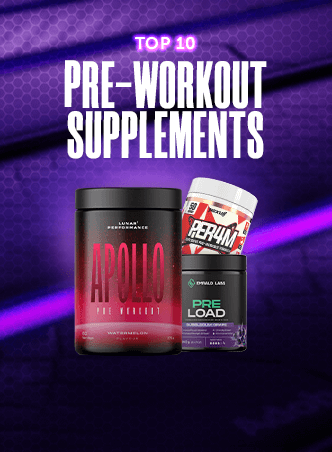
Right here at Elite Supplements. We are one of the leading stockists and suppliers of pre-workout supplements in Australia, with more than 140 stores nationwide and an extensive range available online. We have even put together a list of our top 10 pre-workouts as a handy guide, so whatever you are looking for, you will be able to find one to suit your lifestyle and needs.
Yes. If you are sensitive to caffeine, train late in the day, or simply prefer to avoid stimulants, we stock caffeine-free pre-workout and low stimulant pre-workout options. These are designed to support focus and pump without the caffeine, often using ingredients like citrulline and beta-alanine. Our certified nutritionists can help you find a non-stimulant formula to suit you.
The best pre-workout depends on your goals, your caffeine tolerance and the format you prefer. If you are new to pre-workout, start with a low or medium stimulant option and see how your body responds. For a quick starting point, browse our top 10 pre-workouts, or chat with our certified nutritionists in-store or online and we will match a formula to your training. Everyone is different, so you may try a couple before finding your favourite.
1. Nawrot, P., Jordan, S., Eastwood, J., Rotstein, J., Hugenholtz, A., & Feeley, M. (2003) Effects of caffeine on human health, Food Additives & Contaminants, 20:1, 1-30. https://doi.org/10.1080/0265203021000007840
2. Drake, C., Roehrs, T., Shambroom, J., Roth, T. (2013). Caffeine effects on sleep taken 0, 3, or 6 hours before going to bed. Journal of Clinical Sleep Medicine. Nov 15;9(11):1195-200. https://doi.org/10.5664/jcsm.3170
3. Smirmaul, B.P.C., de Moraes, A.C., Angius, L. et al. (2017) Effects of caffeine on neuromuscular fatigue and performance during high-intensity cycling exercise in moderate hypoxia. Eur J Appl Physiol 117, 27–38. https://doi.org/10.1007/s00421-016-3496-6
4. Grgic, J., Trexler, E.T., Lazinica, B. et al. (2018) Effects of caffeine intake on muscle strength and power: a systematic review and meta-analysis. J Int Soc Sports Nutr 15, 11. https://doi.org/10.1186/s12970-018-0216-0
5. Martinez, N., Campbell, B., Franek, M. et al. (2016) The effect of acute pre-workout supplementation on power and strength performance. J Int Soc Sports Nutr 13, 29 . https://doi.org/10.1186/s12970-016-0138-7
6. Wikoff, D., Welsh, B.T., Henderson, R., Brorby, G.P., Britt, J., Myers, E., Goldberger, J., Lieberman, H.R., O'Brien, C., Peck, J., Tenenbein, M., Weaver, C., Harvey, S., Urban, J., Doepker, C. (2017) Systematic review of the potential adverse effects of caffeine consumption in healthy adults, pregnant women, adolescents, and children. Food and Chemical Toxicology, 109, 1, 585-648. https://doi.org/10.1016/j.fct.2017.04.002
7. Temple, J.L., Bernard, C., Lipshultz, S.E., Czachor, J.D., Westphal, J.A., Mestre, M.A. (2017) The Safety of Ingested Caffeine: A Comprehensive Review. Front Psychiatry. May 26;8:80. https://doi.org/10.1016/j.fct.2017.04.002
8. Harty, P.S., Zabriskie, H.A., Erickson, J.L., Molling, P.E., Kerksick, C.M., Jagim, A.R. (2018) Multi-ingredient pre-workout supplements, safety implications, and performance outcomes: a brief review. J Int Soc Sports Nutr. 8;15(1):41. https://doi.org/10.1186/s12970-018-0247-6
9. Bescós, R., Sureda, A., Tur, J.A., Pons, A. (2012) The effect of nitric-oxide-related supplements on human performance. Sports Med. 1;42(2):99-117. https://doi.org/10.2165/11596860-000000000-00000
10. Mäkinen, K.K. (2016) Gastrointestinal Disturbances Associated with the Consumption of Sugar Alcohols with Special Consideration of Xylitol: Scientific Review and Instructions for Dentists and Other Health-Care Professionals. Int J Dent. 2016:5967907. https://doi.org/10.1155/2016/5967907
11. Pickering, C., Grgic, J. (2019) Caffeine and Exercise: What Next?. Sports Med 49, 1007–1030. https://doi.org/10.1007/s40279-019-01101-0
12. Reza Tabrizi, Parvane Saneei, Kamran B Lankarani, Maryam Akbari, Fariba Kolahdooz, Ahmad Esmaillzadeh, Somayyeh Nadi-Ravandi, Majid Mazoochi & Zatollah Asemi (2019) The effects of caffeine intake on weight loss: a systematic review and dos-response meta-analysis of randomized controlled trials, Critical Reviews in Food Science and Nutrition, 59:16, 2688-2696. https://doi.org/10.1080/10408398.2018.1507996
13. Spencer, M., Gupta, A., Dam, L.V., Shannon, C., Menees, S., Chey, W.D. (2016) Artificial Sweeteners: A Systematic Review and Primer for Gastroenterologists. J Neurogastroenterol Motil 22:168-180. https://doi.org/10.5056/jnm15206
14. Kreider, R.B., Kalman, D.S., Antonio, J. et al. (2017) International Society of Sports Nutrition position stand: safety and efficacy of creatine supplementation in exercise, sport, and medicine. J Int Soc Sports Nutr 14, 18. https://doi.org/10.1186/s12970-017-0173-z
15. Trexler, E.T., Smith-Ryan, A.E., Stout, J.R. et al. (2015) International society of sports nutrition position stand: Beta-Alanine. J Int Soc Sports Nutr 12, 30. https://doi.org/10.1186/s12970-015-0090-y
16. Bellinger, Phillip M. (2014) β-Alanine Supplementation for Athletic Performance, Journal of Strength and Conditioning Research. 28, 6 - p 1751-1770 https://doi.org/10.1519/jsc.0000000000000327
17. Allerton, T.D.; Proctor, D.N.; Stephens, J.M.; Dugas, T.R.; Spielmann, G.; Irving, B.A. (2018) l-Citrulline Supplementation: Impact on Cardiometabolic Health. Nutrients, 10, 921. https://doi.org/10.3390/nu10070921
18. Xu, Y. J., Arneja, A. S., Tappia, P. S., & Dhalla, N. S. (2008). The potential health benefits of taurine in cardiovascular disease. Experimental and clinical cardiology, 13(2), 57–65.
Funnel
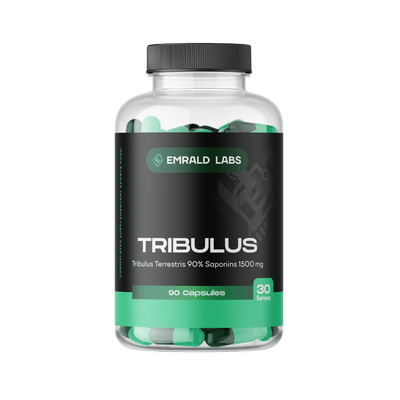
Tribulus
Smelling Salts - Low Strength
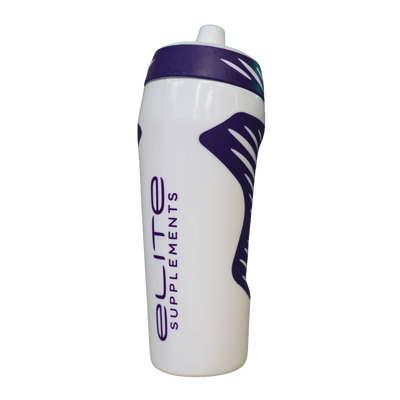
Sports Water Bottle
Wrist Lanyard
Don't stress! If something happens to your parcel we'll cover the costs!