

Protect Your Orderi
from Loss, Damage Or Stolen A$2.09
TODAY'S EXCLUSIVE ELITE DEALS!
(scroll down to see all)
Electrolyte Gummy
Vitamin C Gummy
Protein Crisp Bar | Single
Faction Labs Creatine Monohydrate 150g
Nootropic Gummy
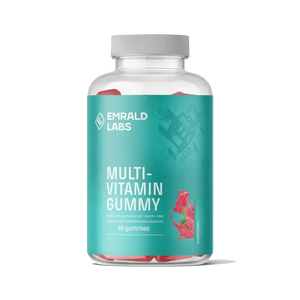
Multivitamin Gummy
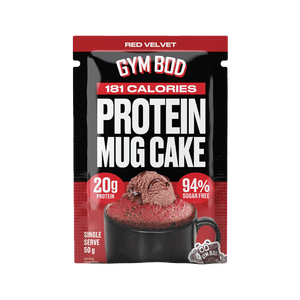
Protein Mug Cake Sachet
Bottle Cleaning Tablets
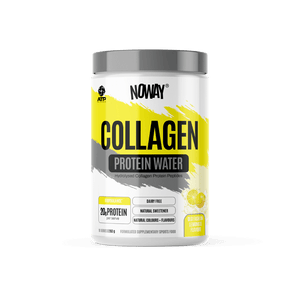
Noway Protein Water Sample
Electric Hand Mixer
Nasal Strips
Mouth Tape
Massage Ball
Measuring Scoop
Elite Gym Towel
Sleep Gummies
Training Duffle Bag
Digital Food Scale
E-Book - Four Weeks to a Lifetime
1600 Cals Meal Plan For Women
2200 Cals Meal Plan For Men
Funnel
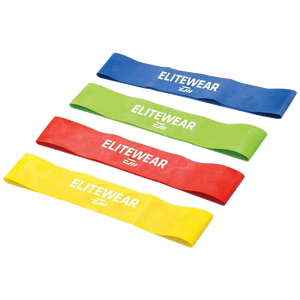
Elite Supps Latex Resistance Bands
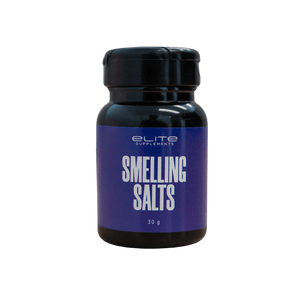
Smelling Salts - Low Strength
Scitec Water Jug
Pill Organiser | 7 Compartments
Optimum Nutrition Tote Bag

Popular Searches


Popular Searches
Popular Categories
Best selling products

Shop organic protein powder at Elite Supps. Organic protein is made from ingredients grown without synthetic pesticides, fertilisers or GMOs, and certified to an organic standard - a cleaner-label choice for people who care about how their food is grown. Our range is mostly plant-based (pea, brown rice, almond and blends), with great taste and a complete amino acid profile to support muscle, recovery and everyday nutrition. Every member of our team is a certified nutritionist, so you can choose with confidence.
Organic protein powder is simply protein - usually plant protein like pea or brown rice, and sometimes whey - made from certified-organic ingredients. To be labelled organic in Australia, the ingredients must be grown and processed to a recognised organic standard: no synthetic pesticides or fertilisers, no GMOs, and independent certification by a body such as Australian Certified Organic (ACO). The protein itself works the same way as any other - what changes is how the source ingredients are farmed.
People choose organic protein for a few reasons:
It is worth being clear-eyed, though: "organic" describes how the ingredients are farmed, not that the protein is automatically more nutritious. For muscle and recovery, total protein and amino acid quality are what matter most (3).
Most organic protein is plant-based, with a few organic whey options too:
The most popular organic plant protein - high in protein and BCAAs, easy to digest, and naturally dairy- and gluten-free. Often blended with rice for a complete amino profile.
Gentle and hypoallergenic, usually paired with pea to round out the amino acids. A staple of organic plant blends.
Wholefood-style proteins from almonds, pumpkin or other seeds - naturally creamy, with a clean, minimally processed feel.
The best all-rounders, combining two or more organic plant sources (pea, rice, fava, seeds) for a complete, smooth, great-tasting protein. Compare our full vegan protein and plant-based protein ranges.
If you prefer dairy, organic or grass-fed whey is made from the milk of certified-organic or pasture-raised cows - a cleaner-sourced take on classic whey protein.
In Australia, look for a certification logo - such as Australian Certified Organic (ACO) - and check the wording. "Certified organic" means the product meets a full organic standard, while "made with organic ingredients" means only some are. Certification covers how crops are grown (no synthetic pesticides, fertilisers or GMOs) and how the product is processed and handled. If organic matters to you, the logo and a certification number on the pack are what to look for.
Start with your diet and goal. Plant-based or dairy-free? An organic pea, rice or multi-source blend. Prefer dairy? An organic or grass-fed whey. Then check the protein per serve (aim for 20 to 25g), look for a certified-organic logo, choose a blend for a complete amino profile, and pick a flavour you will enjoy - taste is what keeps you consistent.
Organic protein suits anyone who wants a certified, cleaner-label protein - vegans and vegetarians, people with dairy or gluten sensitivities, and anyone who simply prefers organically grown ingredients. It supports the same muscle, recovery and everyday-nutrition goals as any quality protein, as part of a balanced diet.
Mix one scoop with water, your favourite milk or a smoothie, after training or any time you need to top up your protein. Aim for around 1.6 to 2.2g of total protein per kilo of body weight a day from food and shakes combined; an organic protein serve usually gives 20 to 25g.
Browse our vegan protein, plant-based protein and pea protein ranges, or compare with whey protein and our top 10 protein powders. Our certified nutritionists can help. References for the research cited above are listed below.
It is protein powder - usually plant-based like pea or rice, sometimes whey - made from certified-organic ingredients grown without synthetic pesticides, fertilisers or GMOs, and verified by a body such as Australian Certified Organic (ACO).
"Organic" describes how the ingredients are farmed (no synthetic pesticides or GMOs), not that the protein is automatically more nutritious. For muscle and recovery, total protein and amino acid quality matter most - organic is a values and cleaner-label choice on top of that.
Most organic protein is plant-based (pea, brown rice, almond and blends), which is also dairy- and gluten-free. There are also organic and grass-fed whey options if you prefer dairy.
It means the product meets a full organic standard and has been independently certified - covering how the crops are grown and how the product is processed. Look for a certification logo (like ACO) and a certification number on the pack. "Made with organic ingredients" means only some ingredients are organic.
Yes - a quality organic protein, especially a multi-source plant blend, supplies the amino acids needed to support muscle growth and recovery alongside training, just like any good protein.
1. Hertzler, S. R., Lieblein-Boff, J. C., Weiler, M., & Allgeier, C. (2020). Plant Proteins: Assessing Their Nutritional Quality and Effects on Health and Physical Function. Nutrients, 12(12), 3704. https://doi.org/10.3390/nu12123704
2. Mariotti, F., & Gardner, C. D. (2019). Dietary Protein and Amino Acids in Vegetarian Diets - A Review. Nutrients, 11(11), 2661. https://doi.org/10.3390/nu11112661
3. Hoffman, J. R., & Falvo, M. J. (2004). Protein - Which is Best? Journal of Sports Science & Medicine, 3(3), 118-130. https://www.ncbi.nlm.nih.gov/pmc/articles/PMC3905294/
Funnel
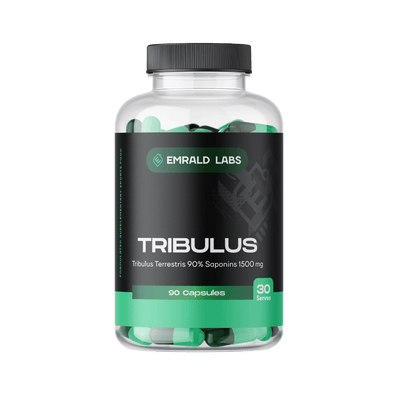
Tribulus
Smelling Salts - Low Strength
Don't stress! If something happens to your parcel we'll cover the costs!