


















"No matter what I do, I still can't seem to shift the weight..."
Does this sound familiar to you? Gut health is one of the most talked about topics in the health and fitness industry as of late with science starting to show just how important it is for not only performance, but for general health as well.
If you are one of those people that can do the diet and exercise that works for everyone else, you have your maths right and calories in and out calculated correctly and still do not see change; then you may need to make significant changes to your gut flora.
Key points
- Gut and weight. A healthy gut biome is associated with a positive response to weight loss efforts.
- Supplements can help. If you have digestive problems, a gut health supplement may help support your general digestive wellbeing.
- Firmicutes vs Bacteroidetes. Obesity patterns show more Firmicutes and fewer Bacteroidetes bacteria.
- Improve it daily. Eat high fibre foods, stay hydrated and take a prebiotic.
- Our pick. ATP Science's GutRight is formulated to support a balanced gut flora profile.
How does gut health affect weight loss?
Studies have shown that a healthy gut biome is associated with a positive response to weight loss efforts. Certain bacteria in the gut take in nutrients for themselves, and therefore leave less to be absorbed by the humans they inhabit. This may sound bad, but it's actually a good thing! Having a healthy gut biome will not leave you malnourished. In fact it will help you digest food better and increase your overall wellness.
Will a gut health supplement assist weight loss?
If you have digestive problems, then yes, a gut health supplement may help support your general digestive wellbeing as part of a balanced diet and exercise routine. Symptoms of this may include bloating, constipation, sleep issues and fatigue. The issue of gut health seems to be a common modern problem.
Humans may have survived for centuries without the use of any kind of supplements to manage their digestive system, but times have changed. The bacteria that normally exists in the gut now is different from centuries past, as our diet has changed over the years to more processed foods and less variety of raw foods, our gut bacteria have become imbalanced leading to a whole host of negative health outcomes.
How does gut health affect the body?
Some research suggests that gut flora imbalances may be associated with general dietary habits and overall wellbeing Recent science studies have shown in-particular, that some research suggests overweight individuals may have different gut bacteria profiles, which may be associated with general metabolic and inflammatory markers.
What the gut flora pattern looks like
Research describes a recurring pattern in the gut flora of people carrying excess weight:
- An increased ratio of Gram-positive to Gram-negative bacteria.
- More Firmicutes and fewer Bacteroidetes.
- Higher amounts of the firmicute bacteria Lactobacillus.
Worth noting that this is an association observed in populations, not a cause that has been established in individuals. Gut flora differs enormously from person to person.
What are Firmicutes and what do they do?
Some research suggests certain gut bacteria may influence food cravings and general metabolic processes, and that they compete with other microorganisms in ways that shape the overall gut environment. So all in all, maintaining a balanced gut flora profile may support general digestive health and overall wellbeing.
How to improve your gut health
The best way to improve your gut health is to eat high fibre foods, stay hydrated and take a prebiotic. This will help decrease these firmicutes and increase the amount of healthy bacteroidetes bacteria. maintaining healthy levels of this bacteria may be associated with supporting general metabolic wellbeing.
What supplements can help improve gut health?
There are several beneficial supplements for gut health, including greens powders, collagen and prebiotics. Our favourite, GutRight doesn't just use pre or probiotics to improve gut health. It heavily relies on modbiotics. To put it simply, ATP Science's GutRight is formulated to support a balanced gut flora profile as part of a healthy lifestyle
The benefits of supplementing with ATP Science Gutright are:
- Better ratios of gut flora
- May help support general immune health as part of a balanced diet
- May help support general liver wellbeing
- May help support general digestive comfort
- May help support general energy levels and mental wellbeing
GET YOUR GUTRIGHT!
To reset your system and rebalance your gut flora, take 1 teaspoon 3 x daily for 10 days to support a balanced gut flora profile.
Gutright is part of the ATP Science Pillars of Health so is best taken alongside the others like Vital Foods for optimal results.
What are the signs of poor gut health?
Worth separating the common and meaningful from the lists that circulate online.
Genuinely worth paying attention to:
- Persistent bloating, wind or discomfort after eating.
- Irregular bowel habits that represent a change for you.
- Reflux or indigestion that keeps recurring.
- Food intolerances that seem to be increasing.
Worth acting on quickly rather than researching: blood in your stool, unexplained weight loss, persistent pain, or difficulty swallowing. Those are GP appointments, not supplement decisions.
Much of what gets listed as a "sign of an unhealthy gut" online, including fatigue, skin problems and mood changes, has many other causes and is not specific enough to act on.
What actually improves gut health?
- Fibre, and variety of it. The single most supported thing you can do. Different plants feed different bacteria, so a wide range does more than a large amount of one.
- Fermented foods. Yoghurt, kefir, sauerkraut, kimchi. Reasonable evidence, and cheaper than supplements.
- Enough sleep, and managing stress. The gut-brain connection runs both ways.
- Regular exercise, associated with more diverse gut bacteria.
- Limiting alcohol.
- Probiotic supplements, last, and strain-specific.
Most Australian adults fall well short on fibre. Closing that gap does more than any product in this category.
Do probiotic supplements work?
Sometimes, for specific things, and much less generally than they are sold.
The effects are strain-specific, which is the part that gets lost. A strain with evidence for antibiotic-associated diarrhoea tells you nothing about a different strain for bloating. A label reading "50 billion CFU" without naming strains is selling you a number rather than a result.
Where the evidence is better: after a course of antibiotics, and for some IBS symptoms with particular strains. Where it is weaker: general wellbeing, immunity, and most of what appears on the front of the packet.
What drink improves gut health?
Kefir, if you want a single answer. It is fermented, contains a wider range of organisms than most yoghurt, and is food rather than a supplement.
Water matters more than it sounds, because fibre needs fluid to work properly and increasing fibre without it causes exactly the problem you were trying to fix.
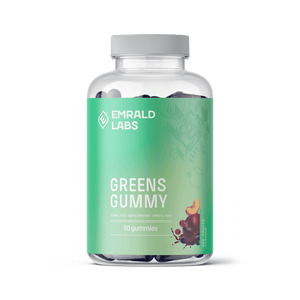
The gut health range has the supplement options if you want them, though the fibre and fermented food route is cheaper and better supported.