

















We all know that proper technique and good nutrition are vital if you want to see results from your training efforts. However, we tend to overlook what an important role sleep plays in our health and fitness.
Key points
- Sleep affects performance. Lack of sleep can affect how you feel and make it harder to think.
- Recovery matters. Sleep is just as important for building muscle as your time in the gym.
- Part of your routine. Supporting your body with good nutrition and rest is an important part of any training routine.
- Improve your sleep. Simple strategies like a screen ban, a set schedule and a comfortable bed can help.
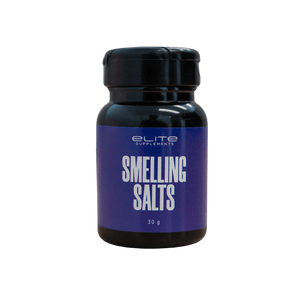
- Supplement support. Elite Supps offers a wide variety of sleep aid supplements.
How Sleep Affects Your Health
Obviously, we all need sleep. Without it, you may suffer a number of consequences.
- Lack of sleep may affect how you feel day to day, including your general sense of wellbeing.
- When you haven't slept enough, you're more likely to forget things or have trouble thinking.
All of these things can affect your performance and your progress. Plus, it's hard to stay motivated when you're always feeling tired.
Importance of sleep for muscle recovery
Recovery is an essential part of developing positive results from training. You can't recover if you don't rest, and people who train need more of it than everyone else. To run at optimal levels, you need good sleep. There's just no way around it.
Sometimes it is said that muscles are built while you sleep. This is true - sleep is just as important for building muscle as your time in the gym. During sleep, your body undergoes natural recovery processes that support your training efforts. Rest and recovery are an important part of any training routine, helping you feel ready to perform at your best.
So, is sleep exercise?
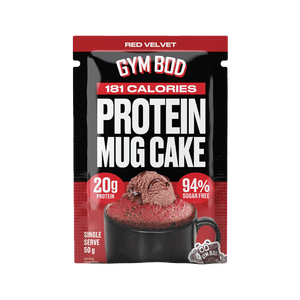
Not exactly, but it is a hugely important part of your fitness routine. Supporting your body with good nutrition and rest is an important part of any training routine. This is why protein desserts are so popular! Many people find that including protein as part of their evening nutrition routine supports their overall training goals.
How to Improve the Quality and Quantity of Your Sleep
The good news is that a few simple strategies can help you overhaul your sleep habits. You'll be healthier and more motivated, and you'll see better, faster results from your training efforts.
- Change the way you think about sleep. Good sleep should never be considered expendable. You wouldn't forego eating because you're too busy, and you shouldn't do that with sleep.
- Take Comfort. You really can't get good quality sleep on a poor quality bed. Invest in a decent mattress, and use pillows that give you proper support. Your sleep environment matters, too. It might be time to spruce up your bedroom and make it a more calming, relaxing place to be. Make it as dark as possible too!
- Consider a bedtime screen ban. Modern technology is affecting how we sleep. Experts warn that late-night screen time can wreak havoc on your sleep habits. Try nixing Netflix-binging in bed, and put down the phone an hour before it's time to get some shuteye.
- Create a relaxing routine. After you turn off all the electronics, take a nice bath, meditate, journal, or listen to some relaxing music. Whatever helps you wind down after a long day.
- Get yourself on a sleep schedule. Sleep experts recommend going to bed and waking up at the same time every night, even on weekends. While this may not always be possible, aim to stick to a schedule as often as you can.
- Don't skip your workout. Good news for people who train: daily exercise helps you sleep better at night. Work hard, sleep hard.
- Supplement your sleep. Taking the right supplements as part of a healthy routine may help support your general health and wellbeing. Here at Elite Supps, we offer a wide variety of sleep aid supplements to support your general health and wellbeing as part of a healthy lifestyle.
Shop our bestselling sleep aids here, and see what customers are saying about these popular sleep supplements.
What poor sleep actually costs you
This article covers what sleep loss does to your training. For the underlying physiology, see what happens to muscle while you sleep. For practical fixes, see five ways to improve your sleep.
The effects are broader than feeling tired:
- Reduced strength and power output. Measurable after even a single bad night, and more pronounced on maximal efforts.
- Higher perceived exertion. The same weight feels heavier, so sessions get cut short.
- Worse body composition while dieting. On restricted sleep, more of the weight lost is muscle rather than fat.
- Increased appetite. Sleep loss affects the hormones regulating hunger and fullness, which makes a deficit considerably harder to hold.
- Higher injury risk. Associated with reduced sleep in athlete populations, plausibly through reaction time and coordination.
- Slower recovery between sessions. Which compounds across a training week.
Do I lose progress if I do not sleep?
Not from one night. From a pattern, yes.
A single poor night costs you a session's quality, no more. That is worth keeping in proportion, because anxiety about sleep is itself a common cause of poor sleep.
Weeks of five or six hours is different. That degrades recovery, training quality, appetite regulation and adherence simultaneously, and it is the most common invisible reason people stop progressing while insisting nothing has changed.
Is sleep more important than training?
They are not really in competition, but if you are choosing between a 5am session on four hours of sleep and an extra ninety minutes in bed, the sleep is usually the better call.
A session performed exhausted delivers less stimulus and carries more risk than the same session done rested later. Chronically trading sleep for training volume is one of the more reliable ways to work hard and progress slowly.
How much sleep do I actually need?
Seven to nine hours for most adults, with people training hard often at the upper end of that.
The honest caveat is that individual requirements genuinely vary. The useful test is not the number but how you feel: waking without an alarm, not needing caffeine to function before mid-morning, and not crashing in the afternoon.
If you consistently need an alarm and still feel unrested, you are short regardless of the hours on paper.