

















A baked cookie dough slice built on a tin of chickpeas. It sounds unlikely and it works: blended chickpeas give you a dense, fudgy texture with a lot more fibre and protein than a flour-based slice.
Created by Scarlett (@scarlactive). Serves four, and takes about ten minutes to put together.
Key points
- Chickpea based. No flour, and you cannot taste them.
- Eight ingredients. Blend, mix, press, bake.
- 30 minutes at 180. Serves four.
- High in fibre. The chickpeas do that, not the protein powder.
- Blend them properly. The single thing that decides the texture.
Ingredients
- 1 can chickpeas, drained
- 100 ml almond milk
- 60 g honey
- 1 tsp baking powder
- 0.5 tsp salt
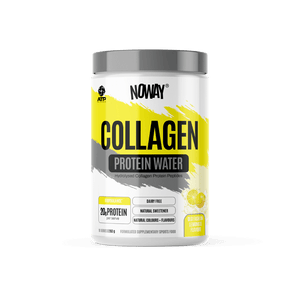
- 90 g cookie dough flavoured protein powder
- 60 g peanut butter
- 80 g choc chips
Method
- Blend the chickpeas and almond milk together until completely smooth, then empty into a bowl.
- Mix in all the remaining ingredients except the chocolate chips. Mix well.
- Fold in 50 g of the choc chips, then press into a lined baking tray.
- Sprinkle the remaining 30 g of chocolate chips over the top.
- Bake for 30 minutes at 180 degrees.
- Best eaten warm.
Can you really taste the chickpeas?
Not if you blend them properly, and that is the whole trick to this recipe.
The chickpeas need to be completely smooth before anything else goes in. Any texture left at that stage stays in the finished slice, and that is what people notice when a chickpea bake goes wrong. It is not the flavour, it is the grain.
Two things that help:
- Rinse them well after draining. The liquid in the tin carries most of the tinned taste.
- Blend the chickpeas and milk on their own first, as the recipe says, rather than throwing everything in at once. A food processor works better than a stick blender here.
Why chickpeas in a dessert?
They are doing a real job, not just standing in for flour.
Chickpeas bring fibre, which most Australians do not get enough of, and they hold moisture in a way flour does not. That is why this slice comes out fudgy rather than cakey. They also add protein on top of what the powder contributes.
The trade-off is that it will never be a light, crumbly slice. If that is what you want, this is not the recipe.
What not to mix with whey protein?
Genuinely very little, and most of the warnings online are not supported.
The two worth knowing are practical rather than health related:
- Acidic fruit such as pineapple or citrus can make whey curdle or turn grainy in a cold drink. A texture problem, not a safety one.
- Boiling liquid makes whey clump. Let coffee or porridge cool for a minute first.
Baking is fine. Heat sets protein, which is exactly what you want in a slice.
Why do some dietitians recommend against protein powder?
This deserves a fair answer rather than a defensive one, because the objections are mostly reasonable.
What dietitians generally say is food first, and the reasoning is sound:
- Most people already eat enough protein. In Australia, average intake exceeds requirements for the majority of adults. If you are already meeting your needs, a powder adds cost rather than benefit.
- Whole foods bring more with them. Chicken, eggs, dairy, legumes and fish carry micronutrients and fibre a powder does not. Chickpeas are a good example, which is part of why this recipe works.
- Supplements are less tightly regulated than food. Buying from established brands matters.
- It can displace better options. A shake instead of a meal is usually a downgrade nutritionally.
Where a powder genuinely earns its place is convenience and higher requirements: people training hard, older adults trying to preserve muscle, anyone struggling to hit their intake through food alone. That is a real use case, and it is narrower than the marketing implies.
We sell protein powder. We would still rather you knew where it does and does not help.
Will three protein shakes a day help me lose weight?
Not by itself, and three a day is more than almost anyone needs.
Protein shakes have calories. Three of them on top of your normal food is simply more energy, which works against fat loss rather than for it. Where protein helps is satiety: it keeps you full for longer than the equivalent calories of carbohydrate or fat, so a shake replacing something is a different proposition to a shake added on top.
One or two a day, counted inside your total intake rather than added to it, is the sensible use.
Which protein powder should I use?
A cookie dough or vanilla flavour suits this best. Chocolate works, though with 80 g of choc chips already in the mix it becomes fairly one-note.
Whey blends most easily and bakes reliably. Plant protein absorbs more liquid, so add an extra splash of almond milk and expect a denser slice.
100% Whey Protein is our house-brand option, and the full protein range is worth comparing on price per serve.
Can I make it vegan?
Yes, more easily than most baked recipes, because there is no egg in it to begin with.
Swap the honey for maple syrup or rice malt syrup, use a plant protein powder, and check your choc chips for dairy. The almond milk is already plant based.
How long does it keep?
- Fridge. Up to five days in an airtight container.
- Freezer. Up to three months. Slice it first so you can take one piece at a time.
- Reheating. Twenty seconds in the microwave brings back the warm, fudgy texture it has fresh from the oven.
For more like this, browse the full recipe collection.