









One of the most common questions we receive is "should I take protein powder if I am trying to lose weight"? It's easy to see how this topic could be confusing as there is the perception that protein powder is only for bodybuilders and Dwayne 'The Rock' Johnson. However, everyone could stand to benefit from taking protein powder!
Protein is an essential macronutrient that plays a role in many bodily functions, including supporting tissues, enzymes, hormones, and other molecules. It is also the most satiating macronutrient, meaning it can help you feel fuller for longer periods, leading to a reduced calorie intake.
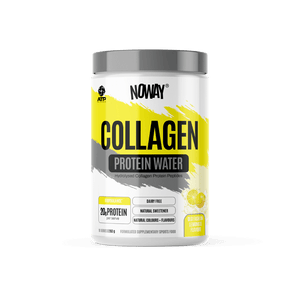
Protein powder is a concentrated form of protein that is typically made from whey, casein, soy, or pea. It is a convenient and cost-effective way to increase your protein intake, particularly for those who struggle to consume adequate protein through whole foods. The most popular type of protein powder is whey protein powder, which is a fast-digesting protein that is rich in essential amino acids.
Plant protein powder is also available, which is ideal for individuals that are on a plant based diet. This is also a great option if you are unable to tolerate dairy!
Protein powder specific for weight loss is also an option. These protein powders are specifically formulated to support your weight management goals and may include ingredients like conjugated linoleic acid (CLA), green tea extract, or caffeine.
Here are some of the ways protein powder can aid in weight loss:
1. Increases Satiety
As mentioned earlier, protein is the most satiating macronutrient, meaning it can help you feel full and satisfied for longer periods. Several studies have explored how consuming a high-protein diet may support satiety and calorie management as part of a weight management programme. (1)
Some research has suggested that higher protein intake may support body composition goals as part of a calorie-controlled diet. The researchers attributed the weight loss to the increased satiety and reduced calorie intake.
2. Helps Preserve Lean Muscle Mass
When you are trying to lose weight, it is essential to preserve lean muscle mass. Maintaining lean muscle mass is an important part of supporting your overall body composition goals.
Adequate protein intake may help support lean muscle mass as part of a balanced diet and exercise programme. Some research has explored the role of higher protein intake in supporting body composition as part of a calorie-controlled diet. (1).
3. Boosts Metabolism
Protein has a higher thermic effect than carbohydrates and fat, meaning the body uses energy to digest and absorb it.
Some research has explored the relationship between protein intake and energy metabolism as part of a balanced diet. The researchers explored the potential role of protein intake in supporting overall dietary goals. (1).
4. Helps Control Blood Sugar
Including protein with meals may help support a balanced approach to eating as part of a healthy diet.
Some research has explored the relationship between protein intake and blood glucose management as part of a balanced diet. (5).
5. Can Replace High-Calorie Foods
Protein powder can be used as a substitute for high-calorie foods, such as snacks and desserts. By replacing high-calorie foods with protein powder, you can reduce your calorie intake while still consuming adequate protein.
Some research has suggested that higher-protein snacks may help support satiety as part of a calorie-managed diet. (4).
In conclusion, protein powder can be an effective aid in weight loss. it may help support satiety and lean muscle maintenance as part of a balanced diet and exercise programme. Protein powders are also exceptionally tasty - making them an awesome low calorie alternative to high calorie sweet treats.
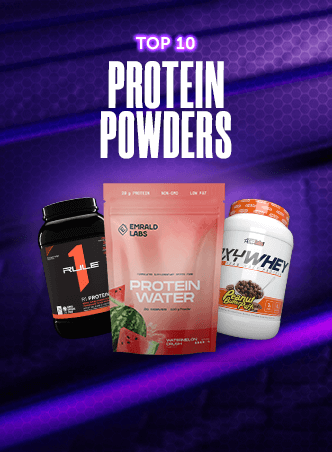
Check out our wide range of protein powders to find the best one for you! We have protein powders available for all goals and dietary requirements. Whether you want to lose weight or gain muscle, we have the products for you.
Still have more questions? Reach out! We'd love to hear from you and help out in any way we can.
References
- Halton, T. L., & Hu, F. B. (2004). The effects of high protein diets on thermogenesis, satiety and weight loss: a critical review. Journal of the American College of Nutrition, 23(5), 373-385. https://doi.org/10.1080/07315724.2004.10719381
- Pasiakos, S. M., Cao, J. J., Margolis, L. M., Sauter, E. R., Whigham, L. D., McClung, J. P.,... & Young, A. J. (2013). Effects of high-protein diets on fat-free mass and muscle protein synthesis following weight loss: a randomized controlled trial. The FASEB Journal, 27(9), 3837-3847. https://doi.org/10.1096/fj.13-230227
- Leidy, H. J., Bossingham, M. J., Mattes, R. D., & Campbell, W. W. (2010). Increased dietary protein consumed at breakfast leads to an initial and sustained feeling of fullness during energy restriction compared to other meal times. British Journal of Nutrition, 104(3), 423-431. https://doi.org/10.1017/S0007114510000792
- Pal, S., & Ellis, V. (2010). The acute effects of four protein meals on insulin, glucose, appetite and energy intake in lean men. British Journal of Nutrition, 104(8), 1241-1248. https://doi.org/10.1017/S0007114510002013
- Layman, D. K., Boileau, R. A., Erickson, D. J., Painter, J. E., Shiue, H., Sather, C., & Christou, D. D. (2003). A reduced ratio of dietary carbohydrate to protein improves body composition and blood lipid profiles during weight loss in adult women. The Journal of Nutrition, 133(2), 411-417. https://doi.org/10.1093/jn/133.2.411