



Protect Your Orderi
from Loss, Damage Or Stolen A$2.09
TODAY'S EXCLUSIVE ELITE DEALS!
(scroll down to see all)
Electrolyte Gummy
Vitamin C Gummy
Nootropic Gummy
Ashwagandha Gummy
Greens Gummy
Apple Cider Vinegar Gummy
60 Serve Pre-Workout
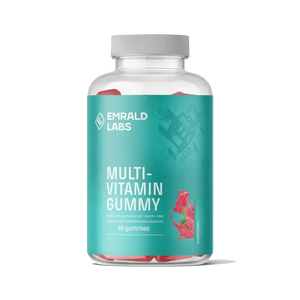
Multivitamin Gummy
Protein Mug Cake Sachet
Bottle Cleaning Tablets
Noway Protein Water Sample
Electric Hand Mixer
Nasal Strips
Mouth Tape
Massage Ball
Measuring Scoop
Elite Gym Towel
Sleep Gummies
Training Duffle Bag
Digital Food Scale
E-Book - Four Weeks to a Lifetime
1600 Cals Meal Plan For Women
2200 Cals Meal Plan For Men
Funnel
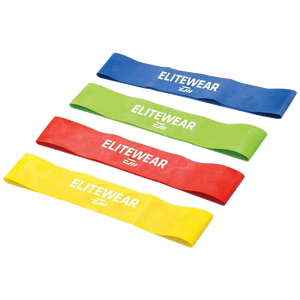
Elite Supps Latex Resistance Bands
Wrist Lanyard
Smelling Salts - Low Strength
Scitec Water Jug
Pill Organiser | 7 Compartments
Optimum Nutrition Tote Bag
Airpods Case Protection
Faction Labs Creatine Monohydrate 150g
Protein Crisp Bar | Single

Popular Searches


Popular Searches
Popular Categories
Your basal metabolic rate: the energy your body uses at complete rest, before you move at all.
Your basal metabolic rate is roughly what you would burn lying still all day. For most people it is the largest single part of daily energy use, and it is an input to your calorie target rather than a target itself.
These four details set your baseline. Metric units, since this is built for Australia.
If you know it from a DEXA or InBody scan, this makes the estimate more accurate. Leave it blank if you are guessing.
%If either applies to you, generic calorie targets are the wrong tool and we will point you somewhere better instead.
Your basal metabolic rate is roughly what you would burn lying still all day: breathing, circulating blood, maintaining tissue, keeping your brain running. For most people it is the single largest part of daily energy use.
It is not a target. Eating at your BMR is eating well below what you burn, because you are not lying still all day. BMR is an input to the calculation, not an answer to how much to eat.
If you do not give a body fat percentage, this calculator uses Mifflin-St Jeor, which works from your height, weight, age and sex. It is the standard choice when body composition is unknown.
If you do give a body fat percentage, it switches to Katch-McArdle, which works from your lean mass. That is the better equation when the figure is real, because two people at the same weight with very different body composition genuinely have different resting energy needs.
Only enter body fat if it came from a DEXA or InBody style scan. A guessed figure makes the estimate worse than leaving it blank, because it replaces a decent population estimate with a bad individual one.
Whatever goal you pick, your calorie target is floored at the higher of your BMR and an absolute minimum of 1500 calories for men or 1200 for women. That constraint is a safety limit, not a nutritional recommendation.
It exists because the arithmetic of a percentage deficit applied to a small maintenance figure can produce a number nobody should be eating, and a calculator that will hand you that number on request is a badly built calculator.
Every figure on the results page comes from a fixed calculation, not from an AI guess. The same answers always produce the same numbers, which is why you can come back next month, enter the same details, and get the same targets.
An AI model writes the explanation you read underneath the numbers. It is given the figures after they have been calculated and it is not allowed to change them, recalculate them, or quote a figure the calculation did not produce.
A calorie target handed to a stranger needs guardrails, so several are built in and cannot be overridden.
This is general information. It is not personalised dietary advice and it is not medical advice. It cannot see your blood work, your training history, your medication or your relationship with food.
If you are managing a health condition, if you are pregnant or breastfeeding, if you have a history of disordered eating, or if you simply want targets built around your actual situation, speak to a doctor or an Accredited Practising Dietitian. That is a better use of your time than any calculator.
No. Your BMR is what you burn at rest, so eating at it means eating well under what you actually burn once you include work, walking and training. Use your calorie target instead, which already accounts for all of that.
Katch-McArdle is generally the better choice when you have a real body fat measurement, because it works from lean mass. Without that measurement, Mifflin-St Jeor is the more reliable of the two. This calculator picks automatically based on whether you supplied the figure.
Lean mass is the part of the equation you have meaningful influence over, and building it takes resistance training and enough protein and calories over a long period. The change is real but modest, and it is measured in months and years rather than weeks.
Both equations include age, and resting energy tends to decline over time, partly through loss of lean mass. That is why the same height and weight returns a lower figure at 55 than at 25.
Funnel
Tribulus
Smelling Salts - Low Strength
Wrist Lanyard
Don't stress! If something happens to your parcel we'll cover the costs!