
















If you have ever experienced anxiety, you know how much it can affect your everyday life. Your body is on high alert, and you can feel nervous or scared for no apparent reason. There are many ways to help manage your anxiety, from mindfulness to breathing exercises. But did you know that food can play a part in managing anxiety? In this article we dive deeper into what causes anxiety, and how your diet may support general wellbeing.
Key points
- What anxiety is. It is the brain's fight or flight response, sometimes triggered for no apparent reason.
- Food can make it worse. Caffeine, alcohol and refined sugars and carbs can all feed feelings of anxiety.
- Food can help too. Some foods make it easier to produce mood chemicals like dopamine, serotonin and GABA.
- What to eat. Fermented foods, berries, eggs, nuts, dark chocolate and complex carbs as part of a balanced diet.
- Supplement support. Adrenal Switch and a daily multivitamin may further support stress and general wellbeing.
What causes anxiety?
The feeling of anxiety is caused when your brain notices something it perceives as danger. It sends signals to your body to get ready to react, leading to an elevated heart rate, tense muscles and quick breathing. To put things simply, the feeling of anxiety developed to help keep us alive.
Our brains are very good at sensing danger. Unfortunately in the modern world, this fight or flight response is not as helpful, and can leave us feeling stressed or anxious for no apparent reason. The good news is that we have modern approaches to dealing with our modern problem of anxiety.
Can food affect anxiety?
If you have ever had more coffee than you are used to, you are well aware that food can cause anxiety! Other substances such as alcohol can also have anxiety inducing effects. This is because it affects your hydration and sleep, which in turn can trigger feelings of anxiety. They also change your levels of serotonin, meaning once the alcohol wears off, your anxiety can be even worse.
We have bad news for sugar junkies too - refined sugars and carbs have a rollercoaster effect on your blood sugar. Which means - you guessed it - increased anxiety. It's not all bad news though, read on to find out which foods can help manage your anxiety.
Can food help anxiety?
There are certain chemicals that make us feel happy and good, and some foods make it easier to produce those chemicals. The main chemicals you may be aware of include dopamine, serotonin and GABA. If you are deficient in these you are more likely to feel anxious, irritable and tired, so here are some foods to try to incorporate into your day as part of a balanced diet to support your general health and wellbeing.
What foods help with anxiety?
Some foods that may be useful to include when managing anxiety are:
- Fermented foods (kimchi, kombucha, sauerkraut)
- Berries
- Citrus fruits
- Tea
- Cocoa
- Wine (in moderation)
Some foods contain nutrients associated with general mood support as part of a balanced diet. These include:
- Eggs
- Milk
- Cheese
- Tofu
- Nuts and seeds
Combining these foods with complex carbohydrates such as rice, oatmeal or grain breads will further support production.
You can also incorporate foods associated with general mood and energy support into your diet. This includes foods such as:
- Dairy
- Eggs
- Fruits - especially bananas
- Nuts
- Dark chocolate
That's right - dark chocolate can be a enjoyable part of a balanced, mood-supportive diet! That's the best news we've heard all day!
Foods to eat to reduce anxiety
If you find yourself getting anxious a lot and you are not sure why, try swapping out some of your regular meals for these mood-supportive versions:
- have a green tea with a handful of almonds or walnuts in the morning
- Make one of your snacks through the day a banana or orange
- Include brown rice or beans with one of your main meals
- Snack on some dark chocolate
- Try a sweetener such as stevia instead of refined sugar
Making small simple changes and including some of these foods everyday is a step towards supporting general mood and wellbeing.
If you want to further support your general health and wellbeing, combine these foods with some of the best general wellness supplements. These may help support your body as part of a balanced lifestyle. These are also known as anti-anxiety and cortisol reducing supplements!
Adrenal Switch
Switch Nutrition Adrenal Switch is a rest and recovery formula. The brand positions it for:
- May help support stress management
- May help support restful sleep
- May help support post-exercise recovery
- No artificial colours or sweetener (Vegan friendly)

Switch on recovery with the perfect combination of standardised Ashwagandha extract, highly bio-available Magnesium, Zinc, B6 and L-Theanine to support general wellbeing and physical performance as part of a balanced routine
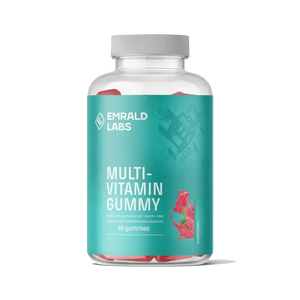
Multivitamin Gummy
A daily multivitamin is a simple way to cover the basics alongside a balanced diet.
- May help support general immune health
- May help support general mood and wellbeing
- An easy daily option if tablets are not for you
What food can and cannot do
Worth being clear before anything else on this page: food does not treat anxiety. No diet, supplement or ingredient is a treatment for an anxiety disorder, and nothing here should replace medical care.
What the research does support is more modest and still worth knowing. Diet quality is associated with mental wellbeing at a population level, several nutrients have established roles in nervous system function, and some dietary factors reliably make anxious feelings worse. That is the territory this article covers.
If anxiety is affecting your daily life, that is a GP conversation. In Australia, Lifeline is on 13 11 14 and Beyond Blue on 1300 22 4636, both 24 hours.
What reliably makes anxiety worse
This is the more actionable half, and it gets less attention than the food lists.
- Caffeine. The clearest dietary factor. Caffeine can produce physical sensations that closely resemble anxiety: raised heart rate, jitteriness, restlessness. In people prone to anxiety it can trigger or worsen episodes. If you drink several coffees a day and feel anxious, this is the first thing to test.
- Alcohol. Helps in the moment and worsens things afterwards. It disrupts the second half of the night's sleep, and rebound anxiety the following day is well recognised.
- Poor sleep, which is not a food but interacts with everything here.
- Skipping meals. Low blood glucose produces shakiness, irritability and a racing heart, which is easily read as anxiety.
Removing what makes it worse is usually more effective than adding something that might help.
Nutrients with established roles
These have recognised functions in nervous system health. That is not the same as treating anxiety, and the distinction matters.
- Magnesium. Involved in nerve and muscle function. Some evidence for anxiety symptoms, mostly in people who are deficient.
- Omega-3 fatty acids. From oily fish. Some supportive research, and the trials are mixed.
- B vitamins, particularly B6, B12 and folate, which are involved in neurotransmitter synthesis.
- Vitamin D. Deficiency is common in Australia despite the climate, and is associated with low mood.
- Zinc. Involved in neurotransmitter function.
The honest framing: correcting a deficiency can make a real difference. Taking more of something you are not short of generally does not.
Does gut health affect anxiety?
It is an active research area and considerably less settled than the popular coverage suggests.
The gut and brain do communicate, and there is genuine research interest in how gut bacteria may influence mood. But most of the strong findings are from animal studies, human trials are small and inconsistent, and the field is a long way from being able to recommend a specific intervention for anxiety.
Eating more fibre and fermented food is worth doing regardless. Framing it as a treatment for anxiety is ahead of the evidence.
What actually has the best evidence
None of it is food, and we would rather say so on a page published by a supplement retailer.
- Psychological therapy, particularly cognitive behavioural therapy. The strongest evidence of anything here.
- Regular physical activity. Consistently supported, and it does not need to be intense.
- Adequate sleep. Both a cause and a consequence.
- Medication where indicated, which is a GP decision.
- Reducing caffeine and alcohol. The dietary changes with the clearest effect.
- Diet quality generally. Real, and further down the list than food-focused articles imply.
A supplement sits below all of these. It is a reasonable addition once they are addressed and a poor substitute for any of them.
When to seek help
If anxiety is persistent, interferes with work, study or relationships, causes panic attacks, or comes alongside low mood, speak to your GP. It is common and it is treatable, and dietary changes are not a substitute for treatment.
Lifeline 13 11 14. Beyond Blue 1300 22 4636.