























Carrying extra body fat may significantly disadvantage anyone, regardless of their sport or athletic endeavors. One of the best ways to feel and perform at your best is by achieving a healthy body fat level for you. This is unique to every individual and works in conjunction with so many other essential bodily functions. Increased levels of body fat may even have a negative psychological effect in some individuals. Exercise or dieting alone is ineffective over the long run therefore a combination of both is ideal to achieve the required outcome. Dieting alone may result in lean body tissue loss, whereas combining diet with exercise may support improvements in strength, cardiorespiratory endurance, speed, power and flexibility. The key is a combination of dieting and exercise and achieving a negative energy balance.
Key points
- Combine diet and exercise. The key is combining dieting and exercise and achieving a negative energy balance.
- Go slow and steady. Aim for a loss of no more than 0.5-1.0kg body weight per week.
- Prioritise protein. Ensure adequate protein intake in most meals and snacks.
- Plan ahead. Planning your food and scheduling your training is the key to dietary success.
- Track properly. Monitor body fat and composition regularly, not just weighing scales.
Important: General guidelines suggest caloric intake should not drop below 1500-1700 calories for women and 2000-2200 for men and a target loss of 0.5 kg to 1.0 kg per week is adequate and achievable for most individuals.
The fat didn't get there overnight so it's not going to come off overnight either. Substantial amounts of body mass cannot be lost without losing marked amounts of LBM, particularly with caloric restriction. A caloric deficit of 3500kcal equates to fat loss of roughly 0.45 kg therefore an average fat loss of 0.5 to 1.0 kg per week represents a caloric deficit of 500-1000kcal per day. That caloric deficit can be achieved via increased aerobic exercise (+30min/day) & decreased caloric intake (-500kcal/day) or any combination of both. The aim is to consume food that has high nutrient density and low energy density.
The most effective way to lose weight or body fat is to:
Aim for a slow steady loss of no more than 0.5-1 kg body weight per week - a loss of lean muscle tissue may occur if weight loss is more rapid than this.
Plan food intake for the day to complement - avoiding large periods without food or a large intake of food at one time.
Consume the majority of the carbohydrate intake around the time of exercise - avoiding large servings late in the evening.
Ensure adequate protein intake in most meals and snacks. Protein has a high satiety (fullness) value and may help support lean body mass as part of a balanced diet and exercise program.
Decrease consumption of saturated fats, excess refined sugars and alcohol, all of which provide the highest kilojoule content for the lowest nutrient value.
Change poor eating habits such as eating when bored, stressed, depressed, celebrating, or merely due to habit, social occasions or other "environmental" reasons.
Modify or include additional training sessions if necessary.
Monitor body fat/composition levels regularly using not just weighing scales.
Drink mostly water to quench thirst, and use sports drinks and other sweet beverages sensibly - during and after training sessions and games.
Eat straight after training; this may prevent overeating later in the day.
Use low fat dairy products.
Trim excess fat from meat and grill.
Getting ready to take control of your food
Planning is the key to dietary success, as such, taking some time to help prepare for the next few weeks is key to help you move closer to your weight loss goal. Over the next few days, make sure you allocate some time to work through the following steps.
1) Clear out the cupboards
If it is not there, you cannot eat it so it is time to throw away all the tempting treats that could distract you from your weight loss goals.
2) Stock up on supplies
Make time to get to the supermarket and order all the ingredients for the meals and snacks you will need for the plan, try for the next week at least.
3) Set your goal
You may like to lose 5kg or 10kg or simply implement a strong exercise and diet plan but whatever your goal, write it down and make sure it has a clear outcome.
4) Recruit your supporters
The more people around you who will help you to stay on track, the more likely you will succeed. Let your closest friends and family know of your commitment to this program and ask for their help and support to keep you focused.
5) Develop laser beam focus
Weight loss programs fall by the wayside because we let them. Committing with laser beam focus to do whatever you need to do to keep on track is a powerful mindset. This distinguishes those who work and get the results they want, from those who lose focus and find excuses. Make this the program that helps you find your focus.

How to stay motivated and Stay on Track
- Train with a friend each week.
- Factor in a meal off each week for special occasions or eating your favourite foods.
- Write down your diet and exercise goals and reflect on them regularly.
- Involve your friends and family in your diet and exercise program.
- Get rid of the 'all or nothing' attitude to food and exercise and get back on track immediately if you fall of the rails.
- Spend time planning your food and scheduling your training programs.
- Check your weight once each week to monitor progress.
- When you feel off track, don't think about it, get up and do something that will help move you towards your goals.
- Read motivating health and lifestyle books.
- Each day, reflect on what you have done well, and what you can do better tomorrow.
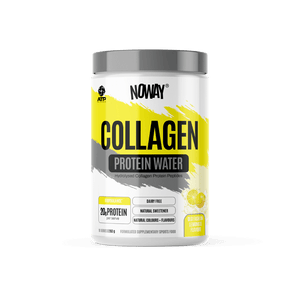
1 serve 20 minutes post training for best results.
How fast can I realistically lose fat?
Around 0.5 to 1.0 kg per week is the range most people can sustain without losing muscle or becoming miserable. Carrying more body fat generally means the upper end is achievable; being already lean means the lower end is more realistic.
Faster than that is usually water and muscle rather than fat, and it comes with the fatigue and hunger that end diets. Losing 10 kg is a three to five month project, not a six-week one.
Any plan promising 5 kg in 10 days is promising water weight and a rebound.
How do I lose fat and keep it off?
The keeping-it-off part is where most approaches fail, and the research on it is fairly consistent.
- Use a deficit you could hold for months, not the largest one you can tolerate for a fortnight. Slower loss you sustain beats faster loss you abandon.
- Keep protein high throughout. Preserves muscle, which protects your metabolic rate.
- Resistance train the whole way through. Same reason.
- Do not treat it as a phase with an end date. The habits that lose the fat are the habits that keep it off.
- Plan the transition back to maintenance. Almost nobody does this, and it is where regain starts.
Going from significantly overweight to lean
Realistic, and the timeline is longer than the internet suggests.
Early progress is usually faster, partly because a larger body burns more energy and partly because the first few kilos include water. Progress slows as you get leaner, which is normal rather than a sign anything is wrong.
The mistakes that derail it are consistent: cutting too aggressively at the start, dropping protein, doing cardio only and losing muscle alongside fat, and treating any deviation as total failure.
If you have a substantial amount to lose, or any medical condition, involve your GP. It is also worth knowing that medically supervised options exist and are appropriate for some people.
What burns fat quickly?
Nothing does, in the sense the question implies, and that is the honest answer.
What produces the fastest sustainable rate is unglamorous: a moderate deficit, adequate protein, resistance training, daily movement and enough sleep. Every legitimate approach is a way of achieving those five things.
Anything promising to bypass them is selling water weight, a short-lived result, or both.