


















Protein is the part of a weight-loss diet most people get wrong, and it is usually the easiest part to fix.
This guide covers what high-protein eating looks like in practice: the foods worth building meals around, how to spread protein across a normal Australian day, and where a powder or bar genuinely helps rather than just adding cost.
Key points
- High-protein eating is a pattern, not a product. Most of it comes from ordinary food.
- Spreading protein across the day is usually easier to sustain than loading it into one meal.
- Protein-rich meals tend to be more filling, which makes an eating plan easier to stick to.
- A powder or bar is a convenience tool for the meals where cooking is not realistic.
- Targets are individual. A dietitian can set one for your body weight and training load.
What does a high-protein diet actually mean?
A high-protein diet simply means a larger share of what you eat each day comes from protein-rich foods, with the rest made up of carbohydrates and fats. It is a shift in emphasis rather than a separate category of eating.
In practice that usually means protein appears at every meal instead of only at dinner. The Better Health Channel notes that the human body cannot store protein and will excrete any excess, so the most effective way of meeting your daily protein requirement is to eat small amounts at every meal.
It is not the same as low-carb
High-protein and low-carb often get used interchangeably, but they are different choices. You can raise your protein while keeping carbohydrates in, and many people find that easier to sustain alongside training.
Which foods are highest in protein?
Most of the protein in an Australian diet comes from a short list of everyday foods. Building meals around these is more effective than tracking every ingredient.
- Meat and poultry. Chicken breast and thigh, beef mince, lamb, pork.
- Fish and seafood. Tinned tuna and salmon are the cheapest reliable options.
- Eggs. Cheap, quick, and work at any meal.
- Dairy. Greek yoghurt, cottage cheese, milk and regular cheese.
- Legumes. Chickpeas, lentils, kidney beans and baked beans.
- Tofu and tempeh. The main plant-based staples if you do not eat meat.
- Nuts and seeds. Useful, though these carry more fat than protein.
Plant-based eating
If you eat little or no animal protein, variety matters more. Combining legumes, soy foods, grains, nuts and seeds across the day covers the range better than relying on any single food.
How much protein should I eat in a day?
There is no single number that suits everyone. healthdirect notes that the amount of protein you need depends on your age, sex and stage of life.
Important. An Accredited Practising Dietitian can set a protein target for your circumstances. If you have kidney disease or another medical condition, speak to your GP before making a significant change to how much protein you eat.
A simpler starting point than a target is a habit: include a protein food at every meal, then see how the rest of the day falls into place.
What does a high-protein day look like in practice?
The most useful version of this is not a meal plan you follow exactly, but a shape you can repeat with whatever is in the fridge.
- Breakfast. Eggs on toast, or Greek yoghurt with fruit and seeds.
- Lunch. Leftover dinner protein with salad or a wrap.
- Snack. Cottage cheese, a boiled egg, tinned tuna or a protein bar.
- Dinner. A palm-sized portion of meat, fish, tofu or legumes with vegetables and a carbohydrate.
Cook once, eat twice
Cooking extra protein at dinner is the single most practical habit here. It turns tomorrow's lunch into an assembly job rather than a cooking job, which is usually what decides whether a plan survives a busy week.
Do I need a protein powder?
No. Protein powder is a convenience, not a requirement. Whole food covers it for most people most of the time.
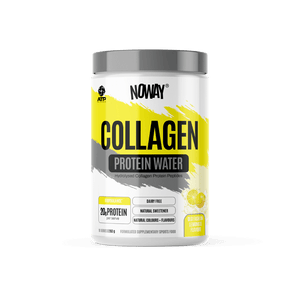
Where a powder earns its place is the gap meals: straight after training, on mornings when there is no time to cook, or when you are travelling. A shake is quick and portable in a way that a cooked meal is not.
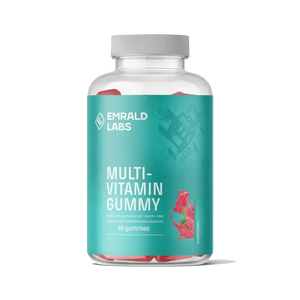
If that sounds like your week, our weight loss protein powder range is the place to start, and the low carb protein bars cover the same job without a shaker.
Can I eat more protein without eating more overall?
Yes, and this is usually the more useful question. Raising protein does not have to mean adding food on top of what you already eat.
The straightforward version is substitution: swapping part of a meal for a protein-rich option rather than adding a serve. Swapping a sugary yoghurt for a plain Greek yoghurt, or building a sandwich around tuna instead of a spread, changes the balance without changing the size of the meal.
Protein-rich meals tend to be filling
Meals built around protein generally feel more satisfying than meals that are mostly refined carbohydrate. That is worth knowing because it makes an eating plan easier to stay on, which matters far more over months than the exact composition of any one meal.
Sources
Sources are cited for the general health information in this article. They do not endorse any product or brand.