




















Hoping to lose a few extra kilos before summer starts? Or make sustainable, long term changes to your lifestyle to achieve and maintain your ideal weight? What’s most important to understand is that weight loss requires commitment and dedication, and expecting ‘fast’, healthy results isn’t realistic.
Below we cover how you can lose weight sustainably, including the three key levers, weight loss approaches, and even weight loss supplements. Kickstart your healthy weight loss journey here.
Why most diets fail (the data)
If you’ve tried a fad diet to lose weight before, chances are, it failed or had some pretty disappointing long-term results. Research has found when dieting, a common scenario is that after losing 10% of their body weight, a person will regain most of it within one year, and all of it within five years.
What a lot of people don’t realise is that the fad diets you see online cast a wide net and are targeted at the general population, without accounting for different body types, diets, or lifestyles. In other words, they’re not made specifically for your body or eating habits.
Understanding the three levers of weight loss
There are three key levers of weight loss that when combined, may help you manage your weight sustainably. Each target a different part of your lifestyle, from diet, to physical activity, to mindset and it’s important to understand them before getting into your weight loss journey so you can maximise your chances of success.
Lever 1: Calorie deficit
This refers to your diet, specifically eating less calories than you burn during your day-to-day. The total amount of calories you burn a day include the amount of energy (measured in calories) expended just to keep your body operating, as well as any more burned for daily activity and exercise. Together, this total number of calories burnt is called your Total Daily Energy Expenditure (TDEE).
For weight loss, the key is to consume less calories than your TDEE, and you can do this by eating less calories than your current TDEE, or increasing your TDEE with more daily exercise and keeping your current calorie intake. You can also combine both for more desired weight loss effects.
It can be difficult to decrease your calorie intake or increase your TDEE substantially, so it’s always best to make incremental but still meaningful changes. For example, switching to low-calorie substitutes of your frequently-eaten foods, or increasing your daily movement by half an hour a day can still make a difference. This way, you can gradually make bigger changes and commit to a more long-term and sustainable weight loss regime.
Lever 2: Increasing energy expenditure
As mentioned above, another important lever to long-term weight loss is increasing energy expenditure in a sustainable way. The simplest way to do this would be to increase your daily exercise. For healthy adults, health authorities like the World Health Organisation recommend at least 150 to 300 minutes of moderate-intensity aerobic activity, or 75 to 150 minutes of vigorous-intensity activity, per week. This breaks down to about 30 minutes a day, five days a week, and increasing such movement incrementally can add to your energy expenditure and help with your weight loss journey, especially if your calorie intake remains the same.
Also bear in mind that some exercises burn more calories than others, so it may be helpful to focus on these activities if you’re looking to lose visible weight. These exercises include:
-
Running/jogging
-
Cycling
-
Jump rope
-
Swimming
-
Aerobic dance
If exercise isn’t as accessible for you, increasing general movement can also help with weight loss. Activities like walking 10,000 steps a day, standing instead of sitting, and choosing to walk the stairs are a step in the right direction when it comes to weight loss.
Lever 3: Consistency > everything else
Arguably, the hardest thing about weight loss is having the right mindset. For a sustainable weight loss journey, results don’t come in a week, they come after months of hard work and dedication. Hence, it’s important to have the right expectations going into your weight loss journey, understand that progress is not always linear, and to stay consistent as much as possible.
In fact, it’s even been reported in the news that ‘to achieve your weight loss goals, be consistent.’. Studies suggest that slowly but steadily shedding pounds each week can be more beneficial for long-term weight loss, rather than seeing your weight drastically drop, only to rise again. Once again, it’s important to understand the consistent, sustainable habits and changes to your diet and energy expenditure is integral to long-term weight loss.
Realistic weight loss timelines
Setting realistic goals and timelines is another key element of sustainable weight loss. According to research from CSIRO (Australia’s National Science Agency), 64% of people lose clinically significant amounts (>5 per cent) of weight after a year, with a sustained average weight loss of 11.9% of starting body weight. And that’s only after strict weight loss programs including weigh ins, food diaries, menu plans and exercise plans. This means that losing weight requires commitment and time, with the most significant results occurring after at least a year of consistently trying to lose weight.
Lose weight with an approach that works for you
As with everything in health, there is no one-size-fits-all. A weight loss plan that works for your friend may not work for you. As such, it’s important to find a weight loss approach that your body responds to, and not be afraid to keep experimenting until you land on a plan that does.
To start with, here are a couple of baseline strategies that you can try and adjust according to what works best for you. Rest assured, they’re recommended by the Royal Australian College of General Practitioners (RACGP) so you can trust their effectiveness:
-
Keep to a regular meal routine (eat at roughly the same time everyday, whether that’s two or five meals a day)
-
Reduce fat in foods where you can and cut out high-fat foods as much as you can
-
Choose to walk and move as much as possible (taking the stairs, walking 10,000 steps a day, standing instead of sitting)
-
Eat healthy snacks (e.g. fruits, yoghurt, nuts)
-
Learn the labels on foods (so you know exactly what you’re putting in your body)
-
Caution with your portions (limit the size of your meals and don’t overeat)
-
Prioritise drinking water over any other drink (stay away from high-sugar/high-calorie drinks like juices and alcohol)
-
Slow down and focus while eating (try not to eat while watching tv where you may overeat on autopilot)
-
Make sure to eat at least 400g of vegetables and fruit everyday
Weight loss supplements and whether they help
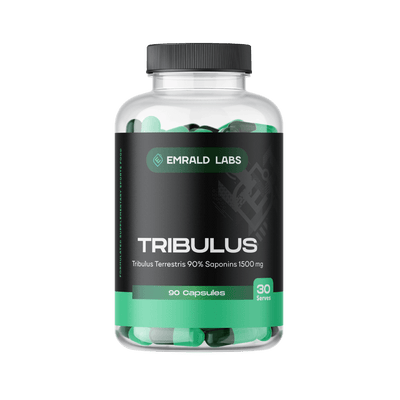
According to the Therapeutic Goods Association (TGA), some weight loss supplements may support weight loss when combined with eating a healthy balanced diet and increasing physical activity. Although certainly not a ‘magic bullet’, they may complement weight loss plans and are generally safe to take. A lot of supplements are regulated by the TGA and have an AUSTL number (or occasionally an AUST R number) on the label, so you know they are safe and legally supplied in Australia.
If you’re looking to try supplements to help you on your weight loss journey, consider:
Frequently asked questions
Below we answer some frequently asked questions regarding sustainable weight loss.
What is the fastest way to lose weight sustainably?
There is no ‘fast’ way to lose weight sustainably. Sustainable weight loss results from building long-term healthy habits. A modest calorie deficit with increased movement can help with weight loss but short-term, ‘fast’ weight loss is never recommended.
What is the 3-3-3 rule for fat loss?
The 3-3-3 rule is a social media fitness term with no clinical evidence, but it refers to:
-
3 strength sessions + 3 cardio sessions + 3 rest/recovery days per week
-
3 meals a day, each with roughly 3 food groups (protein, carb, fat/veg)
-
Eating within 3 hours of waking, 3 hours before bed, spaced ~3 hours apart
What’s the worst carb for belly fat?
There is technically no ‘worst carb’ that targets belly fat but foods that are clinically linked to increased visceral (belly) fat include:
-
Sugary drinks (soft drinks, juice, sweetened coffee)
-
Refined carbs (e.g. pastries, white bread, processed snacks)
How to lose 10kg sustainably?
There is no one ‘right’ way to lose 10kg sustainably, but some methods include:
-
Calculating your maintenance calories, then eating below it
-
Prioritising protein and fiber to stay full
-
Lifting weights so you retain muscle as the number drops
-
Tracking progress with more than the scale (photos, measurements, how clothes fit) as weight fluctuates day to day
-
Expecting the last few kilograms to be slower to lose that's normal, not a sign something's wrong