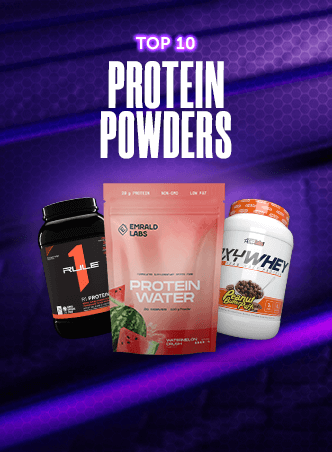



















A meal replacement and a protein shake look almost identical in the shaker, and they are built to do completely different jobs.
This guide covers the difference, when each one is the sensible choice, what is worth reading on the label, and how to use them without ending up living on shakes.
Key points
- A protein shake tops up protein. A meal replacement is designed to stand in for a whole meal.
- Meal replacements carry a broader nutrient profile because they are replacing more than protein.
- The best choice is the one that fits the meal you actually struggle with.
- Shakes work best alongside normal meals, not instead of all of them.
- Check the ingredients list and the serve size, not just the front of the tub.
What is the difference between a protein shake and a meal replacement?
A protein shake is mostly protein. It is designed to top up the protein in a day that is already otherwise covered.
A meal replacement is built to stand in for a whole meal, so it carries carbohydrates, fats, fibre and a broader spread of vitamins and minerals alongside the protein.
Why the difference matters
If you skip lunch and drink a plain protein shake, you have had protein but not a meal. That is fine occasionally and less useful as a daily habit. A meal replacement is formulated for exactly that slot.
Which one should I use?
Start from the meal you actually struggle with rather than from the product.
- You eat well but fall short on protein. A protein powder is the simpler and cheaper answer.
- You regularly skip a meal entirely. A meal replacement is the closer match.
- You want something straight after training. A protein shake is the usual choice.
- You want portion control at one predictable meal. A meal replacement gives you a fixed serve.
You can browse both: weight loss protein powder for the first case and meal replacement shakes for the second.
What should I look for on the label?
The front of a tub is marketing. The panel on the back is the product.
- Serve size. Compare products on the same serve size, not per tub.
- Protein per serve. The headline number is usually quoted at a specific scoop size.
- The ingredients list. It runs in descending order by weight, so the first few entries tell you most of the story.
- Fibre. Relevant on a meal replacement, because it is standing in for a meal.
- Allergens. Dairy and soy are the common ones. Check if that matters for you.
Taste and mixability are not trivial
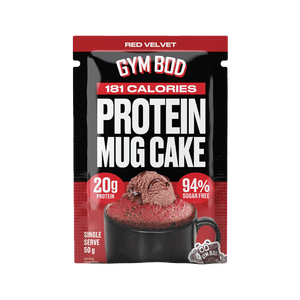
A tub you do not enjoy drinking is a tub that sits in the cupboard. If you are unsure, single serves are a cheaper way to find out than a two kilogram tub.
Can I replace more than one meal a day with a shake?
It is not the approach we would suggest as a default. Shakes work best around normal meals, filling the gaps where cooking is not realistic, rather than replacing most of what you eat.
Important. If you are considering replacing most of your meals, or you are managing a medical condition, speak to your GP or an Accredited Practising Dietitian first. That is a decision to make with a professional, not off a label.
The practical case for shakes is narrower and more durable: one meal a day where you would otherwise skip it or grab something on the run.
Are low-carb shakes better for weight loss?
Not automatically. A lower-carbohydrate shake suits people who are already eating a low-carb or keto pattern and want a product that fits it.
If you are not eating that way, a lower-carb shake is not doing anything special for you, and the carbohydrate in a standard shake is not a problem in itself.
If low-carb is the pattern you follow, our low carb protein powder range is filtered for it.
How do I use a shake without getting bored of it?
Boredom is the most common reason a tub gets abandoned, and it is easy to design around.
- Blend rather than shake. Adding frozen banana, berries or oats changes the texture completely.
- Rotate two flavours. A single flavour for two kilograms is a long commitment.
- Use it in food. Stirred through oats or yoghurt, not only in a shaker.
- Keep one at work. The shake you have with you is the one you actually drink.