























Aging prematurely sucks - especially when the signs appear while we are still young. Don't get me wrong, I'm not only talking about sagging skin, fine lines and wrinkles! We all want to age gracefully like a fine wine, however, in today's society we are seeing more and more people aging before their time due to chronic stress in skin and hair health, hair loss, and thinning, hormone levels, digestive and gut health issues, a lack of energy, mood changes, injuries and brain-related concerns Scary stuff!
We will focus on the main stress hormone... Cortisol. This steroid hormone is produced by the adrenal glands and is vital for our survival, however in modern times our bodies seem to be cranking it out like crazy, leading to our cortisol levels snowballing, and putting us at risk of premature ageing. Don't stress (literally), I will give you my personal recommendation on supplements that may benefit you and help you to sustain your vitality (for life).
Let's delve into some more interesting info. Many studies have revealed that the stress hormone cortisol accelerates the aging of several organs including the brain, skin, arteries, bones and muscle. It may also have a negative impact on both nerve conduction and immune function;.
Key points
- Cortisol drives aging. Studies link the stress hormone to aging of the brain, skin, arteries, bones and muscle.
- Stress hits your skin. It deteriorates skin barrier function and can bring on fine lines and wrinkles.
- Late nights matter. They disrupt the regenerative capacity of a restful night.
- Free steps help. Daily exercise, earlier nights with morning sunlight, meditation and less blue light before bed.
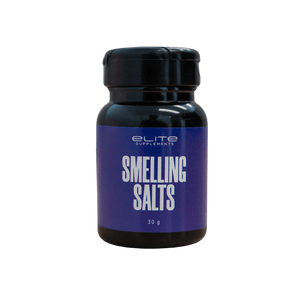
- Supportive supplements. Adrenal Switch and Cort RX may help support general wellbeing.
Wrinkles and saggy skin!
Psychological stress deteriorates skin barrier function and cell turnover through increased local production of cortisol in the epidermis. The greater the perceived stress, the worse the skin performs. [4] Added stress may also affect the appearance of skin elasticity and contribute to visible signs of aging. (which can lead to those pesky fine lines and wrinkles showing up prematurely).
Why is this happening?
While the mechanisms explaining how cortisol accelerates the aging process are still not entirely understood, the effects are believed to be mediated via epigenetic processes (basically this means how the environment around us impacts on our genes and DNA). [1] This emerging field of genetic and epigenetic research is super exciting because we are now able to have an insight into our own genetic makeup, and with this insight we can then predict certain diseases we may be genetically susceptible to and take active measures against them.
Losing our minds?
The stress of day-to-day life is sufficient enough to induce epigenetic changes leading to altered gene expression (certain genes being turned on or off), which can really mess with our health and longevity. At this stage it is known that chronic stress has been studied in relation to changes in memory and cognitive function over time. [2] Elevated cortisol has been studied in relation to age-related cognitive changes. [6]
Sleep. Is good.
Just as cortisol affects sleep, sleep will affect cortisol. But not just any old sleep will do the trick. Late nights, rather than a general lack of sleep, are what disrupt the regenerative capacity of a restful night. Disturbed sleep may affect how rested and refreshed you feel the next day.[3]
So what can we do?
Okay so here are some free steps we can do to lower our cortisol reduce stress and maximize our youthful glow.
- Daily exercise! We all know it's good for us, and there are many ways to get that 30 minutes in! This can be anything that elevates the heart rate.... Wink?
- Go to bed before 10pm, wake up earlier and expose yourself to morning sunlight. This may help support a healthy sleep-wake cycle and general wellbeing throughout the day. As a bonus, it feels great to get things done early! As they annoyingly say, 'the early bird catches the worm'.
- Get your OM on (you don't have to actually OM). Meditation. It's becoming a big thing. I've seen entire offices dedicate 30 minutes a day to mindful meditation. The studies behind this are unreal! There's even an app you can download called 'calm' and it's incredible for beginners or those who might not know where to start.
- This one is hard but... Don't expose yourself to blue light right before bed. That means your computer screen, phone screen... All of them. It may interfere with your ability to wind down and get a restful night's sleep., which can then diminish our chances for a restful nights' sleep. I tell many of my clients to read a book before bed. It works!
What can I take?
Luckily we live in an amazing age of many scientifically backed supplements that can be absolute life savers in this case!
Here are some supplements that may help support general wellbeing as part of a balanced lifestyle.
- Adrenal Switch by Switch Nutrition: Not only does this have a whopping 300mg magnesium citrate per serve, it also packs a high dose quality adaptogen called Ashwagandha, a well-known adaptogenic herb traditionally used to support general wellbeing and heaps of other amazing ingredients that all work together beautifully. To top it off, it tastes amazing. This is PERFECT before bed to really give you a restful sleep, waking up refreshed and ready to go. This product comes in an array of flavors and is genuinely delicious. I go for the chocolate mixed in hot water;)
https://www.elitesupps.com.au/products/adrenal-switch
- ATP Cort RX: Cort RX is a capsule supplement made up of around four different adaptogens. This product is quite versatile. If you are struggling with sleep, take two with dinner and two before bed. The most common way to use it is to take three capsules throughout the day, one with brekky, one with lunch and one with dinner. This product is formulated with adaptogenic herbs traditionally used to support general wellbeing and a balanced stress response.
These products contain ingredients traditionally used to support general health and wellbeing., they may help support general energy and vitality as part of a healthy lifestyle, mood, energy, focus and of course, help us to sustain our vitality for as long as possible.
References (because we make sure we provide the latest scientific evidence)
- S. Zannas et al. 2016 Life stress, glucocorticoid signaling, and the aging epigenome: Implications for aging-related diseases, 'Neuroscience and Behavioral Reviews' Vol. 74 Part B
- J. Lupien et al. 1998 Cortisol levels during human aging predict hippocampal atrophy and memory deficits, 'Nature Neuroscience'
- Leproult, E. V. Cauter, G. Copinschi 1997 Sleep loss results in an elevation of cortisol levels the next evening, 'Sleep' Vol. 20 No. 10
- Garg et al. 2001 Psychological Stress Perturbs Epidermal Permeability Barrier Homeostasis, 'JAMA Dermatology' Vol 137 Issue 1
- Born, S. Muth, H. L. Fehm 1988 The significance of sleep onset and slow wave sleep for nocturnal release of GH) and cortisol, 'Psychoneuroendocrinology' Vol. 13 Issue 3
- G. Csernansky et al. 2006 Plasma Cortisol and Progression of Dementia in Subjects With Alzheimer-Type Dementia, 'The American Journal of Psychiatry' Vol. 163 Issue 12