














The New Fancy Alternative Milks
We looked at the common dairy free milk alternatives and what they were comprised of, but what about the new 'extra' alternative milks?
Key points
- Hemp milk. One of the more nutritionally valuable alternative milks, with a full protein source.
- Flax milk. Lower calorie and contains essential fatty acids.
- Pea milk. Protein and fat similar to cows milk, but with no carbohydrates.
- Cashew milk. One of the tastiest, but does not offer much in the way of nutrients.
- Walnut milk. A higher-calorie option that boosts your intake of omega-3s.
Hemp Milk
Hemp Milk is surprisingly one of the more nutritionally valuable milks available in the alternative market. Made by blending mulled hemp seeds with water this milk contains high amounts of calcium, vitamins and essential fatty acids. It contains a full protein source and is average in calories. The downside, It has little to no fibre and the extreme nutty taste can be off-putting to some.
Flax Milk
An interesting one that's not commonly seen. Flax milk is lower calorie and contains essential fatty acids that come from obviously the flax seeds. The issue with flax milk is that most store bought versions are made from water, flaxseed oil and pea protein to try give it more nutritional value which seems far from a natural flax milk.
Pea Milk
An interesting new one! Pea milks are made from pea protein giving it a similar nutritional content to that of cows milk in terms of protein and fat, but has no carbohydrates. It's high in potassium and has more calcium than cows milk. Unlike the others pea milk doesn't have the nutty taste but can be as creamy as soy milk due to the additives. Most contain things such as sunflower or algal oils to create a better texture.
Cashew Milk
Although one of the tastiest, cashew milk, unfortunately, doesn't offer much in the way of nutrients. It's made in a similar way to almond and has a similar nutritional breakdown with very low calories and most of these come from fat.
Walnut Milk
A surprisingly high-calorie option milk with an earthy taste. A good way to boost your intake of omega-3s and contains a decent amount of plant-based protein per service. These are hard to find and not yet very common.
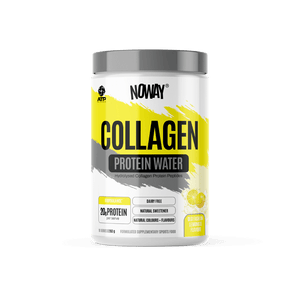
Looking to add a fancy different protein to go with your fancy milk? Check out these awesome products:
Obvi Super Collagen Protein
Collagen is a structural protein found throughout the body and is a popular ingredient in daily supplement routines. With added ingredients such as Biotin, Vitamin E &C, Calcium, Iron, and Magnesium, formulated to support your daily health and wellbeing routine.
ORDER HERE-->
Switch Nutrition Protein Switch
Protein Switch is a carefully selected blend of organic sprouted vegan proteins

chosen to provide the best amino acid profile possible. Switch Nutrition wanted to make sure their protein (24g per serve) was highly absorbable, tasted great and was not gritty like many other vegan proteins. To achieve this, we use Smooth Protein from organic sprouted pumpkin seed and sprouted watermelon seed.We also use organic sprouted hemp seed protein as a complete source of highly digestible essential amino acids (EAAs).
ORDER HERE-->
A plant based protein
The wholesome protein goodness inside this recycled tub contains an

unparalleled formulation of the finest 100% sustainable raw ingredients to bless your body. High performance plant protein superfood with smooth, delicious flavors that will send your tastebuds to heaven. Pure Golden Yellow Pea Protein Isolate. Unlike other plant-based products, we ONLY include one source of the highest quality pea protein, making it easier for you to digest. Zero artificial additives, sweeteners, grit or enzymes. 100% sustainable raw ingredients, No blends & 100% real pea protein!
ORDER HERE-->
Did you miss our first blog post about dairy-free milk alternatives? You'll find it here: Dairy-Free milks - The Alternatives
Which dairy-free milk should I actually choose?
Depends what you want it for, and they are not interchangeable.
- For protein: soy. It is the only common plant milk with protein comparable to dairy, at roughly 3 to 4 g per 100 ml. Most others have almost none.
- For coffee: oat. It steams and foams best, which is why cafes use it.
- For low calories: unsweetened almond. Very light, and also very low in protein.
- For cooking: unsweetened soy or oat. Neutral enough not to interfere.
- For taste: entirely personal, and worth trying a few.
The most common mistake is swapping dairy for almond milk and losing a protein source without replacing it. If you drink a lot of milk, that adds up.
What to check on the label
- Is it fortified with calcium? Many are not, and dairy is a major calcium source. Look for around 120 mg per 100 ml to match cow's milk.
- Added sugar. "Original" versions are frequently sweetened. Unsweetened is usually the better default.
- Protein per 100 ml. The number that varies most between products.
- Iodine and B12, if you avoid dairy entirely. Less commonly fortified, and both matter.
Is oat milk unhealthy?
No, and the recent backlash overstates the case.
The criticism is that the enzymatic process which makes oat milk creamy also breaks starch into simpler sugars, so it has a higher glycemic response than some alternatives and more carbohydrate than almond milk. That is accurate.
In context it matters little for most people. A splash in coffee is a small amount of carbohydrate. If you drink large glasses of it, or are managing blood glucose, it is worth knowing. Otherwise it is a reasonable choice, and the fact that it works in coffee is a real advantage over the alternatives.
Which is closest to dairy milk?
Soy, nutritionally, and it is not close. It is the only common plant milk that matches dairy on protein, and fortified versions cover calcium and B12.
For taste and texture in coffee, oat is closest. For everything else, soy.
The old concerns about soy and hormones in men have not held up in the research, and are worth setting aside.