

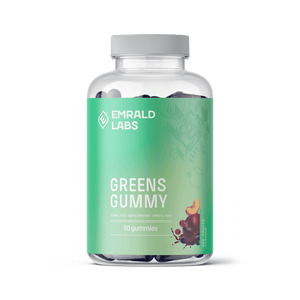

















A frozen banana and blueberry smoothie with two scoops of Amino Energy through it. Around 179 calories, and about two minutes of work.
It has more calories and more behind it than a can of the same thing, which is the reason to make it.
Key points
- Five ingredients. Two minutes in a blender.
- 179 calories. 3 g protein, 34 g carbohydrate.
- Frozen fruit. Both the banana and the blueberries.
- 30 minutes before training is the suggested timing.
- Any flavour works. Match the fruit to the powder.
Ingredients
- 2 scoops Amino Energy in Blue Raspberry
- 1 small frozen banana
- 1/2 cup frozen blueberries
- 1 cup unsweetened almond milk
- 1 cup ice
Method
- Blend all the ingredients until smooth.
- Top with a few extra berries and serve.
Drink it about 30 minutes before training. Frozen raspberries with the Watermelon flavour is another combination worth trying.
Macros
- Calories 179
- Protein 3 g
- Fat 4 g
- Carbs 34 g
Is Amino Energy a healthy energy drink?
Healthier than most, and worth understanding what it actually is rather than what the category name implies.
What it has going for it: it is low in calories, has no sugar, and its caffeine comes at a moderate dose from green tea and green coffee extract rather than the higher doses in many energy drinks. The amino acids are a genuine inclusion rather than a dusting.
What it is not: a health drink. It is a flavoured caffeine and amino acid powder. The amino acid content, while real, is modest compared with a proper protein serve, which is why this smoothie only carries 3 g of protein despite two scoops.
If you want a low-calorie flavoured drink with some caffeine, it does that job well. If you want protein, this is not how to get it.
Is it okay to drink Amino Energy every day?
For most healthy adults, yes, with the usual caffeine caveats.
The thing to watch is your total daily caffeine rather than this product specifically. Australian guidance puts around 400 mg a day as a reasonable upper limit for most adults, and it adds up faster than people expect once you count coffee, tea, pre-workout and any energy drinks.
Worth knowing:
- Caffeine has a long half-life. Roughly five to six hours, so an afternoon serve can still affect your sleep.
- Tolerance builds. The effect diminishes with daily use, which is why some people cycle off periodically.
- Sensitivity varies enormously. Genuinely, between people. Use your own response over any guideline.
If you are pregnant or breastfeeding, sensitive to caffeine, or have a heart condition, high blood pressure or anxiety, speak to your GP first.
Do the amino acids do anything?
Less than the name suggests, and we would rather say so.
BCAAs and EAAs are amino acids already present in any complete protein. If you eat enough protein across the day, you are getting them, in better proportion and in far larger amounts. Research comparing amino acid supplementation against adequate whole protein has generally not shown an added benefit.
What Amino Energy genuinely provides is caffeine, flavour, and very few calories. That is a reasonable thing to want. The amino acids are not the reason it works for people.
Which flavour is best?
Entirely personal, though there is a practical rule for smoothies: match the powder to the fruit rather than fighting it.
- Blue Raspberry with banana and blueberries, as here.
- Watermelon with frozen raspberries or strawberries.
- Fruit Fusion with mango or mixed tropical fruit.
- Avoid the sharper citrus flavours with banana. They clash.
The amino acid range has the alternatives if you want to compare flavours or brands.
Why frozen fruit rather than fresh?
Texture. Frozen banana is what makes a smoothie thick and creamy rather than thin and watery, and it is the difference between this and a flavoured drink.
Slice the banana before freezing. Whole frozen bananas are almost impossible to peel and hard on a blender.
Frozen blueberries are also usually better than fresh for this: cheaper, picked riper, and they blend more smoothly.
Can I make it higher in protein?
Yes, and it is a sensible change if you want it as a meal rather than a pre-workout drink.
Add a scoop of protein powder, or swap the almond milk for dairy milk or Greek yoghurt. Any of those takes it from 3 g to something that will actually keep you full.
As written this is a light, flavoured carbohydrate drink with caffeine. That is a fine thing to have 30 minutes before training, and it is not a breakfast.
Storage
Drink it straight away. It separates within the hour and the ice waters it down as it melts.
If you want to prepare ahead, freeze the fruit in portioned bags so all you do is tip one into the blender with the powder and milk.
For more like this, browse the full recipe collection.