





















A carrot cake baked in a loaf tin, made with almond meal and oats instead of flour, with collagen protein through the batter and a cream cheese frosting.
Forty to forty-five minutes in the oven. A dairy-free frosting option is included.
Key points
- No wheat flour. Almond meal and oats.
- Loaf tin. 40 to 45 minutes at 180C.
- Two frosting options. Cream cheese or whipped coconut.
- Grate the carrot finely. Coarse grating stays crunchy.
- Cool completely before frosting.
Ingredients
- 1 cup almond meal
- 1 cup quick oats (or quinoa or rice flakes for gluten free)
- 1/4 cup coconut sugar
- 1 tsp cinnamon
- 1 tsp allspice
- 1 tsp baking powder
- 1 tbsp psyllium husk
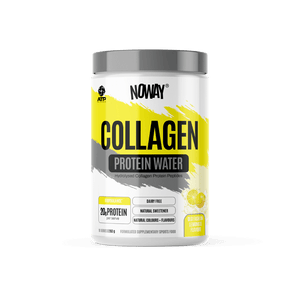
- 2 scoops vanilla Noway Protein
- Pinch of salt
- 2 eggs
- 1/2 cup milk of choice
- 2 tbsp coconut oil, melted
- 1 large carrot, grated
Whipped frosting
- 1/2 cup natural cream cheese
- 1 tbsp maple syrup
Dairy-free frosting alternative
- 1/2 cup coconut thickened cream
- 1 tbsp maple syrup
- 1 tsp vanilla extract
Whisk together until light and fluffy.
Method
- Preheat the oven to 180C and line a loaf tin with baking paper.
- In a large mixing bowl, add the almond meal, oats, coconut sugar, protein powder, cinnamon, allspice, baking powder and salt.
- In a separate bowl, whisk the eggs, milk and coconut oil together. Add the grated carrot and combine well.
- Pour the wet ingredients into the dry mixture and combine.
- Transfer the batter to the loaf tin and bake for 40 to 45 minutes, or until golden on top.
- In a small bowl, beat the cream cheese and maple syrup with an electric mixer for 1 to 2 minutes until light and fluffy.
- Once cooked through, remove the loaf from the oven and rest in the tin for 5 minutes. Transfer to a wire rack to cool.
- Once completely cool, spread the frosting over the loaf.
What is the secret to a good carrot cake?
Two things, and neither is an ingredient.
Grate the carrot finely. Coarsely grated carrot stays firm through baking and gives you crunchy strands in a soft cake. Fine grating lets it break down and release its moisture into the crumb, which is where the texture comes from. Use the small holes on your grater, not the large ones.
Do not skimp on the spice. This recipe uses cinnamon and allspice, and both earn their place. Carrot on its own is mild; the spice is what makes it taste like carrot cake rather than vegetable loaf.
If you want to go further, a teaspoon of grated fresh ginger or the zest of half an orange both work well in this batter.
What is the psyllium husk doing?
Holding the cake together, and it is doing more work than its quantity suggests.
There is no wheat flour here, so there is no gluten to give the loaf structure. Psyllium husk absorbs many times its weight in liquid and forms a gel, which does a similar job. It is a common technique in gluten-free baking.
Do not leave it out. Without it, an almond meal and oat loaf tends to crumble when sliced. If you have none, a tablespoon of ground chia or flaxseed is the closest substitute.
What are the common carrot cake mistakes?
- Coarse carrot. Covered above, and it is the most common.
- Frosting a warm cake. Cream cheese frosting slides straight off. Completely cool means completely.
- Overmixing. Combine until just incorporated. This batter does not need beating.
- Not enough carrot. One large carrot is the minimum here. Carrot is moisture as well as flavour.
- Checking too early. Almond meal browns before the centre sets, so colour is a poor guide. Use a skewer.
Is there such a thing as a healthy carrot cake?
Healthier, yes. Healthy, not really, and it is worth being straight about which this is.
What this version genuinely improves on: no wheat flour, a quarter cup of coconut sugar rather than the cup or more a traditional carrot cake uses, and almond meal bringing protein and fat rather than refined starch. It is more filling per slice as a result.
What has not changed: it is a cake with a cream cheese frosting. Almond meal is energy dense, and the frosting is cream cheese and maple syrup.
The reputation of carrot cake as a health food is one of the more persistent myths in baking. A carrot in it does not make it a vegetable serve.
What should you not mix with collagen?
Very little, and most of the warnings you will find are not supported.
The practical points:
- Very hot liquid is fine. Collagen is already hydrolysed, so it does not denature and clump the way whey does. Baking is fine, which is why it suits this recipe.
- Acidic liquids are fine. Unlike whey, collagen does not curdle in citrus or fruit juice.
- Vitamin C is a genuine pairing. Your body cannot synthesise collagen without it, which is why many collagen products include it.
Worth knowing: collagen is not a complete protein. It is low in tryptophan and short on several essential amino acids, so it does not replace whey or a plant protein if muscle is the goal. Two scoops across a whole loaf is a modest addition per slice in any case.
Can I make it dairy free?
Yes, and the recipe already provides the frosting alternative: whipped coconut thickened cream with maple syrup and vanilla.
For the loaf, use a plant milk and check your protein powder. Note that collagen itself is an animal product, so this is dairy free rather than vegan.
How long does it keep?
- Fridge. Up to five days once frosted, and it must be refrigerated because of the cream cheese.
- Freezer. Up to three months. Freeze unfrosted and slice first.
- Bench. Two days unfrosted, in an airtight container.
Like most carrot cakes, it is better on day two than day one.
For more like this, browse the full recipe collection.