














A high-protein, macro-friendly Biscoff cheesecake at around 190 calories per serve, created by Dez from @_aussiefitness.
It sets in the fridge, makes six serves, and tastes considerably better than the calorie count suggests. Recipe first, then the Biscoff questions people usually ask.
Key points
- High protein, macro friendly. Built to fit your goals rather than blow them.
- Light on calories. Around 190 per serve across six servings.
- Simple build. Blend, bake, then set in the fridge for an hour.
- Biscoff finish. Topped with a Biscoff drizzle and crushed biscuits.
- Make it ahead. Better on day two than day one.
The recipe
Per serve, across six servings, the approximate macros are 190 calories, 12 g carbohydrate, 8 g fat and 17.5 g protein.
Cake
- 150 g light cream cheese
- 150 g Greek yoghurt
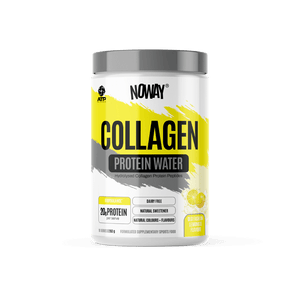
- 1 scoop vanilla protein powder
- 1 egg
- Sweetener to taste
Topping
- Biscoff spread, warmed so it drizzles
- Crushed Biscoff biscuits
Method
- Blend the cake ingredients until completely smooth. Lumps of cream cheese will not bake out.
- Pour into a lined tin and bake until just set with a slight wobble in the centre.
- Cool, then refrigerate for at least an hour. This is what gives it the cheesecake texture.
- Drizzle with warmed Biscoff and finish with crushed biscuits just before serving.
Is Lotus Biscoff low in calories?
No. Biscoff spread is a sweet spread with a similar energy density to other sweet spreads, and the biscuits are biscuits.
That is precisely why this recipe uses it as a topping rather than an ingredient throughout. A drizzle and a few crushed biscuits deliver the flavour without carrying the whole dessert. The cheesecake base does the heavy lifting on protein and volume.
Is Biscoff healthier than Nutella?
Neither is a health food, and the honest answer is that they are far more similar than different. Both are sweet spreads built on sugar and fat.
The differences that do exist are compositional rather than nutritional: Nutella is hazelnut and cocoa based, Biscoff is made from caramelised biscuits. Neither of those facts makes one meaningfully better for you.
If you are choosing between them, choose on taste and use whichever you prefer sparingly. Check the nutrition panel on the jar in front of you rather than relying on a general comparison, because formulations differ by market.
Is Biscoff healthier than peanut butter?
Natural peanut butter is the more nutritious of the two, and this is the one comparison where there is a clear answer.
Peanut butter with no added sugar or oil contributes protein and unsaturated fat. Biscoff is a confectionery spread: its fat and sugar are the point. They are not really the same category of food, even though they share a shelf.
That said, they are not interchangeable in a recipe either. Peanut butter will not give you the caramelised biscuit flavour this cheesecake is built around.
Is there a healthy alternative to Biscoff spread?
There is no like-for-like swap, because the flavour comes from caramelised biscuits and sugar. Anything that removes those removes the point.
What does work is using less of it, which is the approach here.
- Warm it before drizzling. It spreads much further, so you use less for the same coverage.
- Thin it with a little Greek yoghurt or milk. Keeps the flavour, cuts the density.
- Crush the biscuits finely. A fine scatter covers more surface than a few chunks.
- Add it at the end. Topping rather than mixing means you taste it more, so you need less.
Can I make it without protein powder?
Yes, though you will lose most of the 17.5 g of protein per serve, which is the reason the recipe exists.
Replace the scoop with two tablespoons of Greek yoghurt or ricotta for texture. Expect a softer set and a less structured slice.
How long does it keep?
Three to four days covered in the fridge. Add the Biscoff topping just before serving, because it softens and sinks into the surface overnight.
It does not freeze well. The texture goes grainy on thawing.
For more like this, browse the full recipe collection, or the protein range if you need a vanilla powder for the base.