




















A baked protein cookie made with almond meal and buckwheat flour, with collagen protein through the dry mix and a dark chocolate drizzle on top.
Makes about a dozen, takes fifteen minutes in the oven, and they keep for the best part of a week.
Key points
- Gluten free. Almond meal and buckwheat, no wheat.
- Fifteen minutes. In the oven.
- Collagen protein. Blends without the grittiness whey can bring.
- Dairy free base. Check the chocolate you drizzle.
- Keeps five days. Or three months frozen.
Ingredients
- 3/4 cup almond meal
- 3/4 cup buckwheat flour
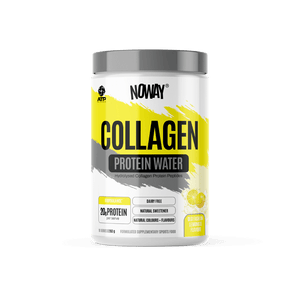
- 1 scoop Noway Protein, unflavoured or your preferred flavour
- Pinch of salt
- 1 egg
- 2 tbsp coconut oil, melted
- 3 tbsp maple syrup
- 1 tsp vanilla extract
- 40 g dark chocolate, melted, for decorating
Method
- Preheat the oven to 180 degrees and line a baking tray with baking paper.
- Place all the dry ingredients in a large mixing bowl and stir together.
- In a separate bowl, whisk the egg, coconut oil, maple syrup and vanilla together.
- Pour the wet ingredients into the dry and combine well.
- Spoon a tablespoon of mixture into a ball and flatten on the tray. Repeat with the remaining mixture.
- Bake for 15 minutes, or until golden.
- Cool on the tray for five minutes, then transfer to a wire rack.
- Drizzle or dip each cookie in the melted chocolate.
What makes collagen protein different in baking?
It behaves better than whey does, which is the main reason it suits this recipe.
Whey tightens and dries as it bakes, which is why protein cookies so often come out sandy. Collagen protein does not set the same way, so it blends into a dough without changing the texture as aggressively. It also has no strong flavour of its own in the unflavoured version.
The trade-off is nutritional. Collagen is not a complete protein. It is low in tryptophan and short on several essential amino acids, so it does not do the same job as whey for muscle. In a cookie that hardly matters. As your main daily protein source it would.
Can I use a different protein powder?
Yes, with adjustments.
- Whey: works, but bake two minutes less and pull them while the centres look underdone. Whey dries fast.
- Plant protein: absorbs more liquid. Add a tablespoon of milk or water and expect a denser cookie.
- Flavoured over unflavoured: both fine. Vanilla and chocolate suit this best.
The collagen protein range has the alternatives if you want to compare.
Can I make it egg free?
Yes. A flax egg works well here: one tablespoon of ground flaxseed with three tablespoons of water, left to sit for five minutes until it thickens.
The cookies will be slightly softer and more fragile, so leave them on the tray a few minutes longer before moving them.
Can I use a different flour?
The almond meal is doing most of the structural work, so that one is worth keeping. The buckwheat is more flexible.
- Oat flour is the closest swap. Slightly softer result.
- Plain flour works if gluten is not a concern. The cookies come out a little lighter.
- Coconut flour is not a swap. It absorbs several times more liquid than anything else here and will ruin the batch at a 1:1 substitution.
Why did my cookies spread flat?
Usually warm coconut oil. If you melt it and pour it straight in while hot, it thins the dough and the cookies spread before they set.
Let the melted oil cool for a minute or two first. If the dough already looks loose, chill it for twenty minutes before shaping, which fixes it entirely.
How do I store them?
- Airtight container. Five days at room temperature.
- Freezer. Up to three months. Freeze before drizzling the chocolate, which cracks when frozen.
- Not the fridge. Almond meal cookies go hard and dry in there.
For more like this, browse the full recipe collection.