





















One of the most common myths about creatine is that it's only a strengthening supplement for bodybuilders, but we're here to debunk that today.
Creatine is in fact, a game-changing supplement for women at every life stage. While it does boost workout performance, it may also be used to support energy levels during menstruation, pregnancy, and menopause as part of a healthy lifestyle.
So how exactly does creatine supplementation result in all these health benefits, and what are (if any) the potential side effects? Keep reading to find out!
Key points
- Not just for bodybuilders. Creatine may support women at every life stage, from menstruation to menopause.
- How it works. It replenishes ATP to boost muscle energy and, with training, support muscle growth.
- Wider benefits. Research links creatine to strength plus support for menopause, mood, cognition, and sleep.
- Simple to use. Typical use is around 3 to 5g a day paired with training, and side effects are usually minimal.
- Several types. Options include monohydrate, micronised, HCL, buffered, and Creapure.
What is creatine?
Creatine is a naturally occurring compound in your body that helps with regenerating energy for your muscle and brain tissue. Famously known as one of the most well-researched health supplements in the market, creatine is an incredibly popular supplement for not only active individuals and professional athletes, but also to support simple everyday life.
Creatine first made headlines as a muscle-building and energy-boosting supplement in the early 1990s after endorsement from gold medal Olympians, where reportedly 80% of athletes were supplementing with creatine at the Atlanta Olympics1. However, since then, creatine has become more widely known as an everyday supplement, with added public interest in its potential brain health and effects.

How does creatine work?
Creatine works to enhance energy by replenishing ATP in your body, the main energy currency your cells use day-to-day. By boosting your muscles' energy supply, especially during high-exertion training like lifting or sprinting, creatine can enable you to train for longer and at higher intensities, and as such support muscle growth.
But boosting energy supply in your muscles is not all that creatine's good for. Creatine levels are naturally lower in women (70-80% lower baseline in women compared to men), which means supplementation can increase energy availability and ease fatigue. In women, creatine may help support general energy and wellbeing during various life stages, including menstruation, pregnancy, and menopause.
In fact, recent studies now show that creatine may also have specific health benefits for women, which we'll explore more down below!

Benefits of creatine for women
According to a 2021 study published by the U.S. National Library of Medicine, creatine use among pre-menopausal women results in significant improvements in muscular strength and power. This is when creatine is specifically taken in conjunction with regular training such as high-intensity, short-duration activities or repeated bouts of exercise such as jumping, sprinting, and resistance training.
Aside from muscle-building and improved endurance, creatine may positively impact women's bodies during times of great hormone fluctuation, such as while pregnant or post-partum and during and after menopause. It may also be helpful for women experiencing mood swings and having trouble sleeping.
Creatine benefits for post-menopause
During menopause, women naturally experience a decrease in estrogen, muscle and bone mass loss, and less strength. Taking creatine has been shown to act as a countermeasure to these natural aging effects post-menopause. Long-term creatine supplementation, combined with resistance training, may help support muscle and bone health in post-menopausal women as part of a healthy lifestyle2.
Creatine benefits for depression and moods
Some research suggests mood changes may be associated with hormonal fluctuations during various life stages, such as during the luteal (high estrogen) phase of menstruation, following pregnancy, and during perimenopause.
Studies suggest that such depressive effects are a result of how sensitive the brain is to hormone changes and the lack of brain creatine metabolism (women have naturally lower creatine levels than men).
As a result, creatine supplementation may help support a pro-energetic environment in the brain3, which may support general mental wellbeing in women. This applies through all stages of life that involve depression as a result of cyclical hormones, including puberty, post-partum, and menopause.Creatine benefits for cognition and sleep
Brain activity requires maintenance of ATP levels and during periods of high mental stress, ATP turnover may be impaired. During such cases, creatine supplementation may help support general mental wellbeing during periods of high stress.
Moreover, acute and chronic sleep deprivation appears to be more detrimental in women than men, resulting in lower cognition as well as lower sleep quality.
However, positively, some research suggests creatine supplementation may help support general wellbeing and energy levels throughout the menstrual cycle. Cognitive and sleep benefits of creatine supplementation have been found to be most helpful during periods of high stress and sleep deprivation4.

How and when should women take creatine?
As with all health supplements, creatine can result in positive health benefits, but only when used correctly and with the correct dosage:
-
Standard creatine supplementation for women: Recommended at 3 to 5g a day, and should always be paired with training for best muscle building results.
-
Menstrual benefits and life-stage tweaks: 3g of creatine a day particularly during perimenopause or for fatigue support
-
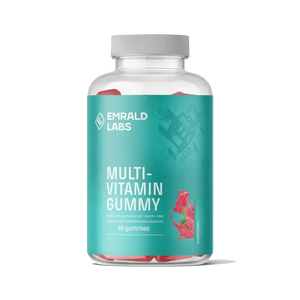
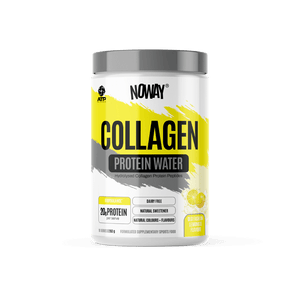
Always refer to a health professional before taking creatine if you have any health concerns or conditions, including pregnancy. How you take creatine depends on the type of creatine supplement you use and also personal preference. Creatine comes in many different forms, including powder, capsules, and gummies, and directions of use will vary with each one. Be sure to check the 'directions of use' label on your creatine supplement for the most accurate instructions.
Important: Always refer to a health professional before taking creatine if you have any health concerns or conditions, including pregnancy.
Potential risks and side effects of creatine
The potential risks and side effects of creatine supplementation in women is often minimal and overstated, with many side effects attributed to placebo over concrete physical or mental effects. However, some side effects that you may experience when taking creatine include:
-
Mild gastrointestinal issues like bloating, nausea, stomach discomfort, or diarrhea
-
Temporary water retention which may cause slight weight gain
- Dehydration if hydration is inadequate
Bear in mind, side effects can usually be avoided as long as you take the recommended dosage and confirm with a health professional if you have pre-existing health conditions beforehand.
Types of creatine supplements
Potential benefits and side effects aren't the only things to keep in mind when deciding whether or not to add creatine to your daily supplement regime. You should also consider the type of creatine supplement you want to take.
As the creatine supplement market grows, brands and labs have also started to differentiate between creatine formulas, with differences such as purity, concentration, bioavailability (absorbability) and more. And that's not even considering the physical form of creatine (powder, capsules, gummies, etc.)!
To break it down simply below are the main types of creatine supplements for women.
Creatine monohydrate
-
Good for: Everyday users who want an affordable type of creatine to add to their daily stack
-
the most standard form of creatine currently in the market, widely studied and commonly used to support strength and performance goals when combined with regular training. Due to being the most commonly available creatine in the market, creatine monohydrate is also usually the most affordable and accessible for everyday users.
Micronised creatine monohydrate
-
Good for: Users who want to mix creatine in drinks before taking it (as opposed to dry scoops)
-
Being micronised simply means that the creatine has been processed and broken down into smaller particles for better mixability and grit reduction. The potential effectiveness and functions of micronised creatine are the same as regular creatine monohydrate.
Creatine hydrochloride (HCL)
-
Good for: Usage in smaller doses, with potentially the same effects as a regular dose of creatine monohydrate
-
Creatine HCL is not as well-researched as standard creatine monohydrate, however has been marketed to be more soluble than regular creatine, and therefore requires smaller doses for similar health effects. Scientific studies are underway to prove the credibility of these market claims.
Buffered creatine
-
Good for: Users with sensitive stomachs who want to avoid bloating and stomach discomfort
-
Buffered creatine is a type of creatine monohydrate with higher pH (less acidic), making it easier on the stomach and potentially causing less bloating. Although its health benefits do not differ from regular creatine monohydrate, it may be an option to consider for users with sensitive stomachs.
Creapure
-
Good for: Users looking for the "gold-standard" premium creatine with the highest level of purity
-
Creapure is a patented form of creatine monohydrate that is produced in Germany under strict quality and batch controls. It's considered a premium form of creatine due to claiming 99.99% purity which eliminates harmful byproducts and ensures concentrated health benefits.
Mixed creatine formulas
-
Good for: Users who are after health benefits in addition to those offered by regular creatine
Although less common, you'll also find some 'specialist' creatine formulas which combine creatine with other molecules such as nitrate, organic acids, and minerals for added health effects such as better absorption or endurance. However, there's so far, limited evidence suggesting that mixed creatine formulas outperform regular creatine monohydrate.
After deciding which type of creatine is best for you, you can then consider the form of creatine you'd like to take. Creatine is most commonly taken as powder, although you can also find them in capsule and gummy form.

Conclusion: Taking your next step with creatine
Daily creatine supplementation may support women's performance and general health goals when combined with regular training and a balanced diet. Paired with resistance training, hydration, and tweak doses for your cycle or life stage, creatine may help support strength and energy levels as part of a regular training routine. From supporting general wellbeing to helping maintain energy levels, there are many potential benefits creatine may offer women.
Interested to start your health journey with creatine? Consult your doctor if needed, and choose quality creatine from trusted Aussie retailers. Here at Elite Supps, our supplement experts are more than happy to answer any questions you may have on creatine, and recommend creatine supplements that may best suit your health needs. Get in touch today!
References
-
Hudson Institute of Medical Research (2026, February 25). Winning formula for women, Age Melbourne, https://www.hudson.org.au/wp-content/uploads/2023/05/The-AGE-Creatine.pdf
-
61.Candow D.G., Forbes S.C., Chilibeck P.D., Cornish S.M., Antonio J., Kreider R.B. Effectiveness of Creatine Supplementation on Aging Muscle and Bone: Focus on Falls Prevention and Inflammation. J. Clin. Med. 2019;8:488. doi: 10.3390/jcm8040488.
-
Kondo D.G., Sung Y.H., Hellem T.L., Fiedler K.K., Shi X., Jeong E.K., Renshaw P.F. Open-label adjunctive creatine for female adolescents with SSRI-resistant major depressive disorder: A 31-phosphorus magnetic resonance spectroscopy study. J. Affect. Disord.
-
Vidafar P., Gooley J.J., Burns A.C., Rajaratnam S.M.W., Rueger M., Van Reen E., Czeisler C.A., Lockley S.W., Cain S.W. Increased vulnerability to attentional failure during acute sleep deprivation in women depends on menstrual phase. Sleep. 2018;41:zsy098.