









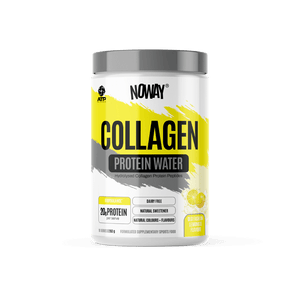















Collagen is the most abundant protein in skin and its main structural component. Natural collagen production gradually declines with age. Many people take a collagen supplement as part of a daily routine to support the appearance of skin and to support skin hydration. Marine collagen, which is predominantly type I, is the type most associated with skin. Collagen works gradually, so it is taken consistently over several weeks.
Key points
- Skin's main structural protein. Collagen is the most abundant protein in skin, sitting mainly in the dermis.
- Declines with age. Natural production gradually slows from your mid-twenties.
- Type I is the skin type. Marine collagen is predominantly type I, the type most associated with skin.
- Common serve. Around 5g to 12g of hydrolysed collagen peptides a day.
- Works gradually. Take it consistently over several weeks, alongside sun protection and a balanced diet.
How collagen relates to the skin
Skin has three layers, and collagen sits mainly in the middle layer, the dermis. There it forms a large part of the skin's structure - the scaffolding that gives skin its firmness and support, alongside elastin and hyaluronic acid. Type I collagen is the dominant type in skin, with type III alongside it.
Your body makes its own collagen continuously, but from your mid-twenties that natural production gradually slows, and factors like sun exposure, smoking and a poor diet can add to the decline. This is part of the normal ageing of skin: it gradually becomes thinner and less firm over time. A collagen supplement supplies the amino-acid building blocks - glycine, proline and hydroxyproline - and the type I peptides that skin is rich in.
It is worth being clear about what a supplement does and does not do: collagen is taken as part of a daily routine to support the appearance of skin and skin hydration. It is not a treatment, and any change builds gradually with consistent use.
What the research suggests
Collagen and skin is one of the more studied areas of supplementation. A 2023 systematic review and meta-analysis of 26 randomised controlled trials, published in the journal Nutrients, reported improvements in skin hydration and elasticity with oral collagen taken daily, generally over a period of several weeks. Independent reviews, including by Australian consumer body CHOICE, have also examined collagen supplements and skin and note that while results are promising, study quality varies and many trials are industry-funded.
The honest summary: the evidence is encouraging but still developing, the effects that have been measured are modest, and a supplement works best alongside the basics rather than instead of them.
Which collagen is best for skin?
Marine collagen is predominantly type I, the collagen type most associated with skin, which is why it is the usual choice for a skin-led routine. It is not suitable for anyone with a fish allergy.
Bovine collagen contains type I and III and also supports the appearance of skin, hair and nails, with the bonus of added protein.
Both deliver type I, so either can suit a skin routine; marine is simply the more common skin-specific pick.
How to use collagen for skin
A common serve is around 5g to 12g of hydrolysed collagen peptides a day, mixed into a drink of your choice. Because collagen works gradually, consistency over several weeks matters more than the timing of each serve. Most people find it easiest to attach it to an existing habit, like a morning coffee or smoothie.
Some people pair collagen with vitamin C, which the body uses in its own collagen formation, although a balanced diet usually provides enough. Beyond the supplement, the skin basics do the heavy lifting: sun protection, not smoking, sleep, hydration and a diet with enough protein and vitamin C.
This is a supplementary product and is not intended to diagnose, treat, cure, or prevent any disease.
How long does it take?
Because collagen acts gradually, it is taken consistently over time rather than for a quick result. Studies in this area typically run over several weeks of daily use before measuring skin parameters, so a similar timeframe is a realistic expectation. If you try collagen, give it a consistent run of at least a couple of months and keep the rest of your routine steady so you can judge it fairly.
Setting realistic expectations
Collagen is one input among many for skin, and not the most powerful. Sun protection has a far bigger effect on how skin ages than any supplement. Think of a collagen supplement as a supporting part of a daily routine - taken consistently, used to support the appearance of skin and skin hydration - rather than a treatment or a quick fix.
Important: If you have a specific skin concern, a doctor or dermatologist is the right person to advise you.
FAQs
Does collagen help your skin?
Collagen is the main structural protein in skin, and a collagen supplement is commonly used as part of a daily routine to support the appearance of skin and skin hydration. A 2023 meta-analysis of randomised controlled trials reported improvements in skin hydration and elasticity with daily oral collagen over several weeks, though the effects measured were modest and the evidence is still developing. Results build gradually with consistent use, alongside basics like sun protection and a balanced diet.
Which type of collagen is best for skin?
Type I collagen is the type most associated with skin. Marine collagen is predominantly type I, which is why it is often chosen for a skin-led routine; bovine collagen contains type I and III and also supports the appearance of skin, hair and nails.
How long does collagen take to work for skin?
Collagen works gradually, so it is taken consistently over a period of weeks rather than as a one-off. Studies typically run over several weeks of daily use, so give it a consistent run of at least a couple of months and keep the rest of your routine steady.
How much collagen should I take for skin?
A common serve is around 5g to 12g of hydrolysed collagen peptides a day. Follow the directions on your product, as serving sizes vary by brand, and take it consistently.
Is marine or bovine collagen better for skin?
Both supply type I collagen, the type most associated with skin. Marine collagen is predominantly type I and is the more common skin-specific pick; bovine collagen contains type I and III and also supports the appearance of skin, hair and nails. Choose the one that fits your goals and that you will take every day.
Can I get collagen from food instead?
Your body makes its own collagen from the amino acids and nutrients in a balanced diet, and foods like bone broth contain collagen directly. A varied diet with enough protein and vitamin C supports your skin's needs; a supplement is simply a convenient way to add hydrolysed collagen on top.
Do collagen supplements support skin appearance?
Collagen supplements are used to support the appearance of skin and skin hydration as part of a daily routine. Research has measured modest improvements in skin hydration and elasticity, but a supplement is not a wrinkle treatment, and sun protection has a much larger effect on how skin ages. For a specific concern, see a doctor or dermatologist.