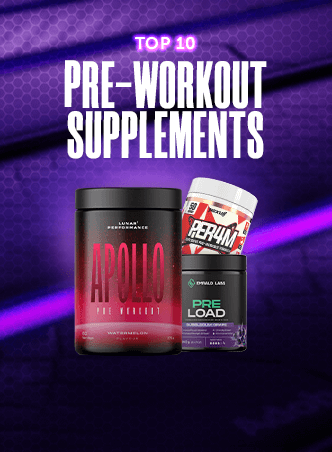













DMHA is a stimulant that has been used for its energy and appetite-related properties. For this reason DHMA was a popular ingredient in pre workout and fat burners. Some of you might be too young and weren't using pre-workouts and fat burners when DHMA (1,3-Dimethylamylamine) was banned in 2012. All high stim users thought it was the supplement apocalypse.
In fact, in the days after there were bodybuilders walking around like zombies from the walking dead as there wasn't a stimulant strong enough to wake them fully (that's not actually true. I just think they were low carb).
When was DMHA banned?
DMHA was banned in Australia in 2012. And so the search was on to find replacement ingredients that would be effective. Fast forward to October 2017. The replacement stimulants were found between 2012 are now also scheduled / banned. Amongst this crop of stimulants were (official wording) 1,3-Dimethylbutylamine (DMBA) and other aliphatic alkylamines including 1,5-dimethylhexylamine (DMHA).
So, what's left? What will be the next WOW stimulant, or will the industry go in a different direction with mounting pressure and scrutiny from governing bodies? Read on to find out...
Note: Before I go further, I think it's important to point out that these ingredients are not being scheduled because they have caused harm or irreversible effects. They are being scheduled due to their similarity to other compounds that are used recreationally for energy and not in a gym or training setting.
What does DMHA do?
DMHA is a stimulant and nootropic. Stimulant is such an interesting word. When most of us hear this term we immediately think of caffeine, energy or something a little stronger that might increase our heart rate and performance. However, to stimulate something just means to activate or set in motion some sort of process.
Stimulants are often associated with activation of the body's stress-response pathways.
However, you could also stimulate the release of other neurotransmitters that have different benefits on energy, focus, mood, performance and it's the opinion of this author that a balanced approach is the smarter way to go and companies will look for compounds in this space which are known as nootropics.
Until this transition occurs you will still see the use of some compounds that are borderline and could be considered alkylamines. So, let's take a brief look at all the NEW ingredients covering the nutritional panels of our pre-workouts and fat burners since the disappearance of DMBA & DMHA.
Alternatives to DHMA
Eria Jarensis
This plant extract has been used since 2015 but in the absence of DMHA it has become a more common option. It contains naturally occurring N-Phenethyl Dimethylamine. PEA or Phenylethylamine is a naturally occurring alkaloid found in chocolate, but it lasts in your system for 5-10mins. The version found in Eria Jarensis is associated with longer-lasting effects compared to standard PEA. There is good and bad to this. Users have reported noticeable mood effects; however, some have also reported that effects diminish after discontinuation. Aria doesn't have the ability to increase other important neurotransmitters as well like adrenalin and acetyl-choline, so it will need to be stacked with other caffeine and theobromine or Alpha GPC.
Juglans Regis Extract
This is an interesting one. It is said to be the source of naturally occurring DMHA in the same way Geranium was the naturally occurring source of DMAA. If this is the case, then you should get a similar and sharp boost in energy and focus that was reported from DMHA. If this is the case, then it won't last long because DMHA is scheduled and if any is found in the product (naturally occurring or not) it is illegal to sell or possess based on DMHA now becoming a schedule 10 prohibited substance. So, if it's there it will work, and you may be breaking the law. If it's not, then it won't, and you will not be breaking the law.
Halostachine
Halostachine, also known as N-methylphenylethanolamine is a compound that shares similarities with the PEA family so may also be considered an alkylamine. However, Halostachine is a beta agonist that has been studied for its stimulant properties. It shares these similarities with DMHA and it is relatively fast acting also. Ideally, Halostachine will be combined with caffeine and an MAO-I (Monoamine Oxidase Inhibitor) to enhance the length or recirculation of the compound. Halostachine is quite powerful and only needs to be dosed at 15 - 50mg per serve depending on stimulant tolerance.
Cocobuterol (Theobromine)
This compound is literally the good stuff from chocolate. It is commonly included in formulas for its stimulant and nootropic properties. Theobromine is considered a nootropic because it works via the brain chemistry and not via the central nervous system. It is considered to have a different stimulant profile compared to compounds that act via the central nervous system.
Synephrine - (Citrus Aurantium)
This beta agonist found in the peel of bitter citrus fruit is found to share some similarities with a popular stimulant of the 90's and early 2000's called ephedrine. Synephrine is commonly combined with caffeine in thermogenic formulas. This was noted to be more than either ingredient alone.
TeaCrine (Theacrine)
This liberine has become incredibly popular as it is 20% more powerful than caffeine on a gram for gram basis. The great advantage of Theacrine is that it also has some pretty cool other benefits like Theacrine has been studied for a range of properties and is noted for not producing the same tolerance build-up associated with caffeine. This means it just keeps working dose after dose.
Dynamine - (Methyl Liberine)
Dynamine is the big brother of TeaCrine. Both compounds were found in Kuding Extract or Kudcha Tea. The difference between them is the methylated nature of Dynamine allows for faster uptake and a more pronounced benefit in brain chemistry. Due to this immediate and long-lasting effect Dynamine is associated with fast-acting stimulant and nootropic properties. Dynamine is commonly included in thermogenic formulas.
In the past 10 days more than 6 brands have announced they are heading towards Dynamine as their stimulant of choice due to users experiencing rapid yet clean and focused energy levels that provide a nice elevation in mood!
I should point out that Dynamine has been studied for a range of stimulant properties. and unlike caffeine you also do not build up a tolerance to its benefits, so it keeps working dose after dose.
So, as you can see there are some pretty cool replacements since the ban of DMBA and DMHA. Some a bit shady and similar to the scheduled ingredients and others like Dynamine that will be the new breed of stimulant on the market as user's report feeling incredible on the product and not experiencing a crash or withdrawals.
Dynamine is currently found in Power Switch (Pre-workout) and Thermal Switch (fat burner).