











High-protein foods are those that deliver a large amount of protein for their weight, and a common rule of thumb is more than 10 grams of protein per 100 grams. Lean meats, fish, eggs, dairy, legumes, tofu and tempeh all clear that bar. Protein is the most satiating macronutrient, so building meals around these foods helps you feel fuller and makes hitting your daily target easier.
Key points
- The rule of thumb. More than 10 grams of protein per 100 grams of food.
- Richest animal sources. Chicken breast, lean beef, fish, eggs, Greek yoghurt, cottage cheese.
- Richest plant sources. Lentils, chickpeas, tofu, tempeh, edamame, wholegrains, nuts and seeds.
- Why it matters. Protein is the most satiating macronutrient and helps support muscle growth and repair alongside training.
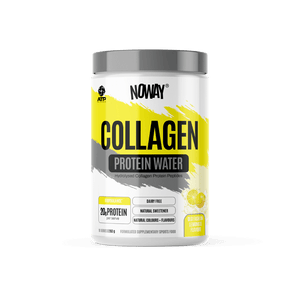
- Easy top-up. A scoop of protein powder is a convenient way to close the gap on a busy day.
Quick Facts
-
The high-protein rule of thumb: more than 10 grams of protein per 100 grams of food
-
Richest everyday animal sources: chicken breast, lean beef, fish, eggs, Greek yoghurt, cottage cheese
-
Richest everyday plant sources: lentils, chickpeas, tofu, tempeh, edamame, wholegrains, nuts and seeds
-
Why it matters: protein is the most satiating macronutrient and helps support muscle growth and repair alongside training
-
Easy top-up: a scoop of protein powder is a convenient way to close the gap on a busy day
-
Every gram figure here is marked for a real reference before publishing - we do not invent nutrition numbers
What Counts as a High-Protein Food?
There is no single legal definition that everyone uses, but a practical, widely quoted benchmark is more than 10 grams of protein per 100 grams of food. By that measure, most lean meats, fish, eggs, dairy, legumes and soy foods qualify, while most fruit, leafy vegetables and refined grains do not.
Two ideas are worth separating: Protein density is how much protein a food carries per 100 grams. Chicken breast is very protein-dense; an apple is not.
Protein quality is about the amino acid profile. Animal foods and soy are complete proteins, meaning they contain all the essential amino acids in useful amounts. Many plant foods are lower in one or two amino acids, which is why variety across the day matters.
For context on how much you actually need each day, see our guide on how much protein per day. This page is about where that protein comes from.
High-Protein Animal Sources
Animal foods are the most protein-dense options in a typical Australian shop, and they are complete proteins.
-
Lean meat and poultry. Chicken breast, turkey, lean beef, kangaroo and pork loin are among the highest-protein foods per 100 grams. Choose lean cuts and trim visible fat to keep the kilojoules in check.
-
Fish and seafood. Salmon, tuna, snapper, prawns and canned fish are excellent, and oily fish add omega-3 fats. Canned tuna and salmon are a cheap, shelf-stable staple.
-
Eggs. A versatile complete protein and one of the easiest ways to add protein to breakfast. See our high-protein breakfast ideas for practical ways to use them.
-
Dairy. Greek yoghurt, cottage cheese, regular milk and cheese all contribute. Greek yoghurt and cottage cheese are standouts because they pack more protein per 100 grams than most other dairy.
Exact gram values are in the chart below, each marked for a real Australian or reference source.
High-Protein Plant Sources
Plant foods can absolutely get you to a high daily protein intake, and they bring fibre that most Australians fall short on.
-
Legumes. Lentils, chickpeas, black beans and kidney beans are affordable, filling and high in protein and fibre. Canned versions are just as useful as dried.
-
Soy foods. Tofu, tempeh and edamame are the plant heavyweights because soy is a complete protein. Tempeh is the most protein-dense of the three.
-
Wholegrains. Oats and quinoa are not as protein-dense as legumes, but they lift the protein of a meal and pair well with legumes for a fuller amino acid profile.
-
Nuts and seeds. Almonds, peanuts, pumpkin seeds and hemp seeds add protein along with healthy fats. They are energy-dense, so portion sizes matter.
If you mostly eat plants, a good pea-and-rice or soy blend makes topping up simple. Browse the vegan protein powder range, and for how plant and whey stack up on muscle outcomes, see our comparison of plant protein vs whey.
High-Protein Foods Chart (per 100g)
Use this as a quick reference. Every value is marked for a real source and will be filled from Australian food composition data or an equivalent reference before publishing. Values are for the food as commonly eaten (cooked where relevant) and are approximate.
|
Food |
Category |
Protein per 100g |
|---|---|---|
|
Chicken breast (cooked) |
Animal - poultry |
30g |
|
Turkey breast (cooked) |
Animal - poultry |
29g |
|
Lean beef (cooked) |
Animal - red meat |
32g |
|
Pork chop (cooked) |
Animal - red meat |
26g |
|
Salmon (cooked) |
Animal - fish |
23g |
|
Canned tuna (in springwater) |
Animal - fish |
26g |
|
Prawns (cooked) |
Animal - seafood |
27g |
|
Eggs (whole, cooked) |
Animal - eggs |
14g |
|
Yoghurt (natural) |
Animal - dairy |
5g |
|
Cottage cheese |
Animal - dairy |
17g |
|
Cheddar cheese |
Animal - dairy |
25g |
|
Milk (regular) |
Animal - dairy |
3g |
|
Tofu (firm) |
Plant - soy |
14g |
|
Edamame (cooked) |
Plant - soy |
8g |
|
Lentils (cooked) |
Plant - legume |
6g |
|
Chickpeas (cooked) |
Plant - legume |
5g |
|
Black beans (cooked) |
Plant - legume |
5g |
|
Quinoa (cooked) |
Plant - wholegrain |
4g |
|
Rolled oats (dry) |
Plant - wholegrain |
13g |
|
Almonds |
Plant - nuts/seeds |
20g |
|
Peanut butter |
Plant - nuts/seeds |
27g |
|
Pumpkin seeds |
Plant - nuts/seeds |
30g |
|
Whey protein powder (dry) |
Supplement |
20-30g |
All figures are calculated and rounded from Healthy Bone Australia's Protein Content of Common Foods list.
Remember that per-100g density is only half the story. A 40 gram serve of dry oats and a 150 gram tub of yoghurt contribute different amounts of protein to your day even before you compare their densities. Think in terms of realistic serves, not just the per-100g figure.
High-Protein Snacks
Snacks are where most people leak protein, reaching for something carb-heavy between meals. Easy high-protein swaps:
-
Greek yoghurt or cottage cheese with berries
-
A tin of tuna on wholegrain crackers
-
A boiled egg or two
-
Edamame or roasted chickpeas
-
A handful of almonds or pumpkin seeds
-
A protein bar or a protein shake when you are short on time
Elite stocks convenient options in the protein bars and protein snacks ranges for when a wholefood snack is not practical.
Where Protein Powder Fits
Wholefoods should do most of the work. Protein powder is not a magic ingredient and it is not a meal replacement; it is a convenient way to top up when food alone is not getting you there. It genuinely helps in a few situations:
-
You are busy and need protein without cooking (post-gym, mid-afternoon, travel).
-
Your target is high relative to your appetite, for example if you train hard or are keeping protein high while managing weight - see protein for weight loss.
-
You are plant-based and want an easy complete-protein source to round out the day.
A single scoop typically adds a meaningful amount of protein to a shake, oats or yoghurt for very few kilojoules if you mix it with water or milk. Explore the full protein powder range to find a whey, blend or plant option that suits you. Protein powder supports your intake as one part of a varied diet built on wholefoods, not a substitute for them.
Frequently Asked Questions
What foods are highest in protein?
The most protein-dense everyday foods are lean meats and poultry such as chicken and turkey breast, fish and seafood, and eggs. On the plant side, soy foods like tempeh and tofu, and legumes like lentils and chickpeas, are the standouts. Dairy such as Greek yoghurt and cottage cheese is also high. See the per-100g chart above for a side-by-side comparison across categories.
What is considered a high-protein food?
A practical, widely used benchmark is more than 10 grams of protein per 100 grams of food. By that measure most lean meats, fish, eggs, dairy, legumes and soy foods qualify, while most fruit, leafy vegetables and refined grains do not. It also helps to consider protein quality, since animal foods and soy contain all the essential amino acids in useful amounts.
What are the best high-protein foods for vegetarians and vegans?
Soy foods are the plant heavyweights because soy is a complete protein, so tempeh, tofu and edamame are excellent choices. Legumes such as lentils, chickpeas and black beans are affordable and high in both protein and fibre. Nuts, seeds and wholegrains like quinoa add more. Eating a variety across the day covers the full amino acid range, and a plant protein powder makes topping up simple.
What are some easy high-protein snacks?
Good options include Greek yoghurt or cottage cheese, a tin of tuna on wholegrain crackers, boiled eggs, edamame or roasted chickpeas, and a handful of almonds or pumpkin seeds. When a wholefood snack is not practical, a protein bar or a protein shake is a convenient way to add protein between meals without much preparation.
Do I need protein powder if I eat high-protein foods?
No. If wholefoods already get you to your daily target, you do not need powder. It is simply a convenient way to top up when food alone falls short, such as after training, on busy days, or when your target is high relative to your appetite. Protein powder supports your intake as one part of a varied diet, rather than replacing meals.
How much protein do I need each day?
That depends on your body weight, activity level and goals, so there is no single number that suits everyone. Rather than guess, use our dedicated guide on how much protein per day, which sets out the ranges by goal. From there, the food sources and chart on this page make it straightforward to plan meals that hit your number.