



















Cortisol is a normal, necessary hormone, not something to eliminate. The goal is a healthy daily rhythm, and the biggest levers are sleep, stress load, movement and caffeine rather than any single supplement.
This guide covers what cortisol does, the signs it may be running high, the lifestyle habits that support a healthy stress response, where supplements fit, and when it is worth seeing your GP.
Key points
- Cortisol is meant to fluctuate. It follows a daily rhythm, higher in the morning and lower at night.
- Lifestyle comes first. Sleep, stress management, sensible training load and caffeine timing do the heavy lifting.
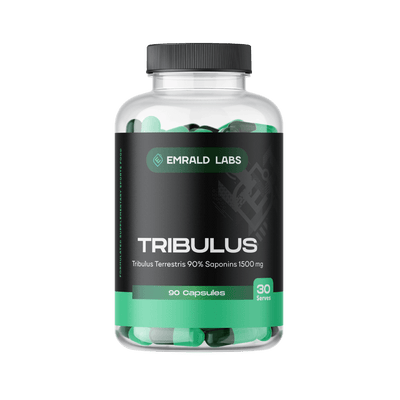
- Supplements are support, not a fix. Ashwagandha, magnesium and L-theanine may help support a healthy stress response alongside good habits.
- Sleep is central. Poor or short sleep can disrupt your cortisol rhythm, and better sleep helps restore it.
- Some symptoms need a doctor. Persistent or severe symptoms deserve a proper medical check, not a supplement.
What is cortisol and what does it do?
Cortisol is a hormone made by your adrenal glands. It is often called the stress hormone, but it does far more than respond to stress. It helps regulate your blood sugar, metabolism, blood pressure, immune response and your sleep-wake cycle (Healthdirect).
Levels naturally rise and fall across the day. Cortisol is usually highest in the morning to help you wake and get going, then tapers through the day to its lowest point around the middle of the night (Healthdirect). This daily pattern is normal and healthy.
Cortisol and the stress response
When you face a real or perceived stressor, your body releases more cortisol as part of the fight-or-flight response (Healthdirect). In short bursts this is useful and self-correcting. The concern is ongoing, unmanaged stress that keeps the system switched on, which is where healthy daily habits matter most.
What are the signs of high cortisol?
Everyday signs that stress may be running high are non-specific, meaning they overlap with many other causes. They are a prompt to look at your habits, and if they persist, to talk to your GP rather than to self-diagnose.
Signs that an authoritative source links to high cortisol include (Healthdirect):
- Low mood or depression. Feeling persistently flat or down.
- Anxiety or mood swings. Feeling more on edge, or noticeable ups and downs in mood.
- Difficulty concentrating. A foggy, scattered feeling that makes focus harder.
- Lower sex drive. A reduced interest in sex compared with usual.
These signs are non-specific, meaning they overlap with many other causes, so on their own they do not confirm a hormone problem. A genuinely high cortisol medical condition is uncommon and is diagnosed by a doctor with testing, not by symptoms alone (Healthdirect).
How can you lower cortisol naturally?
Most of the meaningful levers are lifestyle habits that support a healthy stress response. None of them are dramatic on their own, but together they add up.
Prioritise sleep
Regular, sufficient sleep is one of the strongest supports for a healthy cortisol rhythm, and poor sleep can push it the wrong way (Int J Endocrinol review). Keep consistent sleep and wake times, and give yourself a wind-down routine before bed.
Manage your training load
Exercise is good for stress overall, but an imbalance between heavy training stress and inadequate recovery can add to your body's stress load (BMC Sports Sci Med Rehabil, 2017). The effect on cortisol itself shows conflicting findings, so the practical takeaway is simple: balance hard training with easy days, and make sure you are recovering between sessions.
Watch your caffeine
Caffeine can raise cortisol, and larger or higher habitual doses may add to the load (Psychosom Med, 2005). Late-in-the-day caffeine can also disturb sleep, so if you are stressed or sleeping poorly, pulling caffeine back and keeping it to earlier in the day is a sensible first move.
Get morning light and move daily
Natural light early in the day helps anchor your body clock and reinforces the healthy morning rise in cortisol that is part of a normal rhythm (Scheer & Buijs, JCEM). Gentle daily movement, such as a walk, also helps manage stress without adding to your training load.
Use breathing and relaxation
Slow breathing, meditation and other relaxation practices can help calm the stress response and may support lower cortisol, though the effect is likely to be small (Neurology International, 2024). Even a few minutes a day, done consistently, is a practical habit to build.
Do supplements lower cortisol?
Some supplements are commonly used to help support a healthy stress response, but they work best alongside the lifestyle habits above, not instead of them. Think of them as support, not a fix, and check with your pharmacist or GP if you take medication or have a health condition.
Ashwagandha
Ashwagandha is a herb traditionally used to help the body cope with stress, and some research suggests it may help support a healthy stress response and lower cortisol in stressed adults (BJPsych Open, 2025). Elite's house brand option is Emrald Labs Ashwagandha, which uses a KSM-66 extract.
Magnesium
Magnesium is an essential mineral involved in the stress response and normal nervous system function, and many people do not get enough from diet alone (Magnesium in the Central Nervous System). Keeping your intake adequate may help support how your body handles stress and sleep (Magnesium in the Central Nervous System).
L-theanine
L-theanine is an amino acid found in tea that is often used to support a calm, focused state, and some research suggests it may help support relaxation without causing drowsiness (Neurol Ther, 2024). Elite's house brand option is Emrald Labs L-Theanine.
Combination stress formulas
Some products combine several of these ingredients into one stress-support formula, such as Adrenal Switch. You can compare the full range on the cortisol support supplements hub and pick what suits your routine.
How does sleep affect cortisol?
Sleep and cortisol are closely linked and influence each other in both directions. Your cortisol rhythm helps drive the natural rise that wakes you in the morning, while too little or poor-quality sleep can disturb that rhythm (Int J Endocrinol review).
This can become a loop. Stress and higher cortisol make it harder to sleep, and poor sleep then adds to your stress load the next day (Int J Endocrinol review). Breaking the loop usually starts with protecting your sleep.
Simple sleep habits that help
- Keep a consistent schedule. Similar sleep and wake times, even on weekends.
- Wind down before bed. Dim lights and screens, and give yourself time to settle.
- Mind late caffeine and alcohol. Both can disturb sleep quality.
- Get morning light. Early daylight helps set your body clock for the day.
When should you see a doctor about cortisol?
Most everyday stress and tiredness responds to better habits over time. But some symptoms warrant a proper medical check rather than a supplement.
Important: If your symptoms are persistent, severe, or getting worse, or if you are under very high or prolonged stress and struggling to cope, see your GP. Book a check sooner for warning signs such as unexplained weight change, a rounder or flushed face, easy bruising, purple stretch marks, muscle weakness, very high blood pressure, or low mood you cannot shift. These deserve proper assessment, and hormone conditions are diagnosed by a doctor with testing, not by symptoms alone.
References
- Healthdirect. The role of cortisol in the body. healthdirect.gov.au. Immune and sleep-wake roles: StatPearls, Physiology, Cortisol (NCBI Bookshelf). ncbi.nlm.nih.gov/books/NBK538239.
- Healthdirect. The role of cortisol in the body. healthdirect.gov.au. Night nadir: StatPearls, Physiology, Cortisol. ncbi.nlm.nih.gov/books/NBK538239.
- Healthdirect. The role of cortisol in the body. healthdirect.gov.au.
- Healthdirect. The role of cortisol in the body. healthdirect.gov.au.
- Healthdirect. Cushing's syndrome. healthdirect.gov.au. Hormones Australia. Cushing's disease. hormones-australia.org.au.
- Impact of Sleep and Its Disturbances on Hypothalamo-Pituitary-Adrenal Axis Activity. International Journal of Endocrinology. pmc.ncbi.nlm.nih.gov/articles/PMC2902103.
- Hormonal aspects of overtraining syndrome: a systematic review. BMC Sports Science, Medicine and Rehabilitation, 2017. pmc.ncbi.nlm.nih.gov/articles/PMC5541747.
- Caffeine Stimulation of Cortisol Secretion Across the Waking Hours in Relation to Caffeine Intake Levels. Psychosomatic Medicine, 2005. pmc.ncbi.nlm.nih.gov/articles/PMC2257922.
- Scheer & Buijs. Transition from Dim to Bright Light in the Morning Induces an Immediate Elevation of Cortisol Levels. Journal of Clinical Endocrinology & Metabolism. academic.oup.com/jcem/article/86/1/151.
- Mindfulness-Based Interventions and the Hypothalamic-Pituitary-Adrenal Axis: A Systematic Review. Neurology International, 2024. pmc.ncbi.nlm.nih.gov/articles/PMC11587421.
- Effects of Ashwagandha Supplements on Cortisol, Stress, and Anxiety Levels in Adults: A Systematic Review and Meta-Analysis. BJPsych Open, 2025. pmc.ncbi.nlm.nih.gov/articles/PMC12242034.
- Magnesium and stress. In: Magnesium in the Central Nervous System (University of Adelaide Press; NCBI Bookshelf). ncbi.nlm.nih.gov/books/NBK507250.
- Safety and Efficacy of AlphaWave L-Theanine Supplementation for 28 Days in Healthy Adults with Moderate Stress. Neurologic Therapy (Neurol Ther), 2024. pmc.ncbi.nlm.nih.gov/articles/PMC11263523.
- Impact of Sleep and Its Disturbances on Hypothalamo-Pituitary-Adrenal Axis Activity (bidirectional sleep-cortisol relationship). International Journal of Endocrinology. pmc.ncbi.nlm.nih.gov/articles/PMC2902103.
This article is general information only and is not medical or personal health advice. Supplements are intended for healthy adults and support, not treat, cure or prevent any condition. If you are pregnant, breastfeeding, under 18, take regular medication, or have a pre-existing health condition, speak with your GP or pharmacist before starting any new supplement. See your GP if your symptoms are persistent, severe, or worrying.