

















Feeling flatter than usual, driven down, harder to hold onto muscle even though nothing else has changed? You've probably looked at a testosterone booster and wondered if it's worth it. Here's the honest answer: some of what's in these products genuinely helps, whilst some of it is still unproven.
Quick facts
-
What they are: supplements built around nutrients and herbs commonly used to support healthy testosterone, sold under the “booster” label
-
What they are not: testosterone medication. They do not replace testosterone replacement therapy (TRT) prescribed by a doctor
-
Strongest case: correcting a genuine deficiency, most commonly zinc or vitamin D
-
Biggest levers: sleep, resistance training, healthy body composition and managing stress usually matter more than any supplement
-
The honest bottom line: if you think your testosterone is low, see your GP for a blood test rather than self-treating
What “testosterone booster” actually means
The phrase “testosterone booster” is a label put on a broad group of supplements that share one thing: they contain ingredients that are commonly used to support healthy testosterone and general vitality.
A supplement labelled a “booster” is not a drug. It does not contain testosterone, and it does not work like the testosterone your GP might prescribe as replacement therapy. Selling supplements that way would be illegal in Australia. What these products actually contain is some combination of vitamins, minerals and plant extracts, each with a different weight of evidence behind it.
So the useful question is not “do testosterone boosters work” as a single yes or no. It is “which ingredients are in this product, what does the evidence say about each one, and does any of that apply to me”. That is what the rest of this guide covers.
What the evidence says, ingredient by ingredient
Here is an honest read on the ingredients you will see most often, grouped by how much evidence sits behind them. None of this is a promise of a result. It is a summary of where the research currently stands.
-
Zinc (reasonable, if you are deficient). Zinc is an essential mineral that plays a role in normal testosterone metabolism and normal fertility and reproduction. The key phrase is “if you are deficient”. If your zinc intake is genuinely low, correcting that shortfall helps your body function normally. If your levels are already fine, taking more is unlikely to add anything, and very high intakes can cause their own problems.
-
Vitamin D (reasonable, if you are deficient). Vitamin D behaves more like a hormone than a typical vitamin, and it plays a role in general health. As with zinc, the sensible case for supplementing is correcting a deficiency, which is common in people who get little sun exposure. It is not a lever that does much once your levels are already adequate. A blood test through your GP is the only way to know where you sit.
-
Magnesium (supporting role). Magnesium is involved in hundreds of processes in the body, including normal muscle function and normal energy metabolism, and it plays a role in reducing tiredness and fatigue.
-
Tongkat ali (supporting role). Tongkat ali (Eurycoma longifolia, also called longjack) is a traditional South-East Asian herb commonly used to support healthy testosterone, male vitality and a healthy stress response.
-
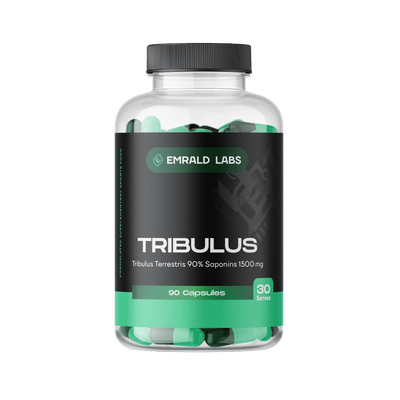
Fadogia agrestis (supporting role). Fadogia agrestis is a plant extract that has become popular in vitality stacks, often paired with tongkat ali. Tribulus, D-aspartic acid and similar (supporting role) Tribulus terrestris and D-aspartic acid have been staples in this category for years, and you'll still see them in a lot of formulas. Tribulus is traditionally used to support libido and general vitality, and D-aspartic acid is an amino acid thought to play a role in how the body regulates hormone signalling, which is the theory behind its use here.
Realistic expectations
Here's the simple version: these supplements work best when they're supporting something real, a genuine nutrient gap, a herbal ingredient you're trialling with realistic expectations, sitting on top of good habits you're already building.
Used well, that's actually the good news. Correcting a real shortfall lets your body do what it's meant to do, and a well-formulated herbal supplement can be a smart addition to a solid routine. Think of it as backup for the fundamentals, not a replacement for them, and not a shortcut on its own.
Lifestyle first, supplements second
This is the part the marketing tends to skip. For most people, the biggest levers on healthy testosterone are not in a bottle. They are sleep, resistance training, keeping a healthy body composition, managing stress, and getting enough of the key nutrients from food.
Those fundamentals are free, they are well supported, and they matter more than any “booster” on the shelf. Supplements sit on top of that foundation, not in place of it. If the basics are not in order, a supplement is unlikely to do much.
When to see your GP
See your GP if you have ongoing symptoms that concern you. They can order the right tests, interpret the results properly, and talk you through actual treatment options if they are needed. That is the safe, sensible path, and no supplement replaces it.
This is a supplementary product and is not intended to diagnose, treat, cure, or prevent any disease. It is not suitable as a replacement for a balanced diet or medical treatment. Supplements are not appropriate for under-18s, and if you are pregnant, breastfeeding, or taking any medication, talk to your healthcare professional before starting anything. Keep out of reach of children.
Frequently asked questions
Can boosters support healthy testosterone levels?
It depends entirely on the ingredient. Correcting a real zinc or vitamin D deficiency has reasonable support, while herbs like tongkat ali and fadogia may also help. None of these products work like testosterone medication or raise your levels the way a prescription can. Think of them as commonly used to support healthy testosterone, not as a guaranteed result.
Are testosterone boosters the same as TRT?
No. Testosterone replacement therapy (TRT) is a medical treatment prescribed and monitored by a doctor. A supplement labelled a “booster” is not a medicine, does not contain testosterone, and is not a substitute for TRT. If you think you need medical treatment, that is a conversation for your GP, who can test your levels and advise you properly.
Can a supplement replace lifestyle changes?
No, and this is the honest core of the answer. For most people the biggest levers on healthy testosterone are sleep, resistance training, a healthy body composition, managing stress and good nutrition. Supplements sit on top of those fundamentals, not in place of them.
When should I see a doctor instead of taking a booster?
If you have ongoing symptoms you associate with low testosterone, such as persistent low energy, low mood or changes in libido, see your GP rather than self-treating. Those symptoms are non-specific and can have many causes. A blood test is the only reliable way to know your levels, and a doctor can advise on treatment if it is actually needed.
Are testosterone boosters safe?
Well-formulated supplements from reputable brands are generally well tolerated by healthy adults when taken as directed, but “safe” still depends on the ingredient, the dose and your own health. Some ingredients, such as fadogia agrestis, have limited long-term human safety data. If you take medication or have a health condition, check with your GP or pharmacist before starting.