















The biggest levers for supporting healthy testosterone are everyday lifestyle habits, not a single pill. The basics that matter most are consistent quality sleep, regular resistance training, keeping a healthy body composition, and managing long-term stress. Getting enough of a few key nutrients (zinc, vitamin D and magnesium), ideally from food first, also plays a role. If you think your levels are low, see your GP for a blood test.
Key points
- Lifestyle first. Sleep, resistance training, healthy body composition and stress management are the foundation.
- Key nutrients. Zinc, vitamin D and magnesium play a role in normal testosterone, food first.
- Where supplements fit. Secondary support only, on top of the basics, never a replacement.
- The honest bit. No food or supplement works like testosterone medication.
- The reliable next step. If you think your testosterone is low, ask your GP for a blood test rather than self-diagnosing.
Quick facts
-
Lifestyle first: sleep, resistance training, healthy body composition and stress management are the foundation
-
Key nutrients: zinc, vitamin D and magnesium play a role in normal testosterone (food first, supplement second)
-
Where supplements fit: secondary support only, on top of the basics, never a replacement for them
-
The honest bit: no food or supplement works like testosterone medication
-
The reliable next step: if you think your testosterone is low, ask your GP for a blood test rather than self-diagnosing
-
Not covered here: medical treatment for diagnosed low testosterone - that is a conversation for your doctor
How to support healthy testosterone (the short version)
If you searched "how to increase testosterone", the honest and useful way to answer it is: focus on the habits that help your body maintain healthy testosterone naturally. For most men, day-to-day lifestyle has a far bigger influence than any supplement, and it is where the evidence is strongest.
The rest of this guide walks through each lever in plain English: sleep, resistance training, body composition, stress and cortisol, and the handful of nutrients that play a role. Supplements come last, on purpose, because they sit on top of the basics rather than replacing them. And if you are worried your levels are actually low, the single most reliable step is a blood test with your GP, not guesswork.
A quick, important note on expectations: none of this works like testosterone medication. The goal here is supporting your body's own healthy levels through sensible habits, not chasing a number.
1. Sleep: the foundation most men skip
Sleep is arguably the most underrated lever. Testosterone follows a daily rhythm and a large share of your daily release happens while you sleep, so short or broken sleep tends to work against healthy levels. Prioritising sleep is one of the most practical things you can do to support healthy testosterone naturally.
What that looks like in practice:
-
Aim for a consistent sleep and wake time, including weekends.
-
Give yourself a genuine opportunity for enough sleep each night.
-
Keep the bedroom cool, dark and quiet, and cut bright light and screens in the hour before bed.
-
Limit afternoon and evening caffeine and heavy late alcohol, both of which fragment sleep.
Better sleep also supports the other levers on this page: it improves training recovery, appetite regulation and stress resilience. If a wind-down routine is your weak point, our magnesium for a healthy sleep routine guide and the Sleep range are sensible places to start, alongside the habits above.
2. Resistance training and staying active
Regular physical activity supports healthy testosterone, and resistance training (lifting weights, bodyweight work, or resistance machines) is the standout. Building and maintaining muscle is closely tied to hormonal health, and strength training also helps with body composition, insulin sensitivity and stress, which all feed back into the picture.
Practical guidance:
-
Train the major muscle groups two or more days a week, using compound movements like squats, hinges, presses and rows.
-
Progress gradually over time rather than chasing maximal effort every session.
-
Include some general activity and cardio for overall health, but you do not need to live in the gym.
-
Avoid the other extreme: chronic overtraining without enough recovery can be counterproductive, which is where sleep and rest days matter.
The theme is consistency and recovery, not punishment. A sustainable routine you actually keep to beats an intense plan you quit in three weeks.
3. Keep a healthy body composition
Carrying excess body fat, particularly around the middle, is associated with lower testosterone, so maintaining a healthy body composition is one of the more meaningful levers for many men. The good news is that it overlaps heavily with everything else here: better sleep, regular resistance training and a sensible diet all move body composition in the right direction.
A few plain-English principles:
-
Build meals around adequate protein, plenty of vegetables and mostly whole foods.
-
Do not crash diet. Very aggressive, prolonged calorie restriction can work against hormonal health; a moderate, sustainable approach is better for supporting healthy testosterone.
-
Combine sensible eating with resistance training so that weight you lose comes more from fat than muscle.
-
Focus on the trend over months, not the scale day to day.
If weight is a genuine health concern for you, your GP is the right person to help you set a safe, personalised plan.
4. Manage long-term stress and cortisol
Short bursts of stress are normal. The issue is chronic, unmanaged stress, which keeps the stress hormone cortisol elevated over long periods. Because cortisol and testosterone are broadly counterbalanced in the body, managing ongoing stress is a genuine part of supporting healthy testosterone naturally.
You cannot remove all stress, but you can manage the load:
-
Protect sleep, which is both a cause and a casualty of stress.
-
Keep training challenging but recoverable, rather than adding gym stress on top of a maxed-out life.
-
Build in regular downtime, whether that is walking, breathing practice, time outdoors or simply switching off screens.
-
Watch alcohol, which many people lean on for stress but which works against both sleep and hormonal health.
Some people also look at supplements in this space. Ashwagandha, for example, is a herb that is commonly used to support the body's response to stress, and it appears frequently in testosterone-support discussions for that reason. Treat it as secondary support for stress, not as a testosterone treatment, and see it in context alongside the habits above.
5. Key nutrients (and the foods that provide them)
A few nutrients play a genuine, well-established role in normal testosterone production. The most important ones are zinc, vitamin D and magnesium. The key nuance: topping up a nutrient you are genuinely low in can help your body maintain normal levels, but loading up beyond your needs does not push testosterone higher.
This is about avoiding a shortfall, not force-feeding a number.
Food first is the sensible default. Here are the main players and where to get them.
-
Zinc. Zinc plays a role in normal fertility and reproduction and in normal testosterone levels in the blood. Food sources include lean red meat, oysters and other shellfish, poultry, eggs, legumes, nuts and seeds.
-
Vitamin D. Vitamin D behaves like a hormone in the body and is often discussed alongside testosterone, particularly because low vitamin D is common. Your body makes it from sensible sun exposure, and food sources include oily fish, eggs and fortified foods.
-
Magnesium. Magnesium is involved in hundreds of processes in the body, including normal muscle function and normal nervous system function, and it supports sleep and recovery, which indirectly support healthy testosterone. Food sources include leafy greens, wholegrains, legumes, nuts and seeds.
About "testosterone boosting foods". You will see lists of "testosterone boosting foods" online. A more accurate way to think about it: no single food raises testosterone on its own. What helps is an overall dietary pattern that supplies enough of the nutrients above, keeps body composition healthy, and includes adequate protein and healthy fats. In other words, the food that matters is your whole diet, not one hero ingredient.
If you cannot cover these nutrients from food alone, a supplement can help fill a genuine gap. That is a reasonable, evidence-aligned use of supplements, and it is different from expecting a product to do the heavy lifting. For personalised advice on whether you are low in anything, ask your GP, who can test and advise.
6. Where supplements actually fit
Supplements are the last item on this list on purpose. They sit on top of the basics rather than replacing them, and they are secondary to sleep, training, body composition, stress and diet. Used sensibly, they fall into two honest buckets:
-
Filling a genuine nutrient gap. If your diet is short on zinc, vitamin D or magnesium, a targeted supplement can help your body maintain normal levels. This is the most evidence-supported use.
-
Herbal and botanical ingredients commonly used to support healthy testosterone and male vitality. This is where ingredients like tongkat ali and fadogia agrestis come in. They are commonly used in male-vitality and testosterone-support stacks, though the human evidence varies from emerging to limited depending on the ingredient. They are worth understanding honestly, not overselling.
A few ingredients you will encounter, with links to our plain-English explainers:
-
Tongkat Ali - a traditional South-East Asian herb commonly used to support healthy testosterone, vitality and the body's response to stress. Elite Supplements stocks Emrald Labs Tongkat Ali.
-
Fadogia Agrestis - a plant extract that has become popular in male-vitality stacks, though human research is still limited. Elite Supplements stocks Emrald Labs Fadogia Agrestis.
-
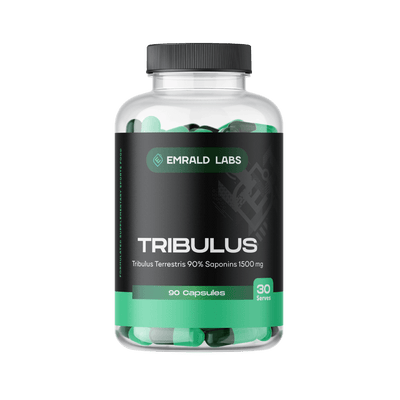
Tribulus and D-aspartic acid also appear in this category
7. When to see your GP (and get a blood test)
This guide is about supporting healthy testosterone through lifestyle. It is not a way to diagnose or treat low testosterone, and it is not a substitute for medical advice.
If you are concerned about symptoms, or you have been doing the basics well and still feel something is off, the single most reliable step is to see your GP and ask about a blood test. Only a proper test and a doctor's assessment can tell you whether your levels are genuinely low and, if so, what the right course of action is. Please do not self-diagnose from an online symptom list, and do not try to self-treat with high-dose supplements.
Important: You should also talk to your GP or pharmacist before starting any new supplement if you take medication, have a health condition, or are unsure whether something suits you.
You should also talk to your GP or pharmacist before starting any new supplement if you take medication, have a health condition, or are unsure whether something suits you.
This article is general information, not medical advice. If you think your testosterone may be low, see your GP for a blood test and personalised advice.
Frequently asked questions
How can I support healthy testosterone naturally?
The habits with the biggest influence are lifestyle ones: get consistent quality sleep, train with resistance work regularly, keep a healthy body composition, and manage long-term stress. Getting enough zinc, vitamin D and magnesium, ideally from food first, also plays a role. Supplements are secondary to these basics. If you think your levels are low, see your GP for a blood test.
What foods support healthy testosterone?
No single food changes your levels on its own. What helps is an overall diet that supplies enough of the key nutrients, especially zinc (lean red meat, shellfish, eggs, legumes, nuts) alongside vitamin D and magnesium, plus adequate protein and healthy fats. Think of your whole dietary pattern as the lever, not one hero ingredient, and keep body composition healthy.
Does sleep really affect testosterone?
Sleep is one of the most important and most overlooked levers. Testosterone follows a daily rhythm and a large share of daily release happens during sleep, so short or broken sleep tends to work against healthy levels. Prioritising consistent, good-quality sleep is one of the most practical everyday steps you can take to support healthy testosterone naturally.
Do testosterone supplements actually work?
It depends what you expect. Correcting a genuine nutrient shortfall (like zinc, vitamin D or magnesium) can help your body maintain normal levels. Herbal ingredients like tongkat ali and fadogia agrestis are commonly used to support healthy testosterone, though the human evidence ranges from emerging to limited. None of them work like testosterone medication.
How do I know if my testosterone is low?
You cannot reliably tell from an online symptom checklist, because the signs are general and overlap with many other things like poor sleep or stress. The only dependable way to know is a blood test arranged through your GP, who can interpret the result in context and advise on next steps. If you are concerned, book an appointment rather than self-diagnosing or self-treating.
Can lifestyle changes really make a difference, or do I need supplements?
For most men, lifestyle is where the biggest, best-evidenced gains are: sleep, resistance training, healthy body composition and stress management. Supplements sit on top of those basics and can help fill a genuine nutrient gap, but they are secondary and not a replacement. Start with the habits, then consider supplements as support, and see your GP if you have real concerns.
This is general information, not medical advice, and it is not intended to diagnose, treat, cure or prevent any disease. Supplements are supplementary products and are not a substitute for a balanced diet or healthy lifestyle. If you think your testosterone may be low, or you have a health condition, take medication, or are unsure whether a product suits you, speak to your GP or pharmacist. Not suitable for those under 18.