


















Collagen supplements are widely marketed for cellulite. The honest position is that the evidence for that specific use is thin, while the evidence for skin hydration and elasticity is somewhat better.
Here is what the research actually supports, what it does not, and what genuinely helps with the appearance of cellulite.
Key points
- Cellulite is normal. It affects most women regardless of body fat.
- The cellulite evidence is weak. Few trials, small, mostly industry funded.
- The skin evidence is better. Hydration and elasticity have more support.
- Expect 8 to 12 weeks. That is the window the trials use.
- Nothing removes it. Anything promising that is overselling.
What actually causes cellulite?
It is a structural feature of skin, not a sign of poor health or excess weight.
Fat sits in chambers separated by connective tissue bands that anchor skin to the muscle beneath. When fat pushes up between those bands while the bands hold firm, you get the dimpled surface. In women the bands run mostly vertically, which allows fat to bulge between them. In men they cross in a lattice, which is the main reason cellulite is far more common in women.
It is not a fat problem. Lean and athletic women get cellulite, and it affects an estimated majority of post-pubertal women.
Does collagen reduce cellulite?
The evidence is genuinely limited, and we would rather say that than imply otherwise.
A small number of trials have looked at collagen peptides and cellulite appearance, with some reporting modest improvements over six months. They are small, most are funded by collagen manufacturers, and there has not been the broad independent replication you would want before treating it as established.
So the fair summary: it might help slightly, over months, and it will not remove cellulite. If a product promises to, that is a claim the evidence does not support.
Where the evidence is stronger: skin
Collagen supplementation has more support for skin hydration and elasticity than for cellulite specifically. Several reviews of randomised trials have reported improvements in both, typically over 8 to 12 weeks.
The same caveats apply, industry funding is common and effect sizes are modest, but this is the better-supported use, and it is the honest reason to take a collagen supplement.
What type of collagen is best?
The types describe where collagen sits in the body:
- Type I. The most abundant in skin, and the type most skin research uses.
- Type II. Mostly cartilage, so it is the joint-focused one.
- Type III. Found alongside type I in skin and blood vessels.
For skin, a hydrolysed type I collagen, usually bovine or marine, is what the trials generally use. "Hydrolysed" means broken into smaller peptides, which is about absorption rather than marketing.
Vitamin C matters here too, because your body cannot synthesise collagen without it. Many collagen products include it for that reason.
How long before you notice anything?
Eight to twelve weeks, going by the trial durations. Skin turns over slowly, and nothing meaningful happens in a fortnight.
There is no reliable "first sign that collagen is working". Skin feeling less tight or dry is the change people report first, and it is subjective. If you want to judge it properly, take a photo in consistent lighting at the start and compare at twelve weeks, because gradual change is very hard to see day to day.
What is the downside of taking collagen?
Few, but worth knowing:
- It is not a complete protein. Collagen is low in tryptophan and short on several essential amino acids, so it does not replace whey or a plant protein for muscle.
- Allergens. Marine collagen comes from fish. Avoid it with a fish allergy.
- Mild digestive upset in some people, usually settling.
- Cost. The most common downside. It is an ongoing purchase for a modest effect.
- Not in pregnancy without advice. Check with your GP.
How do you know if you are low on collagen?
You cannot, and there is no test for it. Collagen production declines gradually from the mid-twenties as part of normal ageing. That is universal, not a deficiency.
Beware anything framing normal ageing as a deficiency you can correct by buying something. What genuinely accelerates collagen loss is well established: UV exposure above all, then smoking, high sugar intake, poor sleep and inadequate protein.
Sunscreen does more for your skin's collagen than any supplement does.
What actually helps with the appearance of cellulite?
Honestly, less than the industry implies. What has some support:
- Resistance training. Building the muscle underneath changes the surface contour more reliably than anything topical.
- Staying hydrated and eating enough protein. Supports skin structure generally.
- Not smoking, and sun protection. Both protect the collagen you have.
- Accepting it is normal. Not a product, but the most accurate advice on this page.
Clinical treatments exist and some have better evidence than supplements, but they are a conversation with a dermatologist and generally require ongoing maintenance.
Which collagen should I buy?
If you want one for skin, take it for the skin evidence rather than the cellulite marketing, and give it three months.
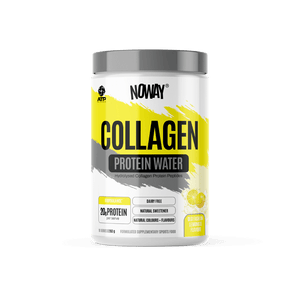
Collagen+ is our house-brand option from Emrald Labs, and Collagen Protein is the protein-water format if you would rather drink it through the day. The full collagen range is worth comparing on grams per serve rather than price per tub.
If muscle is the goal rather than skin, a whey protein is the better buy, because collagen is not a complete protein.
If you are adding collagen to a daily routine, the collagen supplements range covers marine, bovine and grass-fed sources.