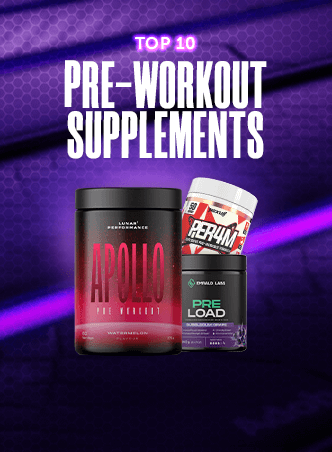













Pre-workout is a supplement, usually a flavoured powder mixed with water, that you take about 20 to 30 minutes before training to support energy, focus and training performance. Most pre-workouts combine caffeine with ingredients like beta-alanine, citrulline and L-tyrosine. Stimulant-free versions swap the caffeine for pump and focus ingredients. It is designed to help you get more out of a session, not to replace good food, sleep and training.
Key points
- What it is. A pre-training supplement, usually a flavoured powder mixed with water.
- When to take it. About 20 to 30 minutes before training.
- What it supports. Energy, focus and training performance.
- Two broad types. Stimulant (contains caffeine) and stimulant-free or caffeine-free.
- Not magic. It is designed to help you get more out of a session, not to replace good food, sleep and training.
Quick facts
-
What it is: a pre-training supplement, most often a flavoured powder you mix with water
-
When people take it: around 20 to 30 minutes before training - see When to Take Pre-Workout
-
What it is formulated to support: energy, focus and training performance
-
Common ingredients: caffeine, beta-alanine, citrulline, L-tyrosine, taurine (sometimes creatine)
-
Two broad types: stimulant (contains caffeine) and stimulant-free / caffeine-free
-
Who it suits: most healthy adults training with intent - not for under-18s, pregnant or breastfeeding women, or people sensitive to caffeine without talking to a healthcare professional first
What is pre-workout?
Pre-workout is exactly what the name suggests: a supplement you take before a workout. In practice it is almost always a flavoured powder you mix with water and drink 20 to 30 minutes before training, though you will also see ready-to-drink cans and capsules.
The point of a pre-workout is to help you turn up to a session feeling switched on rather than flat. Most formulas are built around a few well-known ingredients that are commonly used to support energy, focus and training performance. It is a convenience product: it packages a handful of ingredients you could piece together yourself into one measured scoop.
A pre-workout is not magic, and it is not a substitute for the basics. Sleep, food and a sensible training plan do the heavy lifting. Pre-workout is the thing that helps you get more out of the session you were already going to do. If you want the full breakdown of what goes into a scoop, our Pre-Workout Ingredients guide covers each one.
What does pre-workout do?
Pre-workouts are formulated to support three things people want before training: energy, focus and performance. Here is what that means in plain English, ingredient by ingredient.
-
Caffeine is the main event in most pre-workouts. It is commonly used to support alertness and perceived energy, which is why a stim pre-workout can help a 5am or end-of-day session feel less like hard work.
-
Beta-alanine is included to support training performance in higher-rep and endurance work. It is also the ingredient behind the harmless skin-tingling (paresthesia) a lot of people notice.
-
Citrulline (often as citrulline malate) is a pump ingredient. It supports blood flow to working muscles, which is the "fuller" feeling people describe during a set.
-
L-tyrosine is commonly used to support focus and mental drive, so the session feels more locked-in.
-
Taurine and electrolytes round out many formulas and support hydration and general performance during training.
The honest summary: pre-workout is formulated to support how a session feels and how you perform in it. It will not out-train a bad night's sleep or a skipped meal, and the effect is best thought of as a top-up, not a transformation.
Common pre-workout ingredients
Most pre-workouts, stim or stim-free, are built from a shared shortlist. You do not need to memorise the label, but knowing the main players makes it easy to compare two tubs.
-
Caffeine - the stimulant; the reason a pre-workout feels like a pre-workout.
-
Beta-alanine - performance ingredient; causes the harmless tingling.
-
Citrulline / citrulline malate - the pump ingredient.
-
L-tyrosine - focus.
-
Taurine - performance and hydration support.
-
Creatine - included in some (not all) pre-workouts to support strength and power over time. Many people take it separately instead. See our Creatine range if you want to run it on its own.
-
Electrolytes - sodium, potassium and magnesium to support hydration.
Stim vs non-stim: the two types of pre-workout
The single most useful way to split pre-workouts is by whether they contain caffeine.
-
Stimulant pre-workout (contains caffeine). This is the classic tub. Caffeine is commonly used to support energy and focus, so a stim pre-workout suits morning or midday training when you want to feel switched on. The trade-off is that caffeine has a long tail - take one too late and it can affect your sleep.
-
Stimulant-free / caffeine-free pre-workout (no caffeine). These swap the caffeine for pump and focus ingredients like citrulline, beta-alanine and tyrosine. They suit evening training, a second session in one day, or anyone who is caffeine-sensitive but still wants the pump and focus side of a pre-workout.
Neither type is "better" - it depends on when you train and how you handle caffeine. Plenty of people keep a stim tub for morning sessions and a caffeine-free one for nights.
Pre-workout vs coffee
This is the question almost everyone asks: if pre-workout is mostly caffeine, why not just have a coffee? It is a fair question, and for some people coffee genuinely is enough.
The difference is what sits alongside the caffeine. A coffee gives you caffeine and not much else. A pre-workout gives you caffeine plus the training-specific ingredients above - beta-alanine and citrulline for performance and pump, tyrosine for focus, taurine and electrolytes for hydration.
That is the trade-off in one line: coffee is simpler and cheaper, pre-workout is purpose-built for training.
A few practical points, kept factual:
-
Caffeine dose. A standard coffee and a scoop of stim pre-workout can land in a similar caffeine range, but pre-workouts vary widely and some are much stronger per serve. Always check the label for the caffeine content in milligrams.
-
Consistency. A scoop of pre-workout gives you the same measured dose every time; a home-made or cafe coffee does not.
-
Everything else. Coffee has no beta-alanine, citrulline or electrolytes, so you miss the pump, performance and hydration side.
-
Total daily caffeine. Whichever you choose, count it toward your daily caffeine intake and stay within the recommended guidance.
If all you want is a lift before an easy session, coffee is a perfectly reasonable choice. If you want the pump, focus and performance ingredients as well, that is what a pre-workout adds. And if you like the ritual of coffee but train at night, a caffeine-free pre-workout gives you the training ingredients without the sleep hit.
Is pre-workout right for you? Do you actually need it?
No, you do not need pre-workout - nobody does. It is a convenience and a preference, not a requirement. People who get value from it tend to fall into a few camps:
-
You train early or after a long day and want help feeling switched on.
-
You want the pump, focus and performance ingredients in one measured scoop rather than dosing them separately.
-
You like a consistent pre-training ritual that tells your body it is go time.
Important: Pre-workout is not suitable for under-18s, and if you are pregnant or breastfeeding, sensitive to caffeine, take medication, or have a heart condition or high blood pressure, talk to your healthcare professional before starting one.
It is worth being sensible about who should skip it or check first. Pre-workout is not suitable for under-18s, and if you are pregnant or breastfeeding, sensitive to caffeine, take medication, or have a heart condition or high blood pressure, talk to your healthcare professional before starting one. Start with a half scoop to assess your tolerance, and if in doubt, a caffeine-free option lets you try the format without the stimulant.
This article is general information, not medical advice. Talk to your healthcare professional about your individual needs.
Frequently Asked Questions
What is pre-workout used for?
Pre-workout is used before training to support energy, focus and training performance. It is usually a flavoured powder mixed with water and taken about 20 to 30 minutes before a session. Most formulas combine caffeine with ingredients like beta-alanine, citrulline and tyrosine. Stimulant-free versions leave out the caffeine. Think of it as a top-up for a session you were already going to do, not a replacement for food, sleep and training.
What does pre-workout actually do?
Pre-workout is formulated to support how a session feels and how you perform in it. Caffeine is commonly used to support energy and focus, beta-alanine and citrulline support training performance and the muscle "pump", and tyrosine supports focus. Taurine and electrolytes support hydration. The effect is a top-up, not a transformation - it helps you get more out of a workout, but it will not out-train poor sleep or a skipped meal.
Is pre-workout just caffeine?
No. Caffeine is the main ingredient in most stimulant pre-workouts, but it is not the whole formula. A typical pre-workout also includes beta-alanine and citrulline for performance and pump, tyrosine for focus, and taurine and electrolytes for hydration. That mix is the main difference between a pre-workout and a plain coffee. Caffeine-free pre-workouts leave out the stimulant entirely and rely on the pump and focus ingredients instead.
Is pre-workout the same as coffee?
Not quite. Both give you caffeine, and for an easy session a coffee can be enough. The difference is what comes with it. A pre-workout adds training-specific ingredients - beta-alanine, citrulline, tyrosine, taurine and electrolytes - that coffee does not have. Pre-workout also gives you a consistent, measured caffeine dose each time. Whichever you choose, count it toward your total daily caffeine and check the label for milligrams per serve.
Do you really need pre-workout?
No. Pre-workout is a convenience and a preference, not a requirement, and plenty of people train well without it. It suits people who train early or late and want help feeling switched on, or who like the pump, focus and performance ingredients in one measured scoop. If you already train fed, rested and motivated, you may not notice much. Try a half scoop first to see whether it adds anything for you.
What are the two main types of pre-workout?
Pre-workouts split into stimulant and stimulant-free. Stimulant pre-workouts contain caffeine and suit morning or midday training when you want to feel alert. Caffeine-free pre-workouts leave out the stimulant and rely on pump and focus ingredients like citrulline and beta-alanine, which suits evening sessions, a second daily workout, or anyone sensitive to caffeine. Neither is better - it depends on when you train and how you handle caffeine.
Can beginners take pre-workout?
Beginners can take pre-workout, but there is no rush to. Learning good form, eating enough and sleeping well matter far more early on. If you do want to try it, start with a half scoop to assess your tolerance, ideally a lower-stimulant or caffeine-free option, and take it 20 to 30 minutes before training. Pre-workout is not suitable for under-18s, and if you are unsure, or have any health condition, talk to your healthcare professional first.
Is pre-workout bad for you?
For most healthy adults, a sensibly dosed pre-workout is generally well tolerated. Common experiences like caffeine jitters or harmless beta-alanine tingling are down to the ingredients rather than a sign something is wrong. Keep your total daily caffeine within recommended guidance, avoid taking it too close to bed, and start with a lower dose. Pre-workout is not suitable for under-18s or during pregnancy or breastfeeding - if you have a health condition or take medication, check with your GP first.
Related products
-
Total War (Redcon1): a well-known stimulant pre-workout, mid-stim
-
Pre Load (Emrald Labs, Australian brand): everyday pre-workout
-
Pre Pump (Emrald Labs): caffeine-free / stimulant-free option