














L-carnitine is one of the most consistently sold fat-loss supplements and one of the least consistently supported. Here is what it actually does, where the evidence is genuinely reasonable, and where it is not.
We stock it. We would rather explain the difference than repeat the marketing.
Key points
- A transport molecule. Moves fatty acids into mitochondria.
- Your body makes its own. Most people are not short.
- Weak fat-loss evidence in healthy, non-deficient people.
- Better evidence for recovery than for fat burning.
- Two different forms doing two different jobs.
What L-carnitine actually does
L-carnitine transports long-chain fatty acids across the mitochondrial membrane so they can be used for energy. That is a real and essential function, and it is the basis of every fat-burning claim made for it.
The logic runs: carnitine transports fat for burning, therefore more carnitine means more fat burned. It is intuitive, and it is where the reasoning breaks down.
Transport is not the limiting step for most people. Your body synthesises carnitine from lysine and methionine, and you also get it from meat and dairy. In healthy people with a normal diet, muscle carnitine is not in short supply, so adding more does not remove a bottleneck that was not there.
Does it help with fat loss?
The evidence is weak, and we would rather say so on a page that sells it.
Trials in healthy adults have generally found small or no effects on body composition. Some meta-analyses report modest weight reductions, often in populations that were overweight or had a condition affecting carnitine status; results in trained, healthy people are considerably less impressive.
There is also a practical problem: raising muscle carnitine through oral supplementation is difficult. Studies achieving it have generally needed large doses taken alongside a substantial carbohydrate load, over weeks to months, because insulin is involved in uptake. A capsule on an empty stomach is unlikely to reproduce that.
Fat loss still comes from sustained energy balance. No transport molecule changes that arithmetic.
Where the evidence is better
Recovery, and it gets far less attention than the fat-burning angle.
Several studies have reported reduced markers of muscle damage and reduced soreness after intense exercise with L-carnitine supplementation. The trials are small and not entirely consistent, but the signal is more encouraging here than for body composition.
If you were going to take it, recovery is a more honest reason than fat loss.
Acetyl L-carnitine and plain L-carnitine are not the same
Worth understanding before buying, because they are often treated as interchangeable.
- L-carnitine tartrate is the form most used in exercise research, particularly the recovery studies.
- Acetyl L-carnitine (ALCAR) crosses the blood-brain barrier more readily and is studied more in relation to cognition and neurological function than to body composition.
Buying ALCAR expecting the muscle recovery findings, or tartrate expecting the cognitive research, is a common mismatch.
Who might genuinely benefit?
- Vegetarians and vegans. Dietary carnitine comes mainly from meat, so intake is lower. Your body still makes its own, but this is the group where supplementation is most defensible.
- Older adults, where levels tend to decline.
- People with a diagnosed deficiency, which is uncommon and a medical matter.
- Anyone targeting recovery rather than fat loss, with realistic expectations.
For a healthy omnivore chasing fat loss, it is one of the weaker purchases available.
Is it safe?
Generally well tolerated at typical doses. Higher doses can cause nausea and a distinctive body odour, which is the most commonly reported complaint.
There has been research interest in carnitine, gut bacteria and TMAO, a compound studied in relation to cardiovascular risk. The picture is unresolved and it is not a reason for alarm, but it is worth knowing that the long-term high-dose question is not fully settled.
If you have kidney disease or are on thyroid medication, speak to your doctor first.
What to spend the money on instead
- A sustained calorie deficit. The only thing that causes fat loss.
- Enough protein. Preserves muscle and reduces hunger.
- Resistance training. Decides how much of the loss is fat.
- Caffeine, if you want a supplement with real evidence for training performance.
- Creatine, the best-evidenced supplement there is.
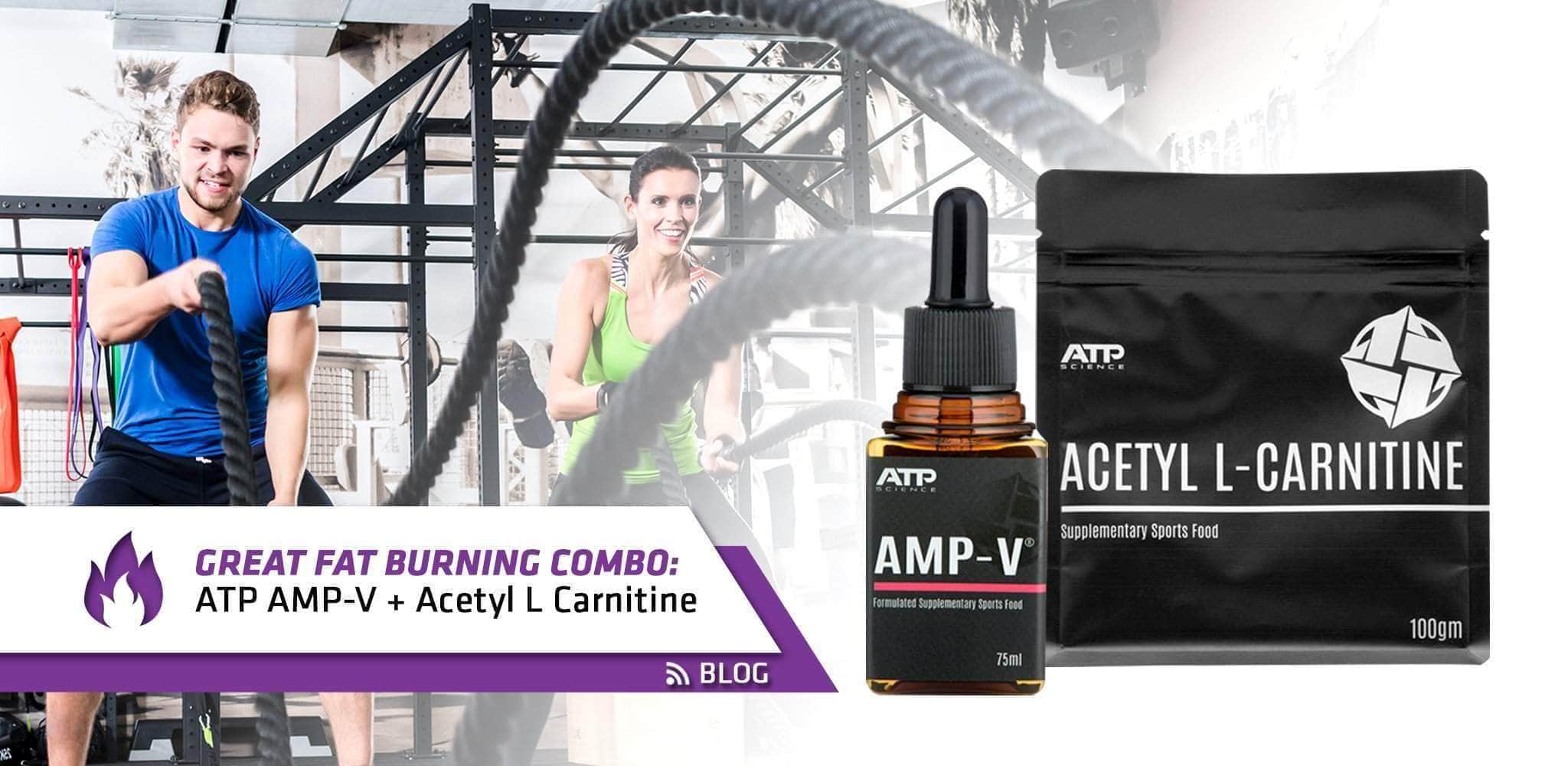
If you still want to try carnitine, ALCAR Capsules is our house-brand option and L-Carnitine is the ATP Science alternative.
Where to go next