

Protect Your Orderi
from Loss, Damage Or Stolen A$2.09
TODAY'S EXCLUSIVE ELITE DEALS!
(scroll down to see all)
Electrolyte Gummy
Vitamin C Gummy
Protein Crisp Bar | Single
Faction Labs Creatine Monohydrate 150g
Nootropic Gummy
Apple Cider Vinegar Gummy
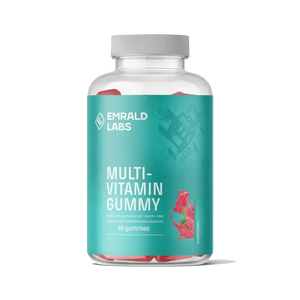
Multivitamin Gummy
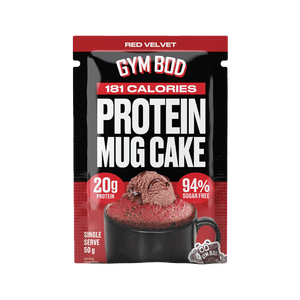
Protein Mug Cake Sachet
Bottle Cleaning Tablets
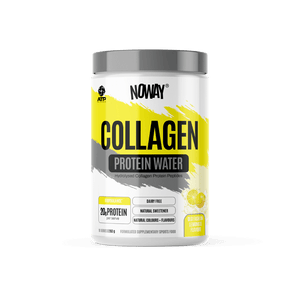
Noway Protein Water Sample
Electric Hand Mixer
Nasal Strips
Mouth Tape
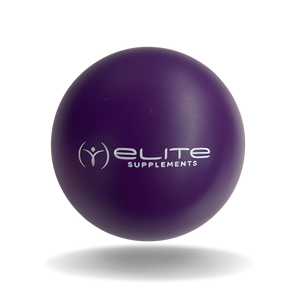
Massage Ball
Measuring Scoop
Elite Gym Towel
Sleep Gummies
Training Duffle Bag
Digital Food Scale
E-Book - Four Weeks to a Lifetime
1600 Cals Meal Plan For Women
2200 Cals Meal Plan For Men
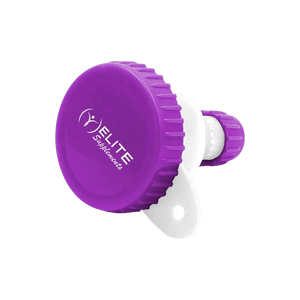
Funnel
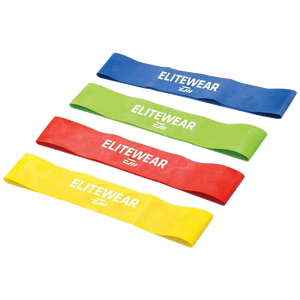
Elite Supps Latex Resistance Bands
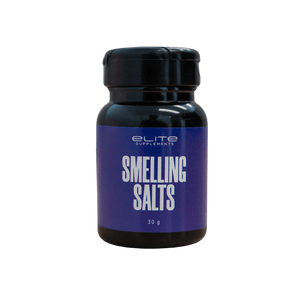
Smelling Salts - Low Strength
Scitec Water Jug
Pill Organiser | 7 Compartments
Optimum Nutrition Tote Bag

Popular Searches


Popular Searches
Popular Categories
Best selling products

Shop whey protein in Australia at Elite Supps. Loaded with the amino acids your muscles need, whey protein is the most popular supplement for building lean muscle, supporting recovery and topping up your daily protein. It absorbs quickly, so your muscles get what they need right after training, and it mixes into a fast, great-tasting shake. Every member of our team is a certified nutritionist, so you can choose with confidence.
Whey is one of the two proteins found in milk (the other is casein). When milk is made into cheese, it separates into curds and liquid whey - that whey is then filtered, purified and dried into the powder you scoop into your shaker. The result is a complete protein, meaning it contains all nine essential amino acids your body cannot make on its own (1), in a form that digests quickly. It is naturally high in the branched-chain amino acid leucine, the key trigger for muscle protein synthesis, which is a big part of why whey is so effective around training.
Not all whey is the same. The difference comes down to how far the whey is filtered: the more it is processed, the higher the protein percentage and the lower the fat, carbs and lactose - but the higher the price. Here is how the main types compare, and where to find each.
Isolate is whey filtered further to strip out most of the fat, carbs and lactose, leaving roughly 90% protein by weight. That makes it the leanest, fastest-digesting and most expensive type - and the go-to if you are cutting, watching your macros, or mildly lactose intolerant. You get more protein per calorie with very little else. Browse the full whey protein isolate range.
Concentrate is the original, best-value whey - around 70 to 80% protein, keeping a little more of the natural fats, carbs and beneficial milk fractions. It is creamier, tastes great, and costs less, which makes it the everyday all-rounder for building muscle on a budget. The small amount of extra lactose is fine for most people. Explore our whey protein concentrate range.
Hydrolysed whey is "pre-digested" - the protein is broken into smaller peptides during manufacturing, so it absorbs even faster and is gentle on digestion. It is the premium, fastest option, popular for rapid post-training recovery, though it can taste slightly bitter and costs more. See our hydrolysed whey protein range.
Many of the most popular proteins are blends that combine isolate and concentrate - and sometimes a little hydrolysed whey or casein - to balance fast absorption, great taste and value in one tub. If you want a reliable everyday protein without overthinking it, a blend is a smart pick. Browse whey protein blends.
For healthy, active people, whey is a safe and well-studied way to top up protein (7). It is food, not a drug - made from milk - and used sensibly it simply helps you reach the protein intake that supports your training. You may have seen claims that protein is hard on the kidneys: that concern relates to people who already have kidney disease, not healthy individuals. As with any supplement, if you have a kidney condition or another medical issue, are pregnant or breastfeeding, or take medication, check with your GP or pharmacist first. And remember a protein powder works best alongside a balanced, whole-food diet - it is a supplement, not a replacement for real meals.
A common evidence-based target for active people is around 1.6 to 2.2 grams of total protein per kilogram of body weight a day, from food and shakes combined (7). Our free protein intake calculator turns that into a daily gram target for your body weight and goal. Most people get some from meals and top up the rest with one or two whey shakes of 20 to 25g each. A serve around training is a convenient, popular time - whey's fast absorption suits the post-workout period - but the research is clear that your total daily protein matters far more than exact timing (6). Mix one scoop with water or milk before, after or any time you need a protein hit.
Match the whey to your goal and budget:
Then check the protein per serve (20-25g is a solid hit), the sugar and carbs, and whether digestive enzymes are added if you are prone to bloating. After that it comes down to taste and mixability - we stock trusted brands like Optimum Nutrition, Ghost and ATP Science, known for both.
Whey suits almost anyone wanting to build or maintain muscle and recover well - from beginners taking their first scoop to seasoned lifters. It is just as effective for women as for men (it will not make you "bulky" on its own), useful when you are dieting to protect muscle while you lose fat, and an easy way for busy people to hit their protein target. If you are dairy-free or vegan, a plant-based protein is the way to go instead, and women can also explore our protein for women range.
Compare whey isolate, concentrate, hydrolysed and blends, or browse casein, mass gainer and our top 10 protein powders. Our certified nutritionists can help. References for the research cited above are listed below.
Not sure whether you need isolate or concentrate? Our team compares them in isolate vs concentrate, and covers dosing in how often to have protein powder.
Whey and isolate lines move in and out of reduction as stock rotates, so the price gap between concentrate and isolate changes week to week.
Current reductions sit on our supplement sale and clearance page, with the deepest discounts on clearance.
Yes - whey is a fast-absorbing complete protein with all the amino acids needed for muscle growth and repair (1), which makes it one of the most effective and popular options alongside training.
Isolate (WPI) is leaner and lower in carbs and lactose, great for cutting; concentrate (WPC) is a balanced, better-value all-rounder. Both build muscle well.
After training is popular for fast recovery, but any time you need to top up protein works. Whey absorbs quickly, so it suits around your workout.
Whey isolate is mostly lactose-free and suits many people with mild intolerance. For full avoidance, see our lactose-free range.
Right here at Elite Supplements, with one of the country's biggest ranges. Our certified nutritionists can help. Shop online or visit any of our 160+ stores.
Whey is one of the two proteins in milk (the other is casein). It is separated from milk during cheese-making, then filtered and dried into a powder. It is a complete protein, with all nine essential amino acids (1).
Whey is well studied and well tolerated by healthy adults at sensible intakes. The concern about protein and kidney health applies to people who already have kidney disease - if that is you, or you have another medical condition, are pregnant or breastfeeding, or take medication, speak with your doctor first.
Most active people aim for around 1.6 to 2.2g of total protein per kilo of body weight a day, from food and shakes combined. A typical whey serve gives 20 to 25g, so one or two serves a day is common to top up your target.
Reductions run year round rather than only during sale events, and the lines change as stock rotates. Our sale and clearance page always shows what is currently reduced.
1. Hoffman, J. R., & Falvo, M. J. (2004). Protein - Which is Best? Journal of Sports Science & Medicine, 3(3), 118-130. https://www.ncbi.nlm.nih.gov/pmc/articles/PMC3905294/
2. West, D. W. D., et al (2017). Whey Protein Supplementation Enhances Whole Body Protein Metabolism and Performance Recovery after Resistance Exercise: A Double-Blind Crossover Study. Nutrients, 9(7), 735. https://doi.org/10.3390/nu9070735
3. Pasiakos, S. M., McLellan, T. M., & Lieberman, H. R. (2015). The effects of protein supplements on muscle mass, strength, and aerobic and anaerobic power in healthy adults: a systematic review. Sports Medicine, 45(1), 111-131. https://doi.org/10.1007/s40279-014-0242-2
4. Cintineo, H. P., Arent, M. A., Antonio, J., & Arent, S. M. (2018). Effects of Protein Supplementation on Performance and Recovery in Resistance and Endurance Training. Frontiers in Nutrition, 5, 83. https://doi.org/10.3389/fnut.2018.00083
5. Frestedt, J. L., et al (2008). A whey-protein supplement increases fat loss and spares lean muscle in obese subjects: a randomized human clinical study. Nutrition & Metabolism, 5, 8. https://doi.org/10.1186/1743-7075-5-8
6. Aragon, A. A., & Schoenfeld, B. J. (2013). Nutrient timing revisited: is there a post-exercise anabolic window? Journal of the International Society of Sports Nutrition, 10(1), 5. https://doi.org/10.1186/1550-2783-10-5
7. Jager, R., et al (2017). International Society of Sports Nutrition Position Stand: protein and exercise. Journal of the International Society of Sports Nutrition, 14, 20. https://doi.org/10.1186/s12970-017-0177-8
Funnel
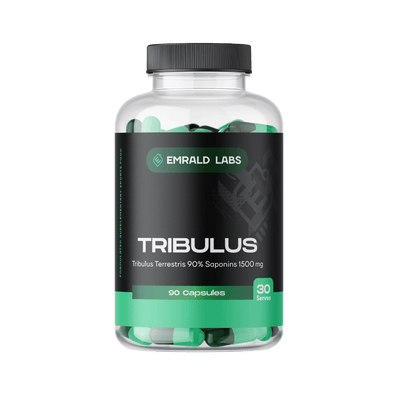
Tribulus
Smelling Salts - Low Strength
Don't stress! If something happens to your parcel we'll cover the costs!