







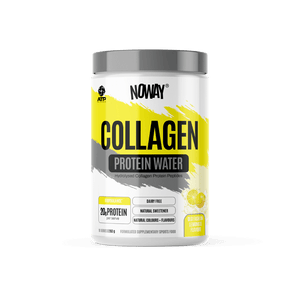










Collagen peptides and whey protein are both protein supplements, but they do different jobs. Whey is a complete protein from milk, rich in the amino acids used for muscle recovery, so it is the usual choice around training. Collagen peptides are rich in glycine and proline and are used to support the appearance of skin, hair and nails and to support connective tissue. They are not interchangeable, and many people take both.
Key points
- Whey is complete. A complete protein from milk, rich in the amino acids used for muscle recovery.
- Collagen targets skin and tissue. Rich in glycine and proline, used for skin, hair, nails and connective tissue.
- More protein from whey. A standard whey serve delivers more per serve than a standard 10g collagen serve.
- Not interchangeable. They do different jobs, and many people take both.
- Choose by goal. Whey for muscle recovery, collagen for skin and connective tissue, or both.
At a glance
Collagen peptides
-
Source: Bovine or marine collagen
-
Complete protein?: No (low in some essential amino acids)
-
Rich in: Glycine, proline, hydroxyproline
-
Commonly used for: Skin, hair, nails, connective tissue
-
Typical serve: ~10g
-
Mixability: Dissolves in hot or cold liquids
Whey protein
-
Source: Milk
-
Complete protein?: Yes
-
Rich in: Full essential amino acid profile, high leucine
-
Commonly used for: Muscle recovery around training
-
Typical serve: ~25–30g
-
Mixability: Mixes into shakes, can foam
Different amino acids, different jobs
The key difference is the amino-acid profile, and it explains everything else.
Whey protein is a complete protein, meaning it contains all nine essential amino acids your body cannot make. It is particularly high in leucine, the amino acid most associated with the body's muscle-building processes, which is why whey is used to support muscle recovery around training. A standard serve delivers roughly 25–30g of protein.
Collagen is not a complete protein. It is very rich in glycine, proline and hydroxyproline - the amino acids that make up collagen in skin and connective tissue - but it is low in some essential amino acids, including tryptophan. That makes it excellent for topping up the specific building blocks of collagen, but not a substitute for a complete protein if your goal is muscle. So whey is built around muscle, and collagen around skin and connective tissue.
These do different jobs, so plenty of people take both. Browse collagen protein powder for skin, hair, nails and connective tissue, and the whey protein range for muscle recovery.
What each is commonly used for
Whey protein is commonly used to support muscle recovery when combined with training, and to help hit a daily protein target. It suits anyone training regularly or simply wanting a convenient, complete protein. Browse the full protein powder range.
Collagen peptides are commonly used as part of a daily routine to support the appearance of skin, hair and nails, and to support connective tissue, since collagen is a major component of it. Browse collagen supplements.
This is a supplementary product and is not intended to diagnose, treat, cure, or prevent any disease.
Protein content compared
If your main aim is raw protein, whey wins on quantity and quality: more grams per serve and a complete amino-acid profile. Collagen adds protein too, but a standard 10g collagen serve provides less than a typical whey serve, and it is an incomplete protein. Grass-fed collagen protein powders sit in between - they deliver more protein than a pure collagen peptide while still being collagen-based - which is why some people use them as a middle option. See collagen protein powder.
Can you take collagen and whey protein together?
Yes, and many people do. A common approach is whey around training for recovery, and a collagen peptide separately as part of a daily skin-and-connective-tissue routine. They do not interfere with each other, and taking both simply covers two different goals.
Some products even combine the two into a single blend. If you want to control the serve and timing of each, keep them separate; if convenience matters more, a blend works.
When to take each
Whey: commonly taken around training - before or after a session - or any time you need to top up protein. Timing is flexible; total daily protein matters more than the exact moment.
Collagen: taken consistently at any time of day, because it works gradually over weeks rather than in the moment. Many people stir it into a morning coffee or smoothie so they do not forget.
Which should you choose?
Choose whey protein if your main goal is supporting muscle recovery and hitting a daily protein target, especially around training.
Choose collagen peptides if your focus is the appearance of skin, hair and nails, or supporting connective tissue.
Choose both if you want to cover muscle recovery and a skin-and-connective-tissue routine - they are complementary, not competing.
FAQ
Is collagen or whey protein better?
Neither is better outright; they do different jobs. Whey is a complete protein used to support muscle recovery around training. Collagen peptides are used to support the appearance of skin, hair and nails and to support connective tissue. The right one depends on your goal, and many people take both.
Can collagen replace my protein powder?
Not really. Collagen is not a complete protein, so it is not a like-for-like swap for whey if your goal is muscle recovery and a full amino-acid profile. Collagen adds to your protein intake but is used mainly for skin, hair, nails and connective tissue.
Is collagen a complete protein?
No. Collagen is rich in glycine, proline and hydroxyproline but is low in some essential amino acids, including tryptophan, so it is classed as an incomplete protein. Whey, from milk, is a complete protein with all nine essential amino acids.
Can I mix collagen and whey in the same shake?
Yes, you can combine them, and some blends already pair the two. If you want to control the serve of each, keep them separate. Both hydrolysed collagen and whey mix easily into liquids.
Which has more protein per serve?
Whey typically delivers a larger protein serve (around 25–30g) than a standard collagen serve (around 10g), and whey provides a complete amino-acid profile. Grass-fed collagen protein powders sit in between, offering more protein than a pure collagen peptide.
Does collagen help build muscle like whey?
Whey is the protein associated with supporting muscle recovery when combined with training, thanks to its complete profile and high leucine. Collagen is used mainly for skin, hair, nails and connective tissue, and is not a substitute for a complete protein if muscle is your goal.
Should I take whey or collagen for skin?
Collagen peptides are the supplement used to support the appearance of skin, hair and nails. Whey is a complete protein used for muscle recovery and general protein intake. For a skin-led routine, collagen - especially a predominantly type I marine collagen - is the usual choice. See collagen for skin.
Important: This article is general information only and is not a substitute for personalised advice from your healthcare professional.