




















Creatine dosing is refreshingly simple. There is one number that matters for almost everyone, one habit that makes it work, and very little else to think about.
This guide covers how much creatine to take each day, whether more is better, whether you truly need it daily, and how much your body weight changes the picture.
Key points
- Consistency wins. Taking creatine every day matters more than the exact dose or the time of day.
- One daily dose. A single serve keeps your muscle stores saturated, rest days included.
- More is not better. Once your muscles are saturated, extra creatine gives no added benefit.
- Loading is optional. It only fills your stores faster, not fuller.
- Body weight matters only a little. The same everyday dose covers most adults.
How much creatine should you take per day?
The standard maintenance dose of creatine monohydrate is 3 to 5 grams per day (Kreider et al., 2017), taken every day whether or not you train. A single daily dose keeps your muscle creatine stores saturated over time. You do not need to cycle on and off it, and the time of day you take it does not change the result. Consistency matters more than any other variable, and a typical creatine serve is 5 grams.
Do you need to load?
If you want stores topped up faster, a short loading phase is optional. Loading fills your muscles in days rather than weeks, but skipping it reaches exactly the same saturation point, just more slowly (Kreider et al., 2017). We cover the pros and cons in the creatine loading guide.
Choosing a format
A flat 3 to 5 grams a day is the maintenance approach most people use (Kreider et al., 2017).
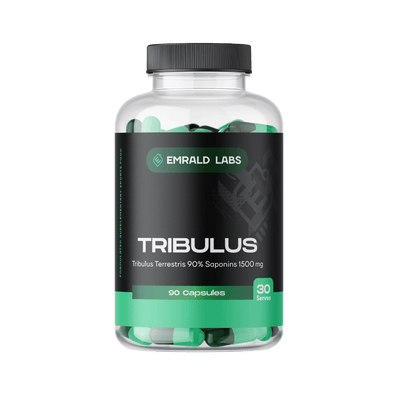
House-brand Emrald Labs Creatine Monohydrate is an unflavoured, mixable option; the flavoured version and the capsules suit anyone who prefers a set-and-forget dose. If you prefer counting a fixed number rather than scooping powder, capsules can make daily dosing easier, and we compare them in the creatine capsules guide.
How much creatine is too much?
For healthy adults, creatine has a strong safety record at everyday maintenance doses, including in long-term use (Kreider et al., 2017).
Your muscles can only hold so much: once they are saturated, taking more than the usual 3 to 5 grams a day gives no extra benefit (Kreider et al., 2017). Very large single doses are simply more than your body can use and offer no advantage. With creatine, more is not better.
Important. If you have a kidney condition, or you are unsure, speak to your GP before supplementing.
Spending more is wasted
The practical takeaway is that spending more on a bigger daily serve is money down the drain once your stores are full. Split a loading dose across the day if you choose to load, and otherwise stick to one modest daily serve (Kreider et al., 2017). For a fuller picture of tolerance, bloating and water retention, see the creatine side effects guide.
Do you need to take creatine every day?
Yes, creatine works best taken every day, including rest days (Kreider et al., 2017). The goal is to keep your muscle creatine stores topped up, and that depends on total daily intake and consistency rather than on which days you train.
Missing the odd day will not undo your progress, but a daily dose is the simplest way to stay saturated. You do not need to cycle creatine on and off; because a daily dose is what keeps your stores saturated, taking breaks simply lets them fall away again (Kreider et al., 2017).
Pick a time you will remember
Because timing across the day makes little difference, pick a moment you will not forget: with breakfast, in your pre-workout, or in a post-training shake. For more on this, see when to take creatine.
Does body weight change the dose?
Body weight has a modest influence on creatine dosing. Larger and more muscular people hold more creatine in their muscles, so some guidance scales the dose to body weight, for example around 0.3 grams per kilogram of body weight when loading (Kreider et al., 2017).
In practice, 3 to 5 grams a day covers most adults (Kreider et al., 2017), and heavier or highly muscular individuals may sit at the upper end of that range. There is no need for a precise calculation; a consistent daily 5 gram dose works for the large majority.
Sex, age and diet
Sex, age and diet make far less difference to the maintenance dose than consistency does.
The same 3 to 5 grams a day applies to women and men (Kreider et al., 2017). To see how a steady daily dose translates into results over the first weeks and months, read creatine before and after.
The short version
- Take 3 to 5 grams of creatine monohydrate per day (Kreider et al., 2017).
- Take it every day, including rest days. Consistency beats timing (Kreider et al., 2017).
- More than your muscles can store gives no extra benefit once they are saturated (Kreider et al., 2017).
- Heavier, more muscular people may sit at the top of the range (Kreider et al., 2017).
- Loading is optional and only fills your stores faster, not fuller (Kreider et al., 2017).
The doses above assume standard monohydrate, which you will find in our creatine monohydrate range.
Ready to start? Browse the full range at creatine supplements.
References
- Kreider RB, Kalman DS, Antonio J, et al. International Society of Sports Nutrition position stand: safety and efficacy of creatine supplementation in exercise, sport, and medicine. J Int Soc Sports Nutr. 2017;14:18. https://pmc.ncbi.nlm.nih.gov/articles/PMC5469049/
This article is general information only and is not medical or dietary advice. Creatine may support training and recovery as part of a balanced diet and exercise routine. It is not intended to diagnose, treat, cure or prevent any condition. If you are pregnant, breastfeeding, have a medical condition or take medication, speak to your GP or a qualified health professional before starting any supplement.