
















Collagen is the most abundant protein in skin and its main structural component. Natural collagen production gradually declines with age. Many people take a collagen supplement as part of a daily routine to support the appearance of skin and to support skin hydration. Marine collagen, which is predominantly type I, is the type most associated with skin. Collagen works gradually, so it is taken consistently over several weeks.
Key points
- Skin's main structural protein. Collagen is the most abundant protein in skin, sitting mainly in the dermis.
- Declines with age. Natural production gradually slows from your mid-twenties.
- Type I is the skin type. Marine collagen is predominantly type I, the type most associated with skin.
- Common serve. Around 5g to 12g of hydrolysed collagen peptides a day.
- Works gradually. Take it consistently over several weeks, alongside sun protection and a balanced diet.
How collagen relates to the skin
Skin has three layers, and collagen sits mainly in the middle layer, the dermis. There it forms a large part of the skin's structure - the scaffolding that gives skin its firmness and support, alongside elastin and hyaluronic acid. Type I collagen is the dominant type in skin, with type III alongside it.
Your body makes its own collagen continuously, but from your mid-twenties that natural production gradually slows, and factors like sun exposure, smoking and a poor diet can add to the decline. This is part of the normal ageing of skin: it gradually becomes thinner and less firm over time. A collagen supplement supplies the amino-acid building blocks - glycine, proline and hydroxyproline - and the type I peptides that skin is rich in.
It is worth being clear about what a supplement does and does not do: collagen is taken as part of a daily routine to support the appearance of skin and skin hydration. It is not a treatment, and any change builds gradually with consistent use.
What the research suggests
Collagen and skin is one of the more studied areas of supplementation. A 2023 systematic review and meta-analysis of 26 randomised controlled trials, published in the journal Nutrients, reported improvements in skin hydration and elasticity with oral collagen taken daily, generally over a period of several weeks. Independent reviews, including by Australian consumer body CHOICE, have also examined collagen supplements and skin and note that while results are promising, study quality varies and many trials are industry-funded.
The honest summary: the evidence is encouraging but still developing, the effects that have been measured are modest, and a supplement works best alongside the basics rather than instead of them.
How your body makes it
Your body builds collagen from amino acids obtained from protein in your diet, combined with several nutrients that the process cannot proceed without.
- Amino acids, particularly glycine and proline, from dietary protein.
- Vitamin C. Non-negotiable. Collagen synthesis physically cannot occur without it, which is why severe vitamin C deficiency causes scurvy, a disease largely of collagen failure.
- Zinc and copper, as cofactors.
This is why adequate protein and vitamin C matter more than most people realise. A collagen supplement on top of an inadequate diet is solving the wrong problem.
Why it declines
Collagen production begins to decrease from the mid-twenties, and continues gradually from there. This is normal ageing, not a deficiency, and no supplement stops it.
Be wary of anything framing normal ageing as a correctable deficiency. That framing sells a lot of product.
What genuinely accelerates the decline is well established:
- UV exposure. The single largest factor. Ultraviolet radiation directly degrades collagen and triggers enzymes that break down more of it. This is why sun-exposed skin ages visibly faster than skin that is usually covered, and you can see the effect on your own forearms compared with your upper arms.
- Smoking. Reduces blood flow to skin and accelerates collagen breakdown.
- High sugar intake. Sugars can bind to collagen fibres in a process called glycation, making them stiffer and more brittle.
- Poor sleep. Affects skin barrier function and repair.
- Inadequate protein. No raw material, no collagen.
What protects it, in order
If you want to preserve the collagen you have, this is the order that matters:
- Daily sunscreen. Nothing else on this list comes close. If you do one thing, do this.
- Do not smoke.
- Eat enough protein, and get adequate vitamin C.
- Sleep properly.
- Consider a topical retinoid. Better evidence for skin appearance than any oral supplement.
- Then, if you like, a collagen supplement.
We sell the thing at number six. It is at number six for a reason, and telling you otherwise would not serve you.
Which collagen is best for skin?
Marine collagen is predominantly type I, the collagen type most associated with skin, which is why it is the usual choice for a skin-led routine. It is not suitable for anyone with a fish allergy.
Bovine collagen contains type I and III and also supports the appearance of skin, hair and nails, with the bonus of added protein.
Both deliver type I, so either can suit a skin routine; marine is simply the more common skin-specific pick.
How to use collagen for skin
A common serve is around 5g to 12g of hydrolysed collagen peptides a day, mixed into a drink of your choice. Because collagen works gradually, consistency over several weeks matters more than the timing of each serve. Most people find it easiest to attach it to an existing habit, like a morning coffee or smoothie.
Some people pair collagen with vitamin C, which the body uses in its own collagen formation, although a balanced diet usually provides enough. Beyond the supplement, the skin basics do the heavy lifting: sun protection, not smoking, sleep, hydration and a diet with enough protein and vitamin C.
This is a supplementary product and is not intended to diagnose, treat, cure, or prevent any disease.
How long does it take?
Because collagen acts gradually, it is taken consistently over time rather than for a quick result. Studies in this area typically run over several weeks of daily use before measuring skin parameters, so a similar timeframe is a realistic expectation. If you try collagen, give it a consistent run of at least a couple of months and keep the rest of your routine steady so you can judge it fairly.
Which foods contain collagen?
Collagen sits in animal connective tissue: bone broth, slow-cooked cuts like osso buco and oxtail, skin-on chicken, fish skin, and gelatine, which is simply cooked collagen and by far the cheapest source.
No plant food contains collagen. What plants provide is what your body needs to build its own: vitamin C, zinc, and amino acids. Citrus, capsicum and berries are all worth more to your skin than most people credit.
Why is collagen protein powder good for you?
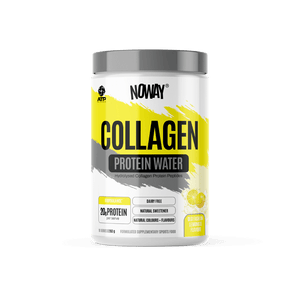
As a naturally-occurring protein in the human body, collagen protein supplements can help support your body's health and well-being.
One reason people take collagen protein powder is to help build muscle mass. Supplementing with collagen protein powder after a workout or on a daily basis may help support general health and wellbeing as part of an active lifestyle.
Furthermore, collagen helps support the structures in your skin, hair, and nails. Collagen is a naturally occurring protein found in connective tissue and may help support the appearance of skin, hair, and nails. It may help support the appearance of skin so you look your best.
Another reason collagen protein powder is good for you is that it can help ensure your joints are functioning correctly. Collagen aids your ligaments, joints, and tendons, so Collagen is a naturally occurring protein that contributes to the structure of bones.
Who are collagen supplements good for?
Collagen protein powder can benefit a wide range of people, from athletes to the elderly. Many athletes take collagen supplements alongside other protein powders to support workouts and encourage gains. By supporting their muscles and joints, athletes also benefit by taking collagen to promote recovery.
Medical professionals may also suggest that older people take a daily collagen protein powder supplement. Muscles and other connective tissue can deteriorate as you age, so ensuring your body has enough collagen protein may help support general health and wellbeing.
Collagen protein powder is also suitable for anyone over the age of 30 who wants to maintain a healthy, active lifestyle. Most people produce enough collagen during the first 30 years of life. However, collagen protein production slows down at around 30. Anyone over 30 should consider supplementing their collagen levels with protein powder to maintain a healthy body.
Can you take collagen powder supplements every day?
Because collagen is a natural protein that is found in your body anyway, it is safe to take collagen protein supplements every day.
Collagen supplements, especially capsules, tablets, and powders, are considered non-toxic and can be very good for you if taken regularly as part of a healthy lifestyle. You should check the box or bottle of your supplement to see the suggested dose.
Always follow the dosage directions on the product label. Typical serving sizes vary by product. If you've never taken collagen supplements before, you can start with lower doses and build up to taking more.
Important: If you've ever wondered if collagen protein powder is good for you, then you can always check with your doctor.
Add Collagen Protein Powder to Your Daily Routine
If you've ever wondered if collagen protein powder is good for you, then you can always check with your doctor. But chances are, adding collagen protein to your daily routine will have a considerable number of benefits.
From helping improve your skin's elasticity to supporting muscle growth, almost everyone can benefit from ensuring their body is getting enough collagen. Taken in the right amounts, collagen protein powder can help ensure your body is healthy and you are able to live your best life.
Setting realistic expectations
Collagen is one input among many for skin, and not the most powerful. Sun protection has a far bigger effect on how skin ages than any supplement. Think of a collagen supplement as a supporting part of a daily routine - taken consistently, used to support the appearance of skin and skin hydration - rather than a treatment or a quick fix.
Important: If you have a specific skin concern, a doctor or dermatologist is the right person to advise you.
Who should not take collagen?
- Anyone with a fish allergy should avoid marine collagen.
- Vegans and vegetarians. All collagen supplements are animal derived. There is no plant collagen, and products described as "vegan collagen" are collagen builders: vitamin C, zinc and amino acids that support your own production.
- Pregnant or breastfeeding, without checking with your GP.
- Anyone with kidney disease, who should discuss any protein supplement with their doctor.
FAQs
Does collagen help your skin?
Collagen is the main structural protein in skin, and a collagen supplement is commonly used as part of a daily routine to support the appearance of skin and skin hydration. A 2023 meta-analysis of randomised controlled trials reported improvements in skin hydration and elasticity with daily oral collagen over several weeks, though the effects measured were modest and the evidence is still developing. Results build gradually with consistent use, alongside basics like sun protection and a balanced diet.
Which type of collagen is best for skin?
Type I collagen is the type most associated with skin. Marine collagen is predominantly type I, which is why it is often chosen for a skin-led routine; bovine collagen contains type I and III and also supports the appearance of skin, hair and nails.
How long does collagen take to work for skin?
Collagen works gradually, so it is taken consistently over a period of weeks rather than as a one-off. Studies typically run over several weeks of daily use, so give it a consistent run of at least a couple of months and keep the rest of your routine steady.
How much collagen should I take for skin?
A common serve is around 5g to 12g of hydrolysed collagen peptides a day. Follow the directions on your product, as serving sizes vary by brand, and take it consistently.
Is marine or bovine collagen better for skin?
Both supply type I collagen, the type most associated with skin. Marine collagen is predominantly type I and is the more common skin-specific pick; bovine collagen contains type I and III and also supports the appearance of skin, hair and nails. Choose the one that fits your goals and that you will take every day.
Marine collagen is the source most often chosen for a skin-led routine, because it is predominantly type I. You can browse the marine collagen range, or see the full collagen range if you want to compare sources first.
Can I get collagen from food instead?
Your body makes its own collagen from the amino acids and nutrients in a balanced diet, and foods like bone broth contain collagen directly. A varied diet with enough protein and vitamin C supports your skin's needs; a supplement is simply a convenient way to add hydrolysed collagen on top.
Do collagen supplements support skin appearance?
Collagen supplements are used to support the appearance of skin and skin hydration as part of a daily routine. Research has measured modest improvements in skin hydration and elasticity, but a supplement is not a wrinkle treatment, and sun protection has a much larger effect on how skin ages. For a specific concern, see a doctor or dermatologist.