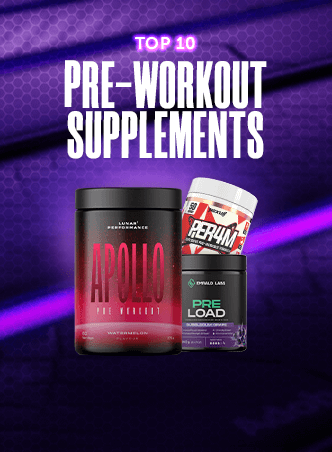

















Pre-workout supplements are widely used and generally well tolerated by healthy adults. The most talked-about experiences are a harmless tingling on the skin from beta-alanine and caffeine-related effects like jitters or trouble sleeping if taken late. These are common, short-lived and not medical events. You can make them less likely by starting with a lower dose, assessing your tolerance, timing your serve earlier and choosing a caffeine-free option.
Key points
- Most common effect. Harmless beta-alanine tingling that passes in 30-60 minutes.
- Caffeine effects. Jitters, a racing feeling, or trouble sleeping if taken too late.
- Crash and stomach. Usually linked to dose, hydration and timing, not medical events.
- Easiest lever. Start with half a serve, time it earlier, or pick a caffeine-free option.
- Not for everyone. Under-18s, pregnant/breastfeeding, heart conditions and caffeine-sensitive people should talk to a GP first.
Quick facts
-
Most common: tingling/prickling (paresthesia) from beta-alanine, harmless, passes in 30-60 min
-
Caffeine-related: jitters, racing feeling, trouble sleeping if taken too late
-
The "crash": energy dip as caffeine wears off
-
Digestive: unsettled stomach, often linked to dose/empty stomach/hydration
-
Easiest lever: start with half a serve, pick caffeine-free if sensitive/training late
-
Not for everyone: under-18s, pregnant/breastfeeding, heart conditions, medications, caffeine-sensitivity - always talk to GP first
This article describes common experiences people report - general information only, not a diagnosis, treatment, cure or prevention of any condition.
Are pre-workout side effects dangerous?
For most healthy adults, pre-workout is generally well tolerated when used as directed. This page explains common, everyday experiences, not medical events.
Important: If you ever feel genuinely unwell, have chest pain, a pounding/irregular heartbeat, or symptoms that worry you, stop and seek medical advice.
The common experiences and why they happen
-
Tingling or prickling skin (beta-alanine): Called paresthesia. A well-recognised, harmless sensation, not an allergic reaction, typically fades within 30-60 minutes. A lower dose, less beta-alanine, or splitting your serve makes it less noticeable
-
Jitters or a racing feeling (caffeine): A normal stimulant response, especially at higher doses or with low usual caffeine intake. Depends on body size, usual intake, and sensitivity
-
The energy crash: Generally the caffeine wearing off alongside normal workout fatigue. Hydration, eating around training, and avoiding stacking caffeine sources help
-
Trouble sleeping: Caffeine stays active for several hours; late-afternoon/evening pre-workout can affect sleep. Switch to stim-free for evening sessions
-
Upset or unsettled stomach: Usually linked to dose, empty stomach, hydration, or a specific ingredient. Mix with more water, add food, lower the dose
-
Flushed or warm skin: Down to how certain ingredients affect blood flow near the skin during exercise; usually settles quickly, not a cause for concern.
How to make side effects less likely
Start with a lower dose; assess your tolerance; choose caffeine-free if sensitive/training late; mind your timing; stay hydrated; have some food; watch your total daily caffeine.
How much caffeine is too much?
FSANZ publishes general guidance for healthy adults, with separate lower guidance for pregnancy. Make sure to check current FSANZ figures for the most accurate information.
Who should avoid pre-workout
Under 18s; pregnant/breastfeeding women; anyone with a heart condition or high blood pressure; people sensitive to caffeine; anyone on medication (interactions possible). When in doubt, talk to a healthcare professional and read the specific product's label.
Frequently Asked Questions
Is pre-workout bad for you?
For most healthy adults, generally well tolerated when used as directed. Not suitable for under-18s, pregnant/breastfeeding women, or people with heart conditions - talk to a healthcare professional if you have a health concern.
Why does pre-workout make you tingle or itch?
Paresthesia from beta-alanine - well-recognised, harmless, not an allergic reaction, usually fades within 30-60 minutes.
Why does pre-workout upset my stomach?
Usually linked to dose, empty stomach, hydration, or a specific ingredient. Try more water, food beforehand, or a lower dose.
Does pre-workout cause a crash?
Some notice an energy dip as caffeine wears off alongside workout fatigue - hydration and steady eating help; a common, not medical, experience.
Can pre-workout affect your heart?
Some notice a racing/pounding feeling, especially at higher doses - a normal caffeine response for healthy adults. Those with heart conditions or high blood pressure should speak to a doctor first; seek medical advice for chest pain or irregular heartbeat.
How do you stop pre-workout side effects?
Start with half a serve, assess tolerance, hydrate, eat beforehand, take caffeine earlier or switch to caffeine-free.
Can you take pre-workout every day?
Many do on training days - watch total daily caffeine and consider caffeine-free for evening/second sessions.
Who should not take pre-workout?
Under-18s, pregnant/breastfeeding women, heart condition/high blood pressure, people on medication, and caffeine-sensitive individuals should speak to a GP first or choose caffeine-free.