





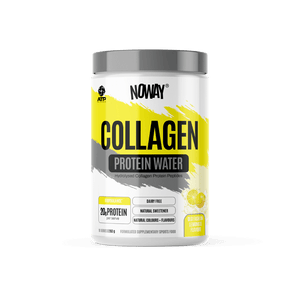









Hydrolysed collagen is collagen that has been broken down through a process called hydrolysis into much smaller chains called peptides. This makes it dissolve easily in hot or cold liquids and simple to digest, which is why most collagen powders, peptides and drinks are hydrolysed. "Hydrolysed collagen", "collagen peptides" and "collagen hydrolysate" all describe the same thing. A typical serve provides around 10g of hydrolysed collagen peptides.
Key points
- Broken into peptides. Hydrolysis snips collagen's long chains into much smaller peptides.
- Easy to mix and digest. It dissolves in hot or cold liquids and is simple to digest.
- Same thing, different names. Hydrolysed collagen, collagen peptides and collagen hydrolysate all describe the same product.
- Common serve. A typical serve provides around 10g of hydrolysed collagen peptides.
- Taken consistently. Used daily over time to support skin, hair, nails and connective tissue.
What does ‘hydrolysed’ mean?
Whole collagen is a large, tightly wound protein made of long chains of amino acids twisted into a triple helix. In that form it does not dissolve well in water and is slow to digest.
Hydrolysis uses water, heat and enzymes to snip those long chains into much shorter fragments called peptides. Nothing is added in the process - the collagen is simply cut into smaller pieces.
The result is a fine powder that disperses cleanly into liquid and breaks down readily during digestion. This is why almost every collagen powder, sachet and ready-to-drink collagen product you see is hydrolysed: it is the form that is practical to take every day.
Hydrolysed collagen vs. collagen peptides vs. collagen hydrolysate
These three terms cause a lot of confusion, but they describe the same kind of product:
Collagen peptides refers to the short amino-acid chains themselves.
Hydrolysed collagen refers to collagen that has been through hydrolysis to create those peptides.
Collagen hydrolysate is simply another name for the hydrolysed product.
On a label, all three mean a hydrolysed, easy-to-mix collagen. You will also see it sold simply as "collagen powder" or "collagen protein". They are, for practical purposes, interchangeable.
Hydrolysed collagen vs. gelatin vs. undenatured collagen
Collagen appears in a few different forms, and it helps to know where hydrolysed sits:
Hydrolysed collagen (peptides). Fully broken into small peptides. Dissolves in hot and cold liquids, does not gel, and is the standard form for a daily collagen drink.
Gelatin. Partially broken-down collagen. It dissolves in hot liquid and sets into a gel as it cools, which is why it is used in cooking (jellies, gummies, broths) rather than as a mix-in supplement.
Undenatured type II collagen. Collagen kept in its native, intact form, used in some specific joint-focused products at very small doses. It works differently from hydrolysed collagen and is a niche category.
For a daily collagen you stir into a drink to support skin, hair, nails and connective tissue, hydrolysed peptides are the practical choice.
Why bioavailability matters
"Bioavailability" means how readily your body can absorb and use a nutrient. Because hydrolysed collagen is already broken into small peptides, it is digested and absorbed efficiently, and the amino acids - especially glycine, proline and hydroxyproline - become available for the body to use.
Some marine collagen peptides are particularly low in molecular weight, which is the basis for "highly bioavailable" marketing, though any quality hydrolysed collagen is designed to absorb well. Research on oral collagen has typically used daily hydrolysed collagen over a period of weeks rather than single large doses.
How much to take and how to use it
A common serve is around 10g of hydrolysed collagen peptides a day, though products vary, so follow the directions on the label. Because collagen works gradually by topping up your intake over time, consistency matters more than the timing of each serve.
Hydrolysed collagen dissolves into hot or cold liquids, so an unflavoured powder mixes into coffee, tea, water, smoothies or oats without changing the flavour much. Flavoured options are designed to be had on their own. Some people pair collagen with a source of vitamin C, which the body uses in its own collagen formation, although a balanced diet usually covers this.
This is a supplementary product and is not intended to diagnose, treat, cure, or prevent any disease.
What hydrolysed collagen is normally used for
Used as part of a daily routine, hydrolysed collagen is commonly used to support the appearance of skin, hair and nails, and to support joints and connective tissue, since collagen is a major component of both. It also adds to everyday protein intake, particularly the amino acids glycine and proline. It is available across marine and bovine sources, and as a collagen protein powder.
Addressing common myths
"Hydrolysed means it has additives." No. Hydrolysis is a physical and enzymatic breaking-down process; nothing is added to a pure hydrolysed collagen.
"Bigger doses work faster." Collagen works over time, so a sensible daily serve taken consistently is the approach used in research, not occasional large doses.
"Hydrolysed collagen builds muscle like whey." Collagen is not a complete protein, so it is not a like-for-like swap for whey. It adds to protein intake but is used mainly for skin, hair, nails and connective tissue. See collagen peptides vs whey protein.
Nearly everything in our collagen range is hydrolysed, so this is less a feature to hunt for than a baseline to expect. What still varies is the source, and our collagen protein powders list it on every product.
FAQ
Is hydrolysed collagen the same as collagen peptides?
Yes. Hydrolysed collagen is collagen broken down into small chains called peptides, so "hydrolysed collagen" and "collagen peptides" describe the same kind of product. "Collagen hydrolysate" is another name for it.
Is hydrolyzed collagen good for you?
Hydrolysed (hydrolyzed) collagen is a convenient, easily digested way to top up your collagen intake. It is commonly used as part of a daily routine to support the appearance of skin, hair and nails, to support connective tissue, and to add to everyday protein intake. It is taken consistently over time.
What is the difference between collagen and hydrolysed collagen?
"Collagen" is the whole protein; "hydrolysed collagen" is that protein broken into small peptides so it dissolves and digests easily. Almost all collagen supplements are hydrolysed, because whole collagen does not mix well into a drink.
Is hydrolysed collagen the same as gelatin?
No. Both come from collagen, but gelatin is only partially broken down and sets into a gel when it cools, which suits cooking. Hydrolysed collagen is fully broken into peptides, dissolves in hot or cold liquid, and does not gel - which is what makes it a practical daily supplement.
How much hydrolysed collagen per day?
A common serve is around 10g of hydrolysed collagen peptides a day, but follow the directions on your product, as serving sizes vary by brand.
Does hydrolysed collagen dissolve in coffee?
Yes. Hydrolysed collagen peptides dissolve in hot and cold liquids, so an unflavoured powder mixes into coffee, tea, water or a smoothie with very little change in taste.
Is hydrolysed collagen marine or bovine?
It can be either. Both marine (fish) and bovine (cattle) collagen are usually sold in hydrolysed form. "Hydrolysed" describes how it is processed, not where it comes from. See marine vs bovine collagen.
Important: This article is general information only and is not a substitute for personalised advice from your healthcare professional.