




















Collagen powder suits some people and is a waste of money for others. Which one you are depends entirely on what you are trying to achieve.
This is a guide by goal: find yours, and get a straight answer about whether collagen helps.
Key points
- Skin goals: reasonable, give it 12 weeks.
- Joint comfort: worth trying, less certain.
- Muscle: buy whey instead.
- General protein: collagen is the wrong tool.
- It stacks fine with anything else you take.
If your goal is skin
This is the best fit, and the reason most people buy it.
The evidence for skin hydration and elasticity is the strongest in the category, from trials running 8 to 12 weeks. Expect a measurable improvement rather than a visible transformation.
What to do: take it daily, consistently, for at least three months before judging. Pair it with vitamin C, which your body needs to make collagen and which many products already include.
What matters more: sunscreen. UV exposure is the single largest driver of collagen breakdown in skin, and no supplement offsets it. If you take collagen and skip sunscreen, you are paying to lose ground more slowly.
If your goal is joint comfort
Reasonable to try, with realistic expectations.
Some trials in athletes and in people with osteoarthritis report reduced joint discomfort. The studies are small and results are not consistent, so treat it as a three-month experiment rather than a solution.
What to do: give it 12 weeks and assess honestly. If nothing has changed, stop.
What matters more: loading the joint appropriately. Strength training has far better evidence for joint health than any supplement, which is counterintuitive to a lot of people with sore knees.
If your goal is muscle
Collagen is the wrong product, and this is worth being direct about because the packaging often implies otherwise.
Collagen is not a complete protein. It is very low in tryptophan and short on leucine, the amino acid most associated with triggering muscle protein synthesis. Gram for gram it does considerably less for muscle than whey, dairy, egg or a well-formulated plant protein.
What to do instead: buy a whey protein or a plant protein. If you also want collagen for skin, take both. They are different products doing different jobs.
If your goal is hitting a protein target
Same answer. Collagen counts towards total protein grams on a label, but because of its amino acid profile it does not contribute equally towards the outcomes most people are chasing.
If you are simply trying to eat more protein, food and whey are both cheaper and more effective.
If your goal is hair and nails
The evidence here is thinner than for skin, and mostly comes from studies where hair and nails were secondary measures rather than the point.
Some people report stronger nails. It is plausible, and it is not well established. Treat it as a possible bonus rather than a reason to buy.
Worth ruling out the boring causes first: iron deficiency and low overall protein intake both affect hair and nails, and both are far more common than most people think. A blood test tells you more than a tub will.
If your goal is gut health
Widely claimed, poorly evidenced. The idea that collagen or glycine repairs the gut lining is largely extrapolated from cell studies rather than demonstrated in people.
We would rather say that plainly than sell it to you on that basis. If gut health is your goal, fibre and fermented foods have far better support.
What happens if I take it every day?
Nothing dramatic, and daily is how the trials do it.
Collagen is well tolerated at typical doses of around 10 g a day. Consistency matters more than timing or dose size: the studies that report results use it daily over months.
Some people notice mild digestive upset in the first week, which usually settles. If it does not, halve the dose.
Which foods are highest in collagen?
Collagen is in the connective tissue of animals, so:
- Bone broth. The most commonly cited, and the amount varies enormously depending on how it was made.
- Skin-on chicken, pork crackling, fish skin.
- Slow-cooked cuts with a lot of connective tissue: osso buco, oxtail, chuck.
- Gelatine. Cooked collagen, and by far the cheapest source.
There is no collagen in plant foods. What plants provide is the raw material: vitamin C, zinc and the amino acids your body uses to make its own.
Whether eating collagen beats making your own from adequate protein and vitamin C is genuinely unsettled.
What to buy
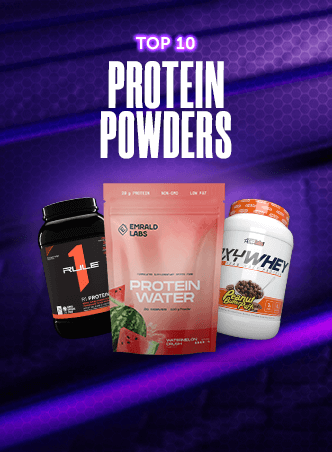
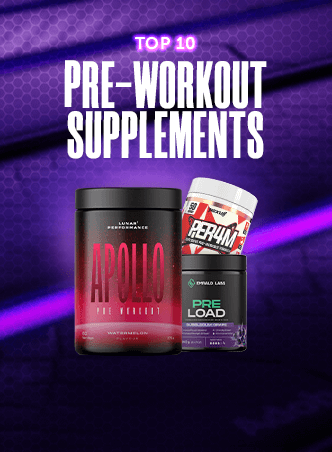
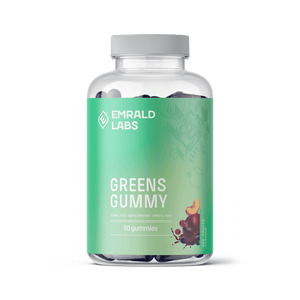
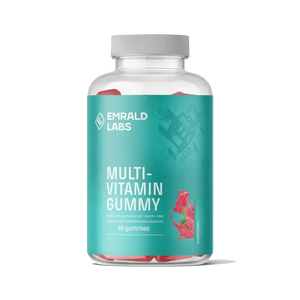
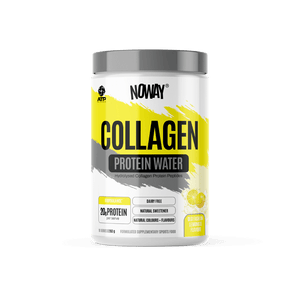
Collagen+ is our house-brand option from Emrald Labs, and Collagen Protein is the protein-water format. The full collagen range is worth comparing on grams per serve.
Where to go next
- How strong the evidence is for each claim.
- How to take it: dose, timing and mixing.
- Which one to buy.